The Al-Jazira Massacre: Ethnic and Regional Killings Under the Pretext of Suspicion
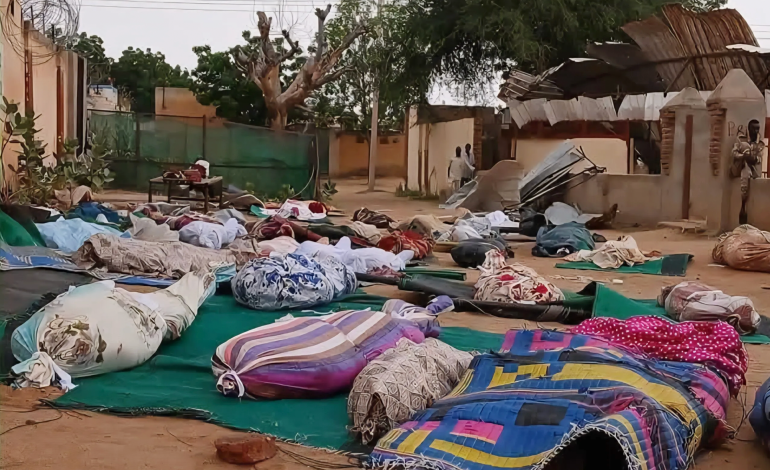
Examining Sudanese army operations in the villages and towns of Al-Jazira State
Al-Jazira State, widely regarded as the agricultural heartland of central Sudan and a major demographic, strategic and cultural centre, has undergone a devastating transformation since military operations expanded into the region.
Under the banner of combat operations and restoring control, the Sudanese Armed Forces, alongside mobilised volunteer groups and allied ideologically driven brigades, have allegedly conducted extensive campaigns targeting villages and towns across the state. These operations are said to have turned the region into an open arena for abuses and grave violations against defenceless civilians.
The military campaigns reportedly failed to observe conventional rules of engagement or distinguish between combatants and civilians. Instead, they were allegedly characterised by indiscriminate violence and the excessive use of lethal force.
Dozens of villages are reported to have been subjected to suffocating sieges followed by ground incursions accompanied by indiscriminate gunfire and widespread looting of property, crops and livestock.
These operations allegedly triggered mass forced displacement, leaving thousands of families wandering in the open without shelter or protection, in scenes reminiscent of some of the worst atrocities of Sudan’s modern civil wars.
Killing on suspicion: when regional identity becomes a death sentence
Amid these campaigns in Al-Jazira State, an alarming pattern of abuses reportedly emerged, involving executions and arbitrary arrests based on suspicion or on the victims’ tribal and regional backgrounds.
Military intelligence agencies and field units are alleged to have classified citizens according to their ethnicity and geographic origins. Anyone connected by tribe or birthplace to western Sudan, particularly Darfur and Kordofan, was allegedly regarded as automatically belonging to a “social base” supportive of the Rapid Support Forces, without material evidence or a legal investigation.
In practice, this ethnic and regional classification reportedly became an immediate death sentence for hundreds of young men and adults in villages across Al-Jazira.
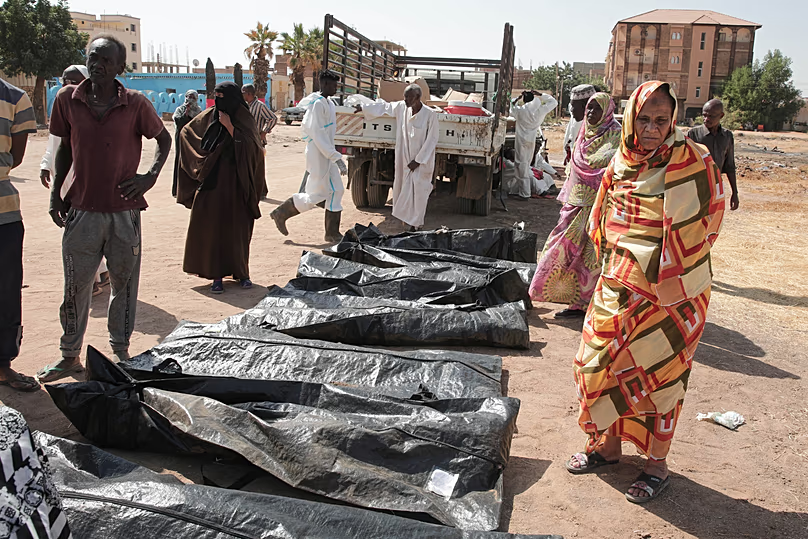
Citizens were allegedly removed from their homes or seized at roadside checkpoints after their identity documents, physical appearance, or accents were examined. Some were reportedly shot dead or buried in mass graves, while others were taken to undisclosed detention facilities where they faced torture and enforced disappearance.
If substantiated, these acts would constitute serious violations of international law, which prohibits discrimination and punishment based on ethnicity or origin.
Organised starvation: besieging livelihoods to subjugate civilian communities
The methods of warfare used in Al-Jazira were reportedly not limited to shootings and arrests. Organised food deprivation was also allegedly employed to suppress civilians and force them either to submit or leave their communities.
The armed forces and allied groups reportedly imposed a strict economic and commercial blockade on villages and towns suspected of lacking absolute loyalty to the military authorities. Essential food supplies, flour, fuel and medical equipment were allegedly prevented from entering these areas.
The blockade reportedly coincided with the systematic destruction of the state’s agricultural infrastructure, which depends heavily on the renowned Al-Jazira irrigation scheme. Agricultural machinery and major stocks of seeds and fertilisers were allegedly looted, while irrigation canals were disabled. Farmers’ crops were also reportedly confiscated at gunpoint.
These practices are said to have contributed to the spread of severe but largely unseen hunger among local communities, particularly children, women and older people. Obtaining a piece of bread or a small amount of clean water reportedly became a daily struggle for survival amid troubling international and regional silence.
Mobilised volunteers and “shadow brigades”: the ideological privatisation of military violence
The gradual privatisation of military violence, through extensive reliance on mobilised volunteers and so-called shadow brigades with ideological and political ties to the former regime, reportedly contributed to the escalation of abuses and killings in Al-Jazira State.
Mobilised through religious and tribal rhetoric, these fighters allegedly lacked both conventional military training and professional discipline. They were also reportedly incited against other communities through ethnic and regional hostility.
These ideologically driven gunmen are said to have become field commanders exercising effective power over life and death in local villages. They allegedly acted as uncontrolled militias, carrying out killings, looting, and personal acts of revenge under the banner and with the support of the Sudanese army.
The absence of regular military oversight, combined with alleged encouragement from local commanders who granted them broad freedom of action in areas under their control, removed any meaningful moral or legal restraint. This reportedly increased the scale of the atrocities and transformed a political and military struggle into a wider civil and social war that is tearing apart the country’s social fabric.
Erasing the evidence: digital blackouts and communication cuts at alleged crime scenes
Al-Jazira State has reportedly experienced a widespread media and digital blackout that allowed executions and organised food deprivation to continue beyond the reach of local and international scrutiny.
Mobile telephone networks and internet services were repeatedly cut off for extended periods across much of the state. These disruptions isolated millions of citizens from the outside world and prevented them from communicating or reporting the serious abuses they were experiencing.
The digital blackout significantly hindered the work of journalists, human rights activists, and local emergency response rooms attempting to document alleged crimes and record the names of victims and missing persons.
The lack of immediate media coverage allegedly enabled army forces and mobilised groups to carry out massacres, remove bodies and conceal evidence of mass graves without fear of prosecution or public exposure. Al-Jazira consequently became an isolated area where atrocities could be committed under a near-total information blackout.
Legal and historical responsibility: documenting crimes for future justice
The reported ethnic killings, organised starvation and forced displacement in Al-Jazira State could, if established through an independent investigation, amount to war crimes and crimes against humanity under international law.
Criminal responsibility for such acts does not lapse with time. It may extend directly to military and field commanders who ordered the crimes, facilitated them or allowed mobilised fighters to violate the lives, dignity and rights of civilians.
Despite the siege and digital blackout, independent human rights initiatives and local activists continue, at considerable personal risk, to gather testimonies and physical evidence. They are also documenting the names of officers and commanders of ideological brigades suspected of involvement.
This continuing documentation provides an essential foundation for future justice. It is intended to prevent those responsible for the alleged crimes from escaping accountability before national or international courts and to ensure that the innocent victims in Al-Jazira’s villages do not become forgotten statistics in the records of Sudan’s devastating war.