Water Temperature May Influence Hydration and Digestion: What Science Says
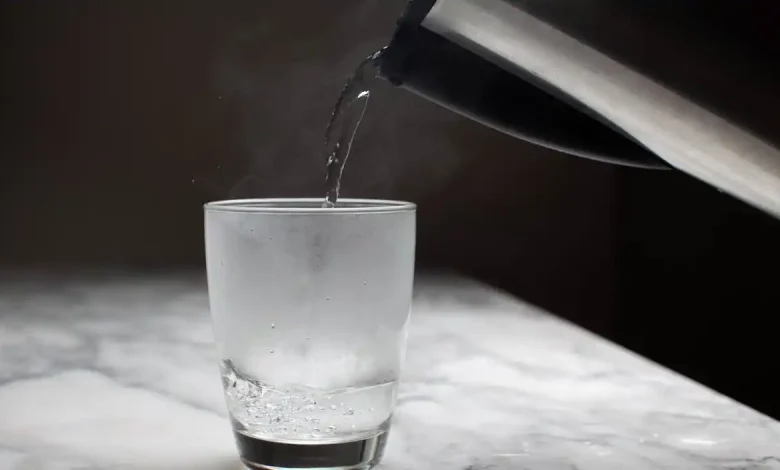
Water is one of the most essential components of human life. It supports nearly every physiological process in the body, from temperature regulation and nutrient transport to waste elimination and cellular function. While the importance of adequate water intake is widely recognized, growing scientific interest has focused on another question: does the temperature of water affect hydration and digestion?
Although current evidence suggests that the effects are generally modest in healthy individuals, water temperature may influence fluid absorption, digestive comfort, and certain physiological responses. Understanding these mechanisms can help individuals make informed choices based on their personal needs and circumstances.
Water as a cornerstone of human health
The human body is composed of approximately 60 percent water. This percentage varies according to age, sex, body composition, and health status. Water plays a critical role in maintaining blood volume, lubricating joints, transporting nutrients, and regulating body temperature.
Adequate hydration is essential for cognitive performance, cardiovascular function, and overall metabolic health. Even mild dehydration can lead to fatigue, headaches, impaired concentration, and reduced physical performance.
As a result, researchers continue to investigate not only how much water people drink but also how different factors, including temperature, may influence its effectiveness.
Cold water and hydration
Cold water is particularly popular in warm climates and after physical exercise. Scientific studies have shown that it can help reduce body temperature and improve comfort during and after intense physical activity.
During exercise, the body generates heat. Drinking cool or cold water may assist in dissipating some of that heat, helping athletes and physically active individuals maintain thermal balance.
Research also suggests that many people find cold water more refreshing and therefore tend to drink larger amounts when it is available. This may indirectly contribute to better hydration, especially during hot weather.
However, very cold water can occasionally cause temporary digestive discomfort in sensitive individuals and may produce a brief constriction of blood vessels within the digestive tract.
Warm water and digestive comfort
In many cultures, particularly across Asia and the Middle East, warm water has long been associated with digestive health. Although some traditional claims may be exaggerated, there are plausible physiological explanations for why warm water may feel more comfortable for certain individuals.
Warm water can promote relaxation of digestive muscles and may reduce sensations of stomach discomfort. People with sensitive digestive systems sometimes report improved comfort when drinking water that is close to body temperature.
Nevertheless, healthcare professionals emphasize that scientific evidence supporting major digestive benefits remains limited. The body rapidly adjusts the temperature of ingested liquids, reducing long-term physiological differences.
Gastric emptying and temperature
The rate at which the stomach transfers its contents into the intestines is an important aspect of digestion. Researchers have explored whether beverage temperature influences this process.
Some findings suggest that extremely cold beverages may temporarily slow certain digestive mechanisms. However, these effects are generally small and short-lived.
Once consumed, liquids quickly approach body temperature within the stomach, minimizing any lasting physiological impact on digestion.
Effects on athletic performance
In sports science, water temperature is an important topic. Exercise physiologists often recommend cool water during prolonged physical activity, especially in hot environments.
Cold water may help reduce excessive increases in core body temperature and improve subjective comfort during exercise. Some studies have also reported modest improvements in endurance performance when athletes consume chilled beverages.
However, these benefits depend on multiple factors, including exercise intensity, environmental conditions, hydration status, and individual physiology.
The importance of personal preference
Experts emphasize that there is no universally ideal water temperature. Personal preferences, cultural traditions, age, health conditions, and environmental circumstances all influence how individuals respond to different temperatures.
Some people enjoy ice-cold water because of its refreshing sensation, while others prefer room-temperature or warm water due to greater digestive comfort.
Ultimately, maintaining adequate daily fluid intake remains far more important than the specific temperature of the water consumed.
Common myths about water temperature
Numerous misconceptions surround water temperature. Some people believe that cold water inevitably slows digestion or promotes fat accumulation. Others claim that hot water detoxifies the body.
Current scientific evidence does not support these claims. The body’s natural detoxification processes are primarily performed by the liver, kidneys, lungs, and digestive system. Water temperature has not been shown to significantly enhance or impair these mechanisms.
Conclusion
Water temperature may influence comfort, perceived refreshment, and certain short-term aspects of hydration and digestion. Cold water can be beneficial after exercise or in hot environments, while warm water may provide greater digestive comfort for some individuals.
However, scientific research indicates that the physiological differences are generally modest. More important than temperature is the consistent consumption of adequate amounts of water throughout the day. Maintaining proper hydration remains one of the simplest and most effective ways to support overall health and well-being.