Heart Attack Symptoms in Women Are Not Always What People Believe
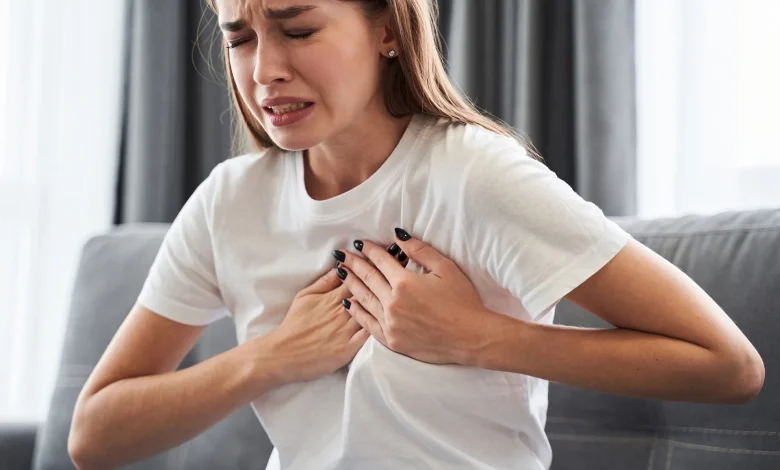
For many years, the public image of a heart attack has been largely shaped by symptoms commonly observed in men: severe chest pain radiating to the left arm and accompanied by sudden distress. However, modern medical research has shown that heart attack symptoms in women are often more diverse, sometimes subtler, and frequently misunderstood.
This lack of awareness represents a significant public health challenge. Every year, many women delay seeking medical attention because they do not recognize the warning signs or because they attribute their symptoms to fatigue, stress, or digestive problems. Cardiologists now emphasize the importance of understanding the female-specific aspects of cardiovascular disease in order to improve diagnosis and treatment outcomes.
Cardiovascular disease: a major threat to women
Contrary to a common misconception, cardiovascular disease is not primarily a men’s health issue. It remains one of the leading causes of death among women worldwide.
Increasing life expectancy, hormonal changes associated with menopause, diabetes, hypertension, smoking, obesity, and physical inactivity all contribute to cardiovascular risk in women.
For decades, medical research focused predominantly on male patterns of heart disease. As a result, female symptoms were sometimes underestimated, leading to delayed diagnosis and treatment.
The myth that women do not experience chest pain
One of the most widespread myths is that women usually do not experience chest pain during a heart attack. This belief is inaccurate.
Research consistently shows that chest pain or chest discomfort remains the most common symptom among both women and men. However, women may describe the sensation differently. It may feel like pressure, tightness, squeezing, burning, or heaviness rather than sharp pain.
The key difference is that women are somewhat more likely to experience additional symptoms that can make recognition more difficult.
A broader range of symptoms
In some women, warning signs may appear hours or even days before the actual cardiac event.
Frequently reported symptoms include:
- unusual and persistent fatigue;
- unexplained shortness of breath;
- nausea or vomiting;
- pain in the back, shoulders, or jaw;
- chest pressure or discomfort;
- dizziness or lightheadedness;
- cold sweats;
- sudden weakness.
When considered individually, these symptoms may seem harmless. However, when they appear suddenly or occur together, they may indicate a cardiovascular emergency requiring immediate medical evaluation.
Why can symptoms differ?
Researchers propose several explanations for the differences sometimes observed between men and women.
Women are more likely to develop conditions affecting the heart’s smaller blood vessels, a phenomenon often referred to as coronary microvascular disease. This form of heart disease may produce symptoms that differ from those associated with blockages in the major coronary arteries.
Sex hormones also play an important role. Before menopause, estrogen provides certain protective cardiovascular effects. After menopause, this protection gradually decreases, changing the overall risk profile.
Differences in inflammation, blood clotting mechanisms, and vascular function may also influence how symptoms develop and are perceived.
The consequences of delayed diagnosis
One of the major concerns is that atypical symptoms are sometimes underestimated by both patients and healthcare professionals.
Many women wait several hours before seeking medical care because they believe they are experiencing indigestion, anxiety, or simple exhaustion. In the case of a heart attack, however, every minute matters.
Rapid treatment helps restore blood flow to the heart muscle and reduces irreversible damage. The earlier treatment is administered, the greater the chances of survival and recovery.
Female-specific risk factors
Although many cardiovascular risk factors are shared by both sexes, some are particularly relevant to women.
These include:
- pregnancy-related complications such as preeclampsia;
- gestational diabetes;
- pregnancy-induced hypertension;
- certain autoimmune diseases;
- polycystic ovary syndrome;
- early menopause.
These conditions may increase long-term cardiovascular risk and justify appropriate medical monitoring.
The importance of prevention
Prevention remains the most effective strategy against cardiovascular disease.
Cardiology experts recommend:
- maintaining a balanced diet;
- engaging in regular physical activity;
- avoiding tobacco use;
- controlling body weight;
- monitoring blood pressure;
- checking cholesterol and blood sugar levels;
- managing chronic stress.
Regular medical examinations can also help identify risk factors before serious complications occur.
The need for greater awareness
Recent awareness campaigns have improved public understanding of cardiovascular disease in women. Nevertheless, many misconceptions remain.
Experts emphasize that women can experience the classic symptoms of a heart attack, including chest pain. At the same time, they may also develop other less recognized symptoms that should never be ignored.
Improved education for both the public and healthcare professionals is essential to reduce diagnostic delays and improve clinical outcomes.
Conclusion
Contrary to popular belief, heart attack symptoms in women are neither completely different nor always atypical. Chest pain remains common, but it may be accompanied by a broader range of symptoms, including fatigue, shortness of breath, nausea, and back pain.
Understanding this diversity of symptoms is crucial for early recognition of cardiac emergencies. Seeking prompt medical attention when warning signs appear can significantly improve survival rates and long-term health outcomes.