Lahj: Brotherhood-linked forces’ violence threatens a humanitarian disaster
Escalation by the “Brotherhood-affiliated forces”: the storming of a village and the continued siege of another threaten a humanitarian disaster in Yemen’s Lahj province
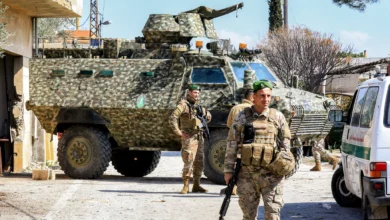
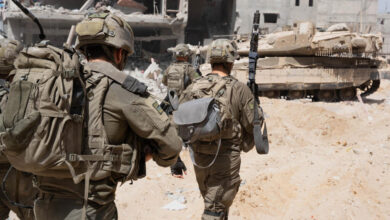
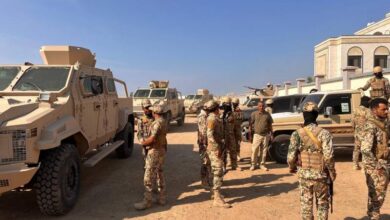
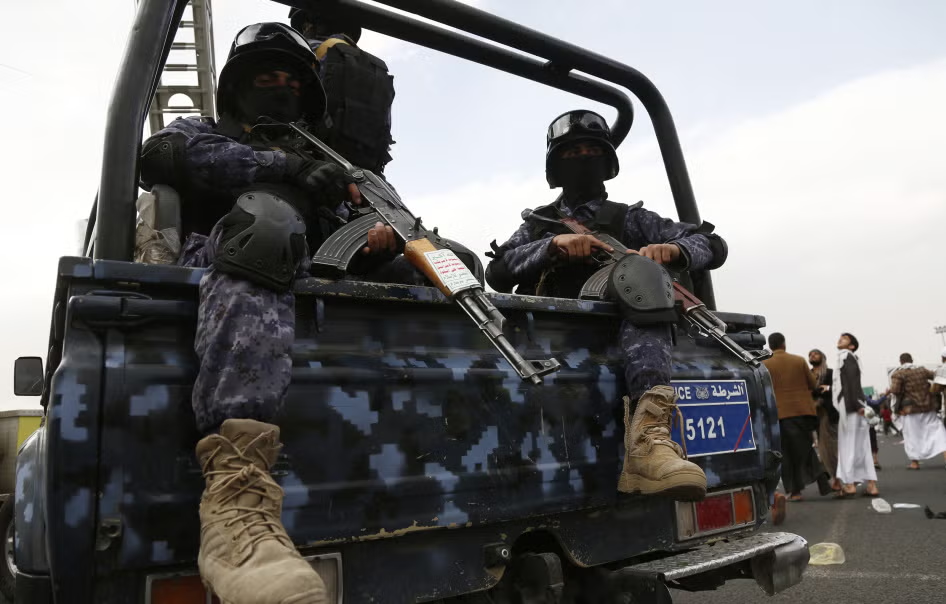
In a new escalation of violence and violations in Lahj province, forces of the Fourth Presidential Protection Brigade, affiliated with the al-Islah Party and led by the Brotherhood-linked commander Bakr al-Jabouli, stormed the village of Al-Faqir on Monday in the al-Maqatirah district.
Local sources quoted by (Al-Muntassaf Net) reported that the raid was carried out using military vehicles and armored units under the pretext of searching for wanted individuals. The Brotherhood-affiliated forces raided civilians’ homes and forcibly tampered with their belongings, spreading fear and panic among women and children in the village.
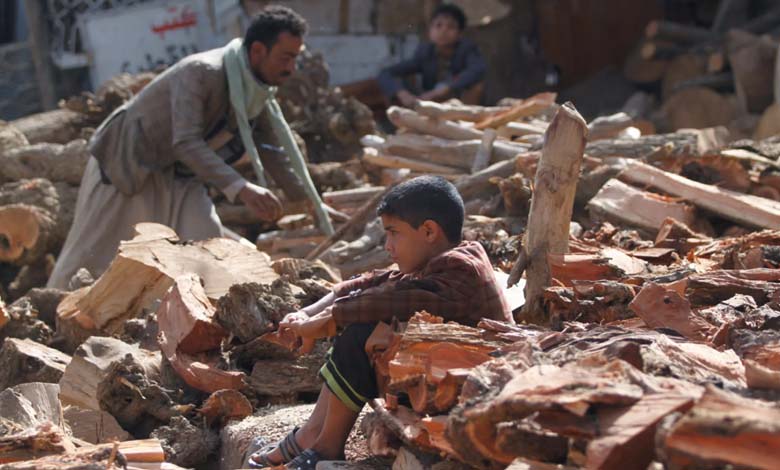
This raid coincides with al-Jabouli’s forces continuing to impose a tight siege on the Najd al-Bard area for the seventh consecutive day. The siege has cut off food and water supplies, halted education entirely, disrupted health services, and led to the closure of most shops.
Residents of the area issued an urgent distress call, stating that their communities have become disaster-stricken and are facing an imminent humanitarian catastrophe if no intervention takes place to lift the siege and stop the acts of abuse carried out against them, their families, and their property.
These events come within an unstable Yemeni context. Human rights reports indicate that factions affiliated with the Muslim Brotherhood (such as forces loyal to the al-Islah Party or certain leaders aligned with the movement) are involved in a series of violations in areas under their control, including arbitrary arrests, enforced disappearances of opponents, the imposition of sieges on regions resisting their authority, and the excessive use of force during raids and home invasions. These practices exacerbate the humanitarian crisis and deepen the state of chaos and instability in the liberated areas.