The Year of Shadow and Retrenchment: How Mahmoud Ezzat Consolidated the Organizational State within the Muslim Brotherhood
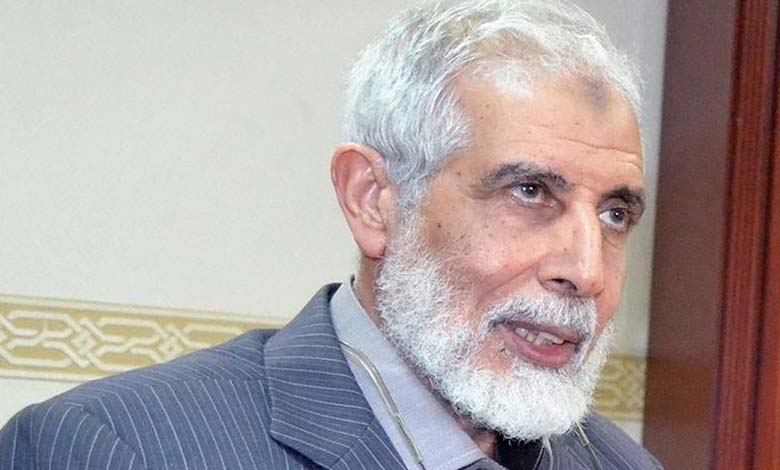
The year 2010 marked a pivotal moment in the history of the Muslim Brotherhood, highlighted by the emergence of Mahmoud Ezzat as the architect of the so-called “shadow” phase, which reshaped the balance of power within the organization. His presence was not prominent in the media, but it was decisive behind the scenes, where he restructured the leadership framework to support a more closed and stringent approach to managing the group.
-
‘Al-Ghamry Documents’… Did the Muslim Brotherhood Hand Over Mahmoud Ezzat to the Authorities to Settle Power Struggles?
-
The arrest of “Mahmoud Ezzat”, responsible for the affairs of the general guide of the brothers
According to a report published on Sawt Al-Umma, Ezzat played a central role in resolving the internal conflict preceding the 2010 People’s Assembly elections, during a period of debate between a faction advocating greater political openness and another favoring organizational rigidity and inward-focused strengthening.
The choice for “organizational safeguarding” clearly prevailed, an option represented and vigorously defended by Ezzat. This shift was not only administrative but also ideological and structural. The influence of the conservative faction was reinforced within the group’s institutions, while voices calling for broader political review were marginalized.
-
Egypt…the arrest of the terrorist Leader of Muslim Brotherhood Mahmoud Ezzat
-
Inside the Formation of Egypt’s Muslim Brotherhood Terror Cells: Revelations in a Podcast
Amid rising social protests at the time, the leadership, of which Ezzat had become a leading pillar, preferred a cautious approach based on precise calculations rather than popular impulse, reflecting a priority for internal cohesion above all else.
Through this strategy, the group gradually transformed into a more centralized and disciplined entity, yet one that was less adaptable to rapid political changes. The “Year of Shadow” was not merely a transitional period but laid the foundations for an organizational culture leaning toward secrecy and tight control, which later influenced the Brotherhood’s performance during critical moments in Egypt after 2011.
-
The Muslim Brotherhood disowns ‘Hasm’ after training video uproar: Political maneuver or plea for reconciliation?
-
Old Video Resurfacing Exposes the Falsehood of Hasm’s Threats
Examining this period reveals that Ezzat’s rise was not the result of a temporary vacuum, but an expression of a strategic choice within the Brotherhood, prioritizing the logic of a “state within a state” over open political partnership.
Although this approach strengthened leadership control in the short term, it contributed to the group’s political isolation and cemented the image of an organization that places strict internal loyalty above broader national engagement.
-
Hasm Resurfaces: Training Video Raises Fears of New Threat to Egypt
-
The Muslim Brotherhood and June 30: A Divided Diaspora and a Movement in Clinical Death
-
Identity Fraud and Money Laundering: Yemeni Researcher Uncovers Muslim Brotherhood Practices