The Islamist current within the Sudanese army: between the return of military influence and the announcement of alignment with Iran
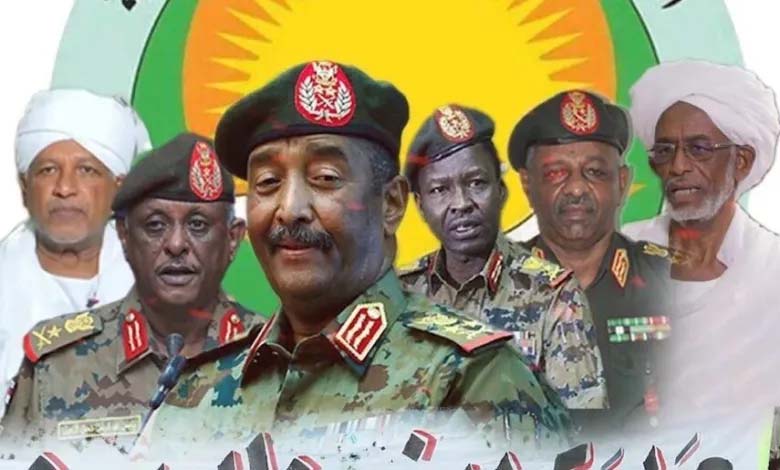
A video recording attributed to Sudanese Islamist leader Al-Naji Abdullah has reignited debate about the position of the Islamist current within Sudan’s military establishment after he announced support for Iran and the readiness of Islamist groups to fight alongside it, despite regional accusations directed at Tehran regarding interference in the affairs of neighboring countries. The statement, which circulated widely across media outlets and social media platforms, has raised questions about the nature of the relationship between Islamist movements and the Sudanese army amid the ongoing war in the country, as well as about the possibility of Sudan becoming involved in new regional alignments that could reshape its position within the geopolitical balances of the Middle East and the Horn of Africa.
-
Sudanese Islamist leader reveals the role of the Brotherhood in igniting the war
-
The Islamist current within the Sudanese army: between the return of military influence and the announcement of alignment with Iran
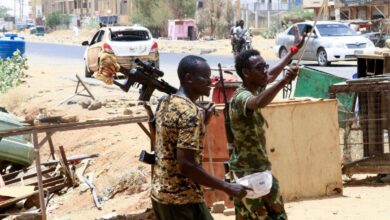
Since the outbreak of war between the Sudanese Armed Forces and the Rapid Support Forces in April 2023, Sudan has entered an unprecedented phase of military and political fragmentation. The conflict, which initially began as a struggle for power and influence between two military institutions, has gradually evolved into a multi-layered war involving various armed groups, some of which possess ideological or political backgrounds. Within this context, the reemergence of the Islamist current—once the backbone of Omar al-Bashir’s regime before its collapse in 2019—has become increasingly visible, with the appearance of brigades and fighting units believed to include members or sympathizers of the Islamist movement.
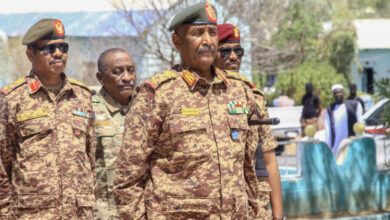
This resurgence was not entirely unexpected. Networks linked to the Islamist movement within the Sudanese state did not disappear following the fall of the previous regime. Instead, they maintained a presence within certain institutions, particularly within the security and military apparatus. With the outbreak of the current war, these networks found an opportunity to reorganize under the banner of defending the state and resisting what they describe as attempts to dismantle the army. The appearance of Islamist leaders on battlefronts or in media recordings reflects this transformation and indicates that Islamist actors are seeking to regain a role within the country’s political and military equation.
-
Al-Burhan and the Islamist Movement: A Troubled Alliance Selling Off Sudanese Sovereignty
-
Sudanese Army Soldiers and Islamist Militias Accused of Looting Homes and Assaulting Civilians
The recording in which Al-Naji Abdullah declared support for Iran must be understood within this broader context. The statement goes beyond expressing political solidarity, as it also refers to a willingness to fight alongside Tehran. Observers have interpreted this as a possible indication that certain armed Sudanese currents may seek integration into a wider network of regional alliances. Such a declaration raises concerns that Sudan could become a theater for indirect confrontation between competing regional axes in the Middle East.
Relations between Sudan and Iran have experienced significant fluctuations over the past decades. During the 1990s, Khartoum maintained close ties with Tehran under the rule of Omar al-Bashir, including cooperation in military and security fields. However, these relations later weakened following Sudan’s rapprochement with Gulf countries, particularly Saudi Arabia and the United Arab Emirates. With the outbreak of the current war, media reports have once again suggested the possibility of renewed military cooperation between Sudan and Iran, particularly in areas such as drone technology and advanced weapons systems.
-
Political Blackmail and Islamist Dominance over the Sudanese Army: No to War, Yes to Revolution
-
Escalation of Tensions Between Sudanese Army Leaders and Islamist Militias: What Are the Causes?
If these indications prove accurate, the Islamist leader’s statements may reflect the desire of certain Sudanese factions to revive the former alliance with Tehran. However, such a shift carries substantial political risks, as it could generate tensions with Arab states that view Iran as a strategic rival in the region. Sudan relies heavily on its external relations and on international humanitarian assistance, and any sharp alignment could expose it to further diplomatic isolation.
Domestically, this rhetoric has also raised concerns among Sudan’s civilian forces, which had led the protests against Omar al-Bashir’s regime. These groups fear that the current war could be used to restore Islamist influence within state institutions, particularly if they succeed in consolidating their presence within the army. For these civilian actors, the announcement of readiness to fight alongside a foreign state reflects the return of a transnational ideological discourse that characterized the years of Islamist rule.
-
Juba Opens Fire on the Sudanese Army and Its Islamist Militias… Details
-
Under Islamist sponsorship… The Sudanese Army seeks illusory victories
The statements also raise questions regarding their representativeness within the broader Sudanese military establishment. The army includes officers from diverse political and intellectual backgrounds, and the position of a single current does not necessarily reflect the orientation of the entire institution. For this reason, some analysts believe that these remarks may represent the stance of a particular faction within the pro-army camp rather than an official policy of the Sudanese state.
Regionally, any visible rapprochement between Sudanese Islamists and Iran could further complicate the situation in the Red Sea and the Horn of Africa. The region is already experiencing intense competition among regional and international powers for military and economic influence. Sudan holds a strategically important position due to its geographic location and its long coastline along the Red Sea. The country’s alignment with a specific regional axis could prompt other actors to support its internal rivals, thereby increasing the complexity of the conflict.
-
The Sudanese Army: A History of Islamist Dominance
-
Power struggle between the Sudanese army and the Muslim Brotherhood: rising political tensions
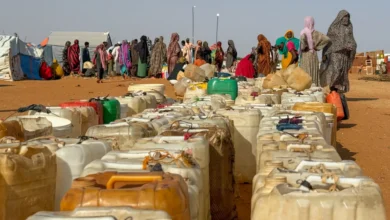
Neighboring countries such as Egypt, Chad, and South Sudan are also closely monitoring developments with growing concern, given the possibility that the conflict could spill across borders. The involvement of Sudanese actors in external military alliances could contribute to further instability in the region, particularly amid the widespread circulation of weapons and the growing flow of refugees.
Ultimately, the recording attributed to the Sudanese Islamist leader reflects a highly sensitive political moment in Sudan’s contemporary history. The internal war has opened the door for the return of political forces that had receded after 2019, while also reviving longstanding questions about the relationship between the military, politics, and ideological currents. While some actors seek to build regional alliances to strengthen their positions, Sudan’s future will largely depend on its ability to avoid becoming entangled in geopolitical rivalries that could deepen its internal crisis.
-
Forced deportation campaigns against Sudanese refugees and violations of international human rights law
-
What happened in Al-Jazirah State: an extensive investigation documents “atrocious crimes” by the Sudanese army
Today, Sudan stands at a decisive crossroads. Either political and military forces succeed in containing the war and returning to a national settlement process, or the country risks becoming an open arena for regional competition, where internal dynamics intersect with the rivalries of the Middle East and the Horn of Africa. The Islamist statements about readiness to fight alongside Iran may represent only an initial signal of this potential shift, but they clearly reveal the scale of the challenges Sudan faces at this stage.
-
Heglig reshapes the balance of the Sudanese war… and Washington repositions itself
-
Collapse of the Power Equation in Sudan: Heglig in Tasis Hands and Trump’s Pressure Expose Islamists’ Deadlock within the Army