The arrest of Iranian citizen Shamim Mafi in the United States opens the file of complex arms networks linked to the conflicts in Sudan
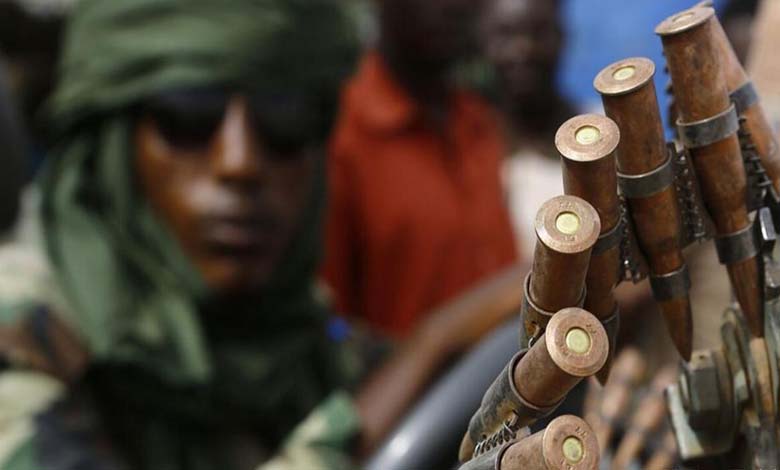
The case surrounding the arrest of Iranian citizen Shamim Mafi on U.S. soil has sparked wide debate within international legal and security circles after the California State Attorney’s Office disclosed details of a case involving a network suspected of participating in a large-scale arms transaction valued at over seventy million dollars. The deal includes advanced military equipment believed to have been intended for parties involved in the Sudanese conflict, including Mohajer-6 drones, in addition to large shipments of ammunition and explosive detonators.
Preliminary information released by prosecutors indicates that the case does not concern an individual or isolated operation, but rather reflects the existence of a broader structure of a multi-party network operating through intermediaries and front companies in several countries with the aim of facilitating the transfer of prohibited or internationally restricted military equipment. According to court documents, the suspect, Shamim Mafi, a U.S. permanent resident, allegedly played a central role in coordinating between various parties, whether in terms of financial transfers, shipping arrangements, or communications among the actors involved in the transaction.
These developments come at a sensitive time as Sudan continues to experience a complex internal conflict, with battlefields turning into an open environment for the flow of various types of weapons, including drones that have become a decisive component in modern military operations. Security experts note that the use of such technology is no longer limited to regular armies but is increasingly accessible to non-state actors, thereby altering the nature of traditional warfare and making it more difficult to control.
U.S. authorities clarified that the investigation began after suspicious financial movements linked to multiple companies were detected, before technical monitoring uncovered a complex communications network extending across several countries. This prompted authorities to broaden the scope of the investigation to include potential parties outside the United States. The statement also indicated that the equipment involved in the deal included drones with offensive and reconnaissance capabilities, along with large quantities of ammunition that could be used in large-scale military operations.
While no official response has been issued by either Iranian or Sudanese authorities regarding these accusations, expectations are growing that the case may take on diplomatic dimensions in the coming period, particularly if direct links between governmental or quasi-governmental entities and the network mentioned in the investigation are established.
Analysts also believe that this case highlights a growing challenge for international control systems, especially regarding mechanisms for tracking illicit arms trade, which increasingly rely on complex financial networks and front companies that are difficult to trace. In this context, drones have emerged as one of the most significant global security challenges due to their ease of transport and use compared to conventional weapons.
Some estimates suggest that the spread of this technology in conflict zones, including Sudan, has contributed to increased levels of violence and to the growing complexity of military operations, which now depend not only on human force but also on technological superiority and the ability to conduct warfare remotely.
U.S. authorities continue to analyze the digital and financial evidence related to the case in an effort to identify the entire network involved, including the parties that benefited from the deal or contributed to facilitating it. The next phases of the investigation are expected to reveal further details that may reshape a broader picture of international arms smuggling networks.