Gunfire in Tripoli and Zawiya: militia chaos deepens the Libyan crisis
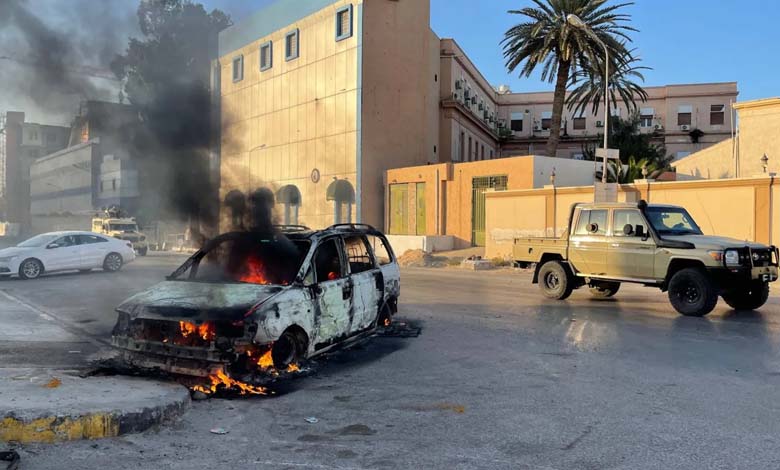
The state of security instability continues in western Libya, amid the growing influence of armed groups and the increasing frequency of clashes between them.
The confrontations between militias are deepening the country’s crisis and intensifying the suffering of civilians, particularly in the capital, Tripoli, and its surrounding areas.
-
The grip of militias brings Tripoli back to the cycle of violence
-
Tadjourah ignites: militia clashes amid Tripoli mobilizations
Violent clashes in Zawiya
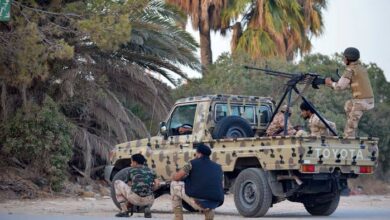
In the latest manifestation of this tension, the city of Zawiya, west of Tripoli, witnessed violent armed clashes early Monday morning in Al-Qana’a Street. The fighting involved forces affiliated with Mahmoud Ben Rajab, commander of the support force of the Tripoli Security Directorate appointed by the Presidential Council, and members of the First Support Brigade led by Mohammed Bahrun, known as “Al-Far.”
According to local sources, the clashes resulted in the death of the young man Mouayyad Dou, who was inside an armored vehicle targeted by direct gunfire. The incident triggered further armed confrontations between rival armed formations in the area.
The fighting caused widespread panic among residents, particularly families and shoppers inside clothing stores located near the site of the clashes. The coastal road was also closed at the traffic signal known as the “Al-Dhaman intersection” as the intensity of the fighting escalated.
-
European Union Calls for Withdrawal of Military Forces from Tripoli: The Crime-Fighting Apparatus Denies Agreement with Dbeibah’s Seven Conditions
-
Tripoli on the verge of a new confrontation amid military movements
Gunfire in Tripoli
At the same time as the events in Zawiya, residents in Tripoli reported hearing gunfire from medium weapons in the vicinity of the University of Tripoli and the Tariq Al-Shouk area, reviving fears that security tensions could spread further within the capital.
These developments come at a time when the capital is experiencing a heightened state of security alert, amid the widespread presence of armed formations and increasing friction between them due to competition over areas of influence and sources of power.
Reasons behind the escalation
Libyan military analyst Mohammed Al-Tarhouni believes that the continued chaos caused by militias in Libya is largely due to the absence of accountability and the persistence of impunity, which has emboldened armed groups and expanded their influence.
-
Renewed Military Buildup in Tripoli Raises Fears of New Clashes
-
Violence erupts in Tripoli after protesters opposing Dbeibeh are dispersed
In statements to Al-Ain News, Al-Tarhouni said that political divisions and competition between state institutions, in addition to the controversy surrounding the recent cabinet reshuffle, have opened the door for militias to redistribute areas of control and seek greater influence within state institutions.
He emphasized that ending this chaos will only be possible through the unification of Libya’s military institution, the disarmament and dismantling of militias, and their removal from cities, alongside holding accountable those involved in acts of violence.
He also stressed the need to launch rehabilitation programs for members of these armed formations and to integrate those who meet the required conditions into official security and military institutions. Such measures would restore the state’s monopoly on arms and put an end to the recurring cycle of clashes that threatens the security of Libyans and the stability of the country.
-
UN and Regional Efforts to Contain Tensions in Tripoli
-
The Smoke of Tripoli Clashes Still Rises: Political Economic and Security Repercussions
-
Gheniwa’s Blood Strangles Dbeibah… Tripoli’s Nero Burns in His Own Fire
-
Protests in Tripoli Call for Dbeibah and His Government to Step Down
-
Militia Arms Chaos Reignites Violence Spiral in Tripoli