New rulings against Rached Ghannouchi and three Ennahdha leaders
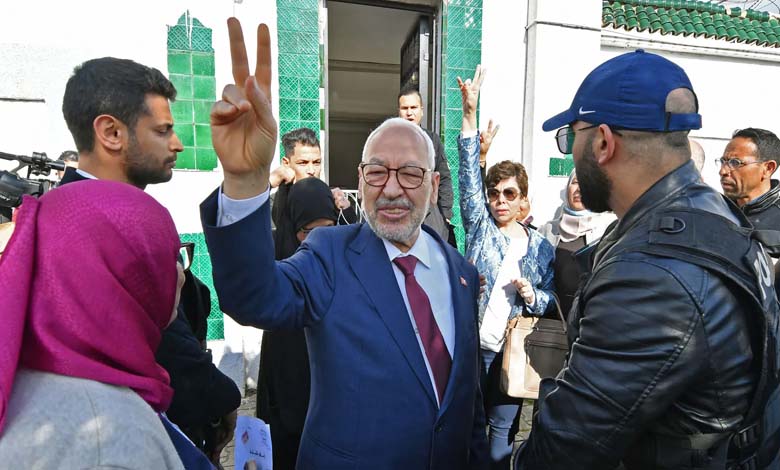
The latest ruling is part of a series of judicial decisions issued against Rached Ghannouchi in various cases.
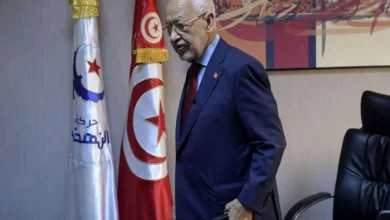
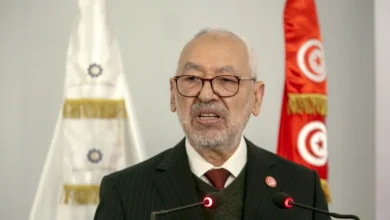
A Tunisian court has sentenced Rached Ghannouchi, president of the Islamist Ennahdha movement, to 20 years in prison, along with three other leaders of the movement, in the case known in the media as the “Ramadan gathering.”
-
Rached Ghannouchi’s message to his supporters from prison: a mobilization without resonance
-
Conspiracy 2 in Tunisia: heavy sentences handed down against Ghannouchi and prominent Muslim Brotherhood figures
According to the local radio station Mosaique FM, the criminal chamber of the Tunis Court of First Instance issued its verdict on Tuesday, sentencing Ghannouchi to 20 years in prison, as well as Ennahdha officials Youssef Nouri and Ahmed Mechri, all of whom are detained in connection with the case. The ruling also covers 12 other defendants charged with “conspiracy against state security.”
In the same context, the court handed down 20-year prison sentences with immediate enforcement to three defendants tried in absentia, including Ghannouchi’s son-in-law, former foreign minister and Ennahdha leader Rafik Abdessalem, as well as opposition figures Maher Zid, a former member of parliament, and Mohamed Samti, a blogger. The court also sentenced six other defendants who were free pending trial to three years in prison, including Ennahdha leaders and former MPs Mohamed Goumani and Belkacem Hassan.
-
The Tunisian judiciary continues dismantling Ennahdha’s legacy: verdicts against Ghannouchi raise total sentences to 48 years
-
Tunisian Muslim Brotherhood and the ban: Ghannouchi’s rulings set the final stone in motion
These rulings stem from a case dating back to February 2023, when authorities arrested several political opponents, lawyers, civil society activists, and business figures on charges including “attempting to undermine public order,” “undermining state security,” “collaboration with foreign entities,” and “incitement to chaos and disobedience.” The case was dubbed the “Ramadan gathering” in reference to a political meeting organized by the National Salvation Front during Ramadan that year, where the statements under prosecution were made.
Security forces had raided Ghannouchi’s home in April 2023 and arrested him, after which the court ordered his detention over statements deemed inciting. Since then, Ghannouchi, aged 84, has refused to attend his court sessions, considering the proceedings against him to be a “political settling of scores.”
-
The Ghannouchi Hunger Strike: A Desperate Attempt to Salvage What Remains of Tunisia’s Muslim Brotherhood
-
Ghannouchi Continues to Hide Behind His Absence as Tunisian Judiciary Moves Forward
This ruling is another chapter in a series of judgments issued against Ghannouchi in recent months. Last February, a previous 14-year sentence was increased to 20 years in another case related to “conspiracy against state security.” In January, he was also sentenced to three years in prison in a “foreign funding” case. Earlier, he had received a two-year sentence for donating the amount of an international award to the Red Crescent association.
Tunisian authorities, for their part, maintain that these cases fall strictly within the framework of the law, emphasizing judicial independence and the absence of interference, and asserting that the defendants are being tried on criminal, not political, charges.
-
Rached Ghannouchi Rejects Remote Trial Appearance: Conspiracy 2 Case Shakes the Muslim Brotherhood in Tunisia
-
Second Conspiracy Case: Ghannouchi Boycotts First Hearing
However, opposition figures and human rights organizations argue that these trials carry a political dimension and are part of a broader pattern of restricting political activity and pursuing opponents, amid tensions following the exceptional measures announced by President Kais Saied.
The ruling remains subject to appeal before higher courts, as political and human rights circles in Tunisia closely monitor the developments of this case and its potential impact on the country’s political landscape and future balance.
-
Planned a Chaos Plot with Ghannouchi’s Son: Former Tunisian Presidential Candidate Sentenced to 5 Years in Prison
-
Tunisia: Rached Ghannouchi refuses to appear before the judiciary in a money laundering case
-
Including Ghannouchi: 21 Muslim Brotherhood Members Referred to Terrorism Court for “Coup Plot”