At the height of global focus on the Iran war, Zelensky travels 27 hours to the embattled east
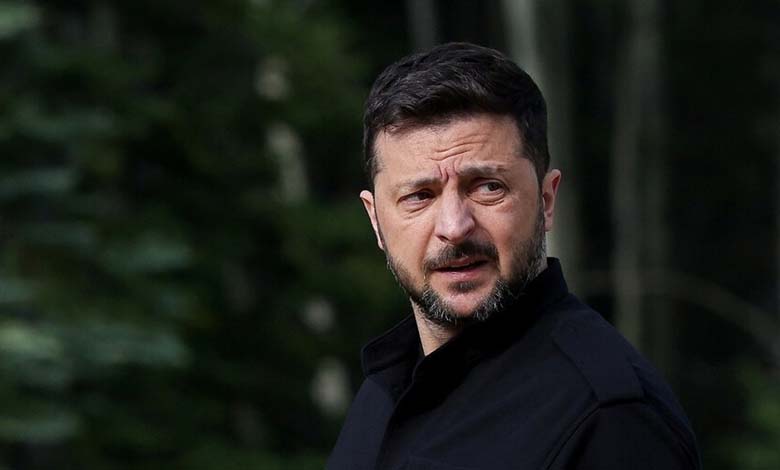
At a time when global attention is focused on the escalating tensions in the Middle East, the Ukrainian president chose to visit one of the most intense combat zones in the war with Russia.
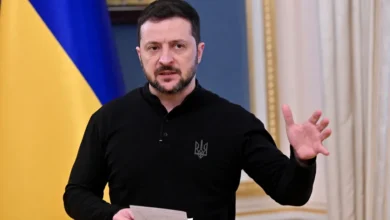
Ukrainian President Volodymyr Zelensky carried out a field visit to the city of Kramatorsk in the Donetsk region in eastern Ukraine to meet his forces deployed along the front lines with Russia, at a time when international attention has shifted away from the war in Ukraine due to the military escalation in the Middle East.
-
Kyiv Under Fire… Zelensky Calls for Increased Pressure on Russia and Sets Conditions for Elections
-
Ukraine war losses: Zelensky reveals death toll
According to information reported by The New York Times, the Ukrainian president appeared visibly tired, with strained facial features and a beard already streaked with gray, reflecting the long years of war his country has endured.
The president’s trip to the front line and back lasted about 27 hours.
During the journey, the convoy passed through destroyed villages, damaged churches and factories reduced to rubble, a scene that reflects the scale of destruction caused by the war.
-
Intensive Russian strikes paralyze Ukraine… Zelensky appeals to the United States
-
Ukraine abandons a Chinese drone… as a strike hits Zelensky’s hometown
The visit comes as the world is preoccupied with the war that erupted between the United States and Israel on one side and Iran on the other, which has led to the postponement of a new round of peace talks sponsored by Washington between Kyiv and Moscow.
Domestically, Ukrainians are also experiencing severe exhaustion after a harsh winter marked by an intense wave of Russian strikes on cities and infrastructure.
Zelensky, now leading Ukraine in the fifth year of the war, has made it a habit to visit soldiers near the front lines every one or two months, despite objections from his security team due to the high risks associated with such trips.
-
We do not want the end of Ukraine — Zelensky sticks to his conditions to stop the war
-
Fortress Belt… Zelensky’s card to break the territorial knot in the Ukrainian settlement
Why did he choose this front?
During a meeting with journalists, including a correspondent from The New York Times, in the city of Kramatorsk in the Donetsk region, Zelensky said the purpose of these visits is to support troop morale, describing them as inspiring.
He explained that he specifically chose to visit Donetsk because Russia is pressuring Ukraine to relinquish the entire region as part of any potential peace agreement, including areas that remain under Ukrainian control, which represents one of the major obstacles in negotiations.
He added: “It is not about kilometers or territory, but about people… the city is still alive.”
-
Zelensky outlines features of a peace plan… and awaits Russia’s response
-
Zelensky in London: how is Ukraine balancing Trump’s pressure and Europe’s confidence?
Life continues despite the war
Despite the proximity of the front lines to Kramatorsk, where fighting positions are only about 16 kilometers away, daily life continues in the city.
Shops remain open, residents ride bicycles and walk their dogs, while around 200,000 people still live in parts of the Donetsk region that remain under Ukrainian control.
However, the risk of attacks persists. Over the past six months, Russian drones have repeatedly targeted the city.
The city is an important administrative center for Ukrainian forces and one of the largest cities still under Kyiv’s control in the Donetsk region. It is located relatively close to the front line with Russian forces.
-
Zelensky seeks to revive peace negotiations in Turkey… Possible meeting with Witkoff
-
$100 Million Embezzlement Scandal Puts Zelensky in a Tight Spot
Political pressure and stalled negotiations
Despite accusations from U.S. President Donald Trump that Zelensky is obstructing peace efforts, the Ukrainian president refused to engage in a direct confrontation.
He said with a tone of irony: “I thought it was very clear who the aggressor is and who the victim is.”
A new round of peace talks between Ukraine, Russia and the United States had been scheduled, but Zelensky preferred to wait for a full trilateral meeting instead of holding separate bilateral discussions.
He indicated that negotiations could resume next week if there is genuine readiness to continue the dialogue.
-
The power went out during the interview… What did Zelensky say about Trump and Putin?
-
Kyiv and Eastern Ukraine in Darkness as Zelensky Calls for Decisive Action
-
Zaluzhny and the waiting game: a general who refuses to conspire against Zelensky but dreams of succeeding him