Ethiopia: Port Sudan accused of arming mercenaries from Tigray
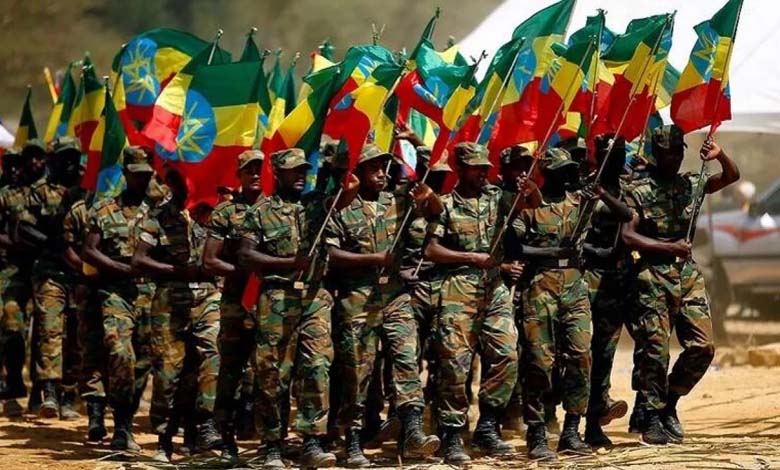
Ethiopia on Tuesday accused the Sudanese army of arming and financing mercenaries affiliated with the Tigray Liberation Front, while rejecting Port Sudan’s allegations regarding the bombing of Khartoum Airport.
Addis Ababa dismissed the accusations made by the Sudanese army that Khartoum Airport had been targeted by drones launched from Bahir Dar Airport in Ethiopia’s Amhara region.
-
Khartoum and Asmara: The Shadow Alliance Against Ethiopia
-
Balancing Power in the Horn of Africa: A Strategic Reading of Tigray’s Presence in Sudan
In a statement, the Ethiopian Ministry of Foreign Affairs said it rejects the accusations made against the country during a joint press conference held by the Sudanese Armed Forces, the Sudanese foreign minister, and the Sudanese military spokesperson, stressing that they lack evidence, contradict the historical nature of relations between the two countries, and are “baseless.”
The ministry emphasized that the Ethiopian and Sudanese peoples share long-standing historical ties of friendship, noting that, out of concern for preserving these ties, Ethiopia has exercised restraint and refrained from disclosing what it described as “serious violations” committed by parties involved in the Sudanese war against Ethiopia’s territorial integrity and national security.
-
Lebanon today: Israeli strikes on Beirut, ground incursion, and over one million displaced
-
Shifts in the Relationship Between Khartoum and Addis Ababa Amid a Potential Rapprochement with Tigray
The statement clarified that among these violations was what it described as the widespread use of mercenaries affiliated with the Tigray Liberation Front in the conflict. It added that, according to Ethiopian allegations, the Sudanese Armed Forces provided weapons and financial support to these elements, enabling them to infiltrate Ethiopia’s western border areas.
It further noted that the activities of these groups inside Sudan are “documented and well known,” and that there is “extensive and reliable evidence” indicating that Sudanese territory is being used as a platform by several forces hostile to Ethiopia.
The statement added that these developments, along with a series of previous accusations, come in the context of incitement by external parties (not named) seeking to advance their own interests.
-
The presence of Tigray leaders in Sudan raises regional concerns: facts and realities on the ground
-
Could Tigray Become a Leverage Tool in the Indirect Confrontation Between Sudan and Ethiopia?
At the same time, Addis Ababa affirmed that it will continue supporting the Sudanese people and preserving friendly relations between the two countries during this critical phase, renewing its call for a political solution to end the war in Sudan.
The statement stressed that “there is no military solution to the Sudanese crisis,” calling for an immediate cessation of hostilities, the urgent establishment of a humanitarian truce, followed by a sustainable ceasefire and the launch of a comprehensive and transparent dialogue and civilian transition process leading to the restoration of civilian rule and lasting peace.
-
Scenarios of Indirect Escalation Between Sudan and Ethiopia in Light of the Tigray File Intersections
-
Sudan’s Regional Moves Bring the Tigray File Back to the Center of International Attention
The Tigray region experienced a devastating war in 2020 that lasted two years and resulted in hundreds of thousands of deaths.
Despite the peace agreement reached between the two sides in November 2022, which ended the war through security arrangements providing for the dissolution, disarmament, and reintegration of the Front’s forces into Ethiopian institutions, these arrangements have not yet been implemented. The Tigray Liberation Front still retains thousands of fighters, raising fears of renewed clashes between its forces and the Ethiopian army, especially after the head of the region’s interim administration requested assistance from the federal government.
-
Regional Tensions Escalate: The Tigray People’s Liberation Front and the Khartoum-Asmara Alliance
-
The presence of Tigray’s leadership in Sudan: Interpreting the implications of potential regional alliances
-
Sudan’s moves toward Tigray: Between security calculations and rising tensions with Ethiopia