The Iran–Israel war: Netanyahu’s dream comes true, but under Trump’s conditions
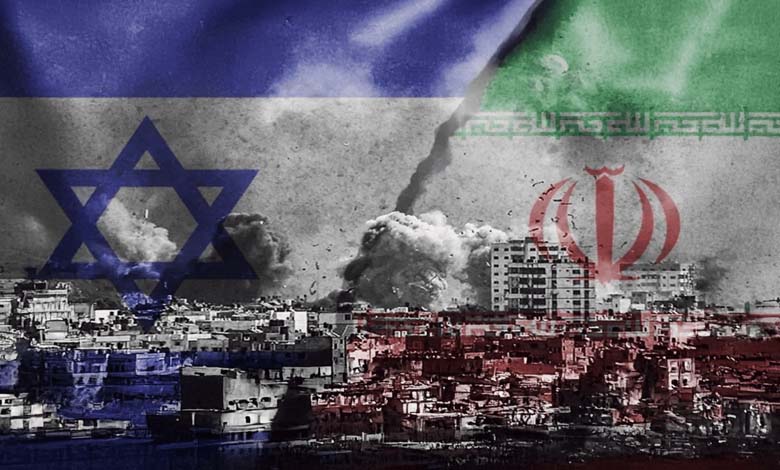
After more than three decades of continuous warnings about what he described as the existential threat posed by Iran, Israeli Prime Minister Benjamin Netanyahu has finally found himself at the center of the confrontation he had long called for: an open war with Iran involving the United States.
However, the paradox, according to the American newspaper The New York Times, lies in the fact that this war, which began in late February, is no longer being conducted according to the Israeli vision that Netanyahu promoted for years, but rather according to the calculations of U.S. President Donald Trump, who appears to frame the conflict within a broader strategic context that extends beyond the Middle East.
-
Trump hints at imminent end to the war against Iran
-
Trump and Iranian nuclear fuel: a strategic move to decide the war
When Netanyahu announced the beginning of military operations, he presented the war as a “historic step to eliminate the existential threat” posed by the Iranian regime, clearly indicating a strategic objective that went beyond weakening military capabilities to potentially achieving regime change.
Yet the Israeli narrative shifted noticeably after only about two weeks of intense airstrikes, during which American and Israeli aircraft established broad control over Iranian airspace.
During his first press conference since the outbreak of the war, Netanyahu lowered expectations, speaking instead of a more realistic objective: weakening Iran’s nuclear and missile programs, while regime change appeared increasingly distant and more theoretical than operational.
-
Trump, CNN and the speech of Iran’s new Supreme Leader: four minutes that reignite the war
-
Trump mobilizes for a Hormuz alliance and broader international involvement in the war against Iran
This shift in rhetoric reflects the limits of air power in achieving profound political transformation, but it also reveals another sensitive reality for Israeli leadership: Washington holds the key levers of strategic decision-making in this war.
The U.S. administration has exercised clear influence over the nature of the targets that may be struck inside Iran. A warning issued by Republican Senator Lindsey Graham, one of Trump’s closest allies in Congress, provided a clear indication of this direction when he urged Israel to avoid targeting Iranian oil infrastructure.
From the American perspective, this stance is not only intended to prevent disruptions in global energy markets but also to preserve what are seen as economic assets that could play a role in a post-war phase, should political change occur within Iran.
-
The end of the Iran war has not yet come: Israel contradicts Trump’s expectations
-
Oil as the Revolutionary Guard’s strategic lever to pressure Trump
However, some analysts in Israel believe that American calculations extend far beyond that. Maintaining Iran’s oil sector could provide Washington with an important geopolitical lever against China, the largest importer of Iranian oil, particularly in the context of intensifying strategic competition over the future of Taiwan.
This reality has prompted some Israeli commentators to describe the relationship between Netanyahu and Trump in sharply critical terms. Veteran commentator Nahum Barnea wrote that the U.S. president had effectively become “Netanyahu’s supreme leader,” implying that key decisions regarding military targets or the timing of ending operations are made more in Washington than in Jerusalem.
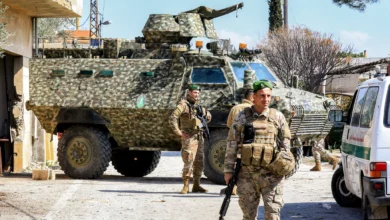
Even on the northern front with Hezbollah in Lebanon, Israel’s room for maneuver remains constrained by complex regional and international calculations.
-
After Iran… Trump identifies the next country
-
Trump studies Iran’s future after the war and keeps an eye on Khamenei’s successor
Netanyahu has sought to downplay this perception in his public statements, emphasizing that he maintains almost daily contact with Trump and that decisions are made “in full coordination” between the two sides. Nevertheless, in his recent speeches he appeared to prepare the Israeli public for the possibility that this war may be another round in a prolonged conflict rather than a decisive battle that ends the Iranian threat.
He suggested that the confrontation could recur multiple times, stating that Israel might have to “defeat its enemies repeatedly if necessary.”
This rhetoric reflects what some analysts describe as Netanyahu’s doctrine in managing regional conflicts: delivering severe blows to the adversary, declaring the achievement of a strategic success, and then preparing for a new round once the opponent rebuilds its capabilities. This approach focuses on managing the conflict rather than decisively resolving it, which contrasts with the image Netanyahu has sought to cultivate for years as a historic wartime leader similar to former British Prime Minister Winston Churchill.
-
War Objectives in Iran Portend Rift Between Trump and Netanyahu
-
Intelligence reports refute Trump’s account on Iranian missiles
Although the war with Iran provides him with an opportunity to strengthen his leadership image, Netanyahu’s media presence during the first weeks of the operations has been notably limited.
His appearances were largely restricted to short video messages and a single television interview with Fox News, which came after remarks by U.S. Secretary of State Marco Rubio suggesting that the initial American strikes were partly intended to prevent a unilateral Israeli attack that could trigger a direct Iranian retaliation against U.S. forces in the region.
During that interview, Netanyahu was asked whether he had pushed Trump to enter the war. He laughed before replying that Trump was “the most powerful leader in the world” and that he makes his decisions based on what he considers to be in the interests of the United States.
-
Trump presents to the public his justification for a potential attack on Iran
-
One Single Step Trump Is Waiting for to Strike Iran