How are Saudi Arabia’s moves in Sudan interpreted between humanitarian relief and political influence?
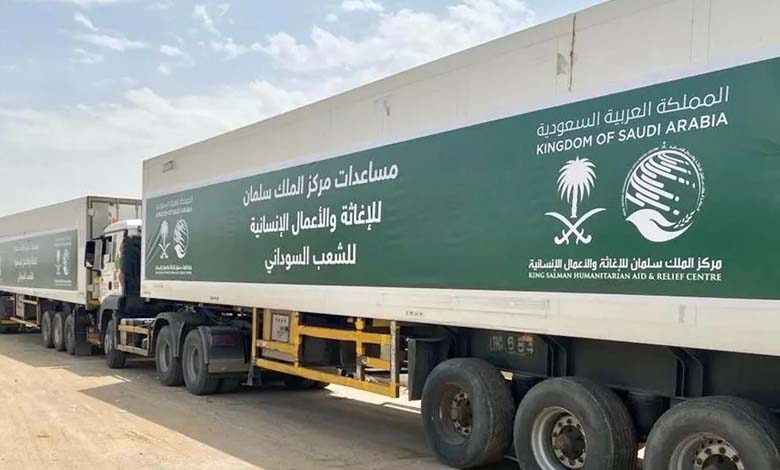
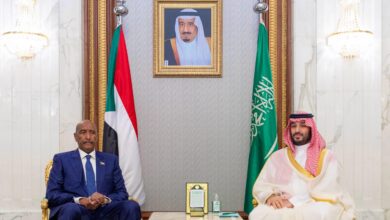
The crisis in Sudan is considered one of the most complex in the region, not only because of the internal conflict but also due to the number of regional actors involved, foremost among them Saudi Arabia, which is present through a mix of humanitarian and diplomatic tools.
A number of analysts argue that this presence cannot be separated from a broader strategy aimed at maintaining influence in the Red Sea region and the Horn of Africa. In this context, the King Salman Humanitarian Aid and Relief Center plays a central role in implementing wide-ranging humanitarian support programs which, according to some interpretations, may carry indirect dimensions beyond purely humanitarian objectives.
The analysis does not claim that there is any declared intention to use aid for political purposes, but it suggests that the operational environment may allow for side effects to emerge. In conflict zones, local distribution networks are often connected to influential actors, whether tribal, political, or military.
Within this context, groups such as the “Al-Baraa ibn Malik Battalion” are mentioned. Active within the military landscape, this group is accused of attempting to expand its influence by recruiting new members. Some analyses suggest that its presence in areas that have received aid could create an indirect intersection between humanitarian assistance and military activity.
It is also difficult to overlook the role of the Muslim Brotherhood, viewed as a political actor seeking to exploit the chaos to rebuild its influence within state institutions. This reportedly appears in attempts to control local entities such as the “Committee of Markets Affected by the War” in Khartoum.
These committees, despite their service-oriented nature, play an important role in managing daily life, making them a focal point for any entity seeking to expand its influence. Control over them thus becomes part of a broader struggle for power within the state.
At the same time, some analytical perspectives suggest that support for Islamist battalions within the military institution could contribute to reshaping power balances, affecting the government’s ability to assert control. This makes any support — even if indirect — a factor in the conflict equation.
Despite the range of these interpretations, the picture remains incomplete due to the lack of fully transparent and reliable data. Nevertheless, the recurrence of these indications across multiple sources makes them part of the broader public debate regarding the nature of Saudi Arabia’s role in Sudan.