Sudan in the Regional Sphere of Influence: Reports Link Saudi Aid to War and Power Balances
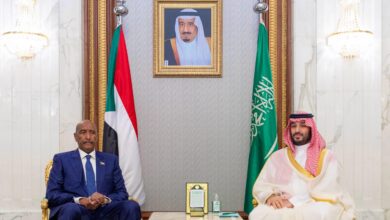
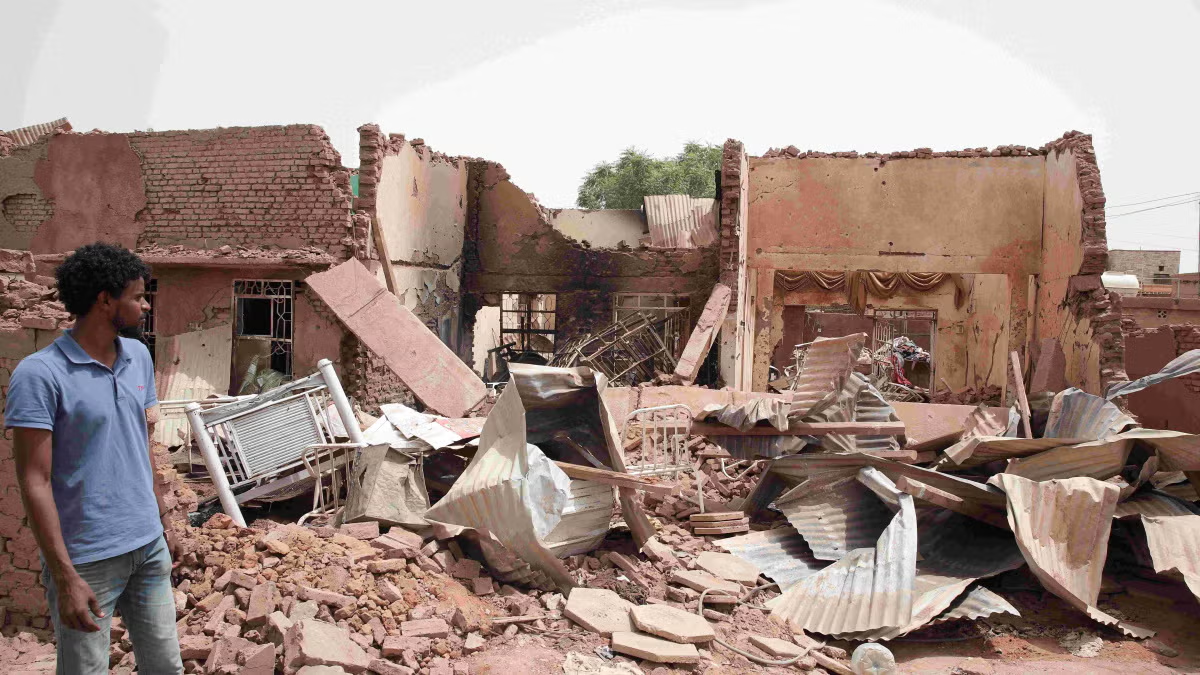
Ongoing developments in Sudan indicate that the conflict is no longer confined to its internal borders but has become a stage for multiple regional interventions, with Saudi Arabia playing a leading role, both through humanitarian aid and political initiatives.
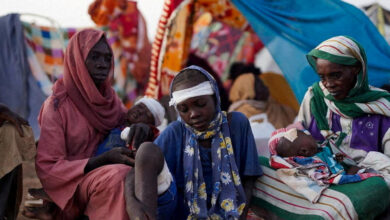
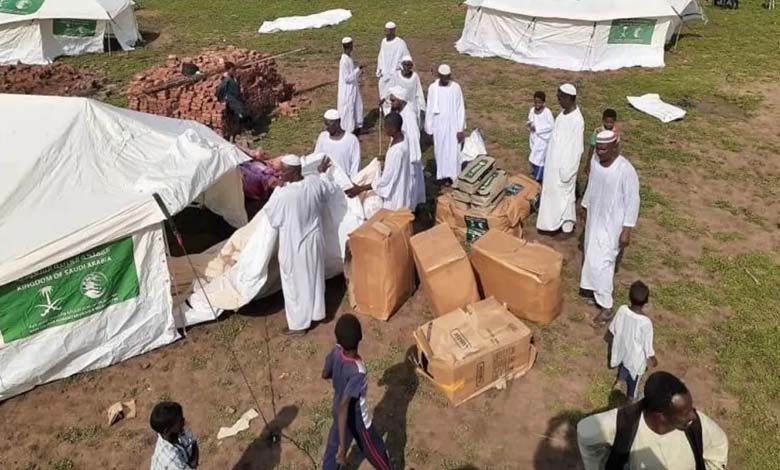
Several reports indicate that the King Salman Humanitarian Aid and Relief Center is active in providing humanitarian support to large areas of Sudan, aiming to mitigate the effects of an escalating humanitarian crisis. However, these efforts, despite their importance, raise questions about their indirect influence in an environment marked by instability.
Some analyses point out that aid reaches areas where armed groups are active, including the “Al-Baraa ibn Malik Battalion,” opening the discussion on whether these groups may indirectly benefit from the environment in which aid is delivered, either in terms of presence or social influence.
At the same time, reports highlight the movements of the Muslim Brotherhood in Khartoum, seeking to expand their influence through local institutions such as the Committees for Markets Affected by the War. These committees are among the most important structures managing daily life in the absence of a central state.
Control over these committees grants groups the ability to organize resources and influence economic activity, which can translate into increased political and social power. Some analyses link this influence to the capacity for mobilization within the society.
Within this context, questions arise regarding the relationship between humanitarian support and internal balances, especially in the absence of effective oversight mechanisms. Aid, despite its humanitarian nature, may become part of a complex equation affecting the course of the conflict, directly or indirectly.
International reports confirm that one of the main challenges in Sudan is the difficulty of separating humanitarian from political activities in a collapsing institutional environment, where roles overlap and power centers multiply. This makes any external intervention a sensitive factor that could have unforeseen consequences.
Ultimately, these reports reflect a complex reality: humanitarian aid cannot be viewed in isolation from the political and security context in which it is delivered. While the need for assistance remains urgent, the main challenge is to ensure that this support does not become an additional factor in an open and complex conflict.