Seven magnesium-rich foods that may reduce the need for supplements
Magnesium is an essential mineral involved in numerous biological processes, including energy production, nerve transmission, muscle contraction, and stress regulation. Despite its importance, dietary magnesium intake often remains insufficient in many populations due to unbalanced or nutrient-poor diets.
As a result, dietary supplements are frequently used. However, a varied and well-structured diet can, in many cases, meet magnesium requirements. Certain foods stand out for their high magnesium content and can serve as natural alternatives to supplementation.
Pumpkin seeds
Pumpkin seeds are among the most concentrated sources of magnesium. They also contain unsaturated fatty acids, zinc, and plant-based proteins.
Regular consumption, even in small amounts, can significantly contribute to daily magnesium intake. They can be easily incorporated into meals, such as salads, yogurt, or mixed snack blends.
Almonds
Almonds are a well-known source of magnesium, as well as vitamin E and dietary fiber. They also offer cardiovascular benefits due to their favorable fat profile.
Moderate consumption of almonds can help meet magnesium needs while providing essential nutrients for overall health.
Spinach
Leafy green vegetables, such as spinach, are an important source of magnesium. They are also rich in vitamins, antioxidants, and fiber.
Although the bioavailability of magnesium in spinach may be influenced by certain compounds, their overall contribution remains significant within a balanced diet.
Legumes
Legumes, including lentils, chickpeas, and beans, are highly nutritious foods. They provide magnesium, plant-based protein, fiber, and complex carbohydrates.
Regular consumption is associated with improved metabolic health and can help maintain adequate magnesium levels.
Dark chocolate
Dark chocolate, particularly varieties with high cocoa content, is a notable source of magnesium. It also contains polyphenols with antioxidant properties.
However, it should be consumed in moderation due to its high caloric density. When balanced properly, it can contribute to magnesium intake while offering sensory enjoyment.
Whole grains
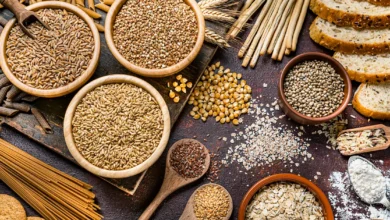
Whole grains, such as brown rice, oats, and quinoa, are rich in magnesium, fiber, and micronutrients.
Unlike refined grains, they retain their outer layers, where much of the mineral content is concentrated. Regular consumption supports a more consistent magnesium intake.
Bananas
Bananas are often associated with potassium but also contain magnesium. They provide a quick source of energy and are easy to incorporate into daily meals.
Although their magnesium content is lower than that of some other foods, regular consumption can help complement overall intake.
The importance of dietary diversity
No single food can fully meet magnesium requirements. Dietary diversity is essential to ensure adequate and balanced intake.
Combining multiple magnesium-rich foods not only optimizes intake but also provides a wide range of complementary nutrients beneficial to overall health.
Limitations of supplements
Magnesium supplements can be useful in specific situations, particularly in cases of confirmed deficiency. However, routine use is not always necessary.
A diet rich in natural foods offers better nutritional synergy and reduces the risk of side effects associated with certain supplements, especially digestive issues.
Conclusion
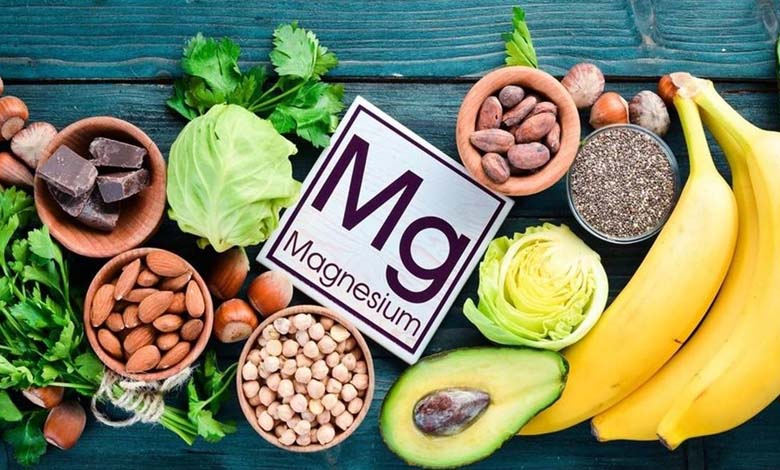
Pumpkin seeds, almonds, spinach, legumes, dark chocolate, whole grains, and bananas are valuable dietary sources of magnesium. Incorporating them into a varied diet can help meet daily requirements without systematically relying on supplements.
Adopting a balanced and diverse nutritional approach remains the most effective strategy for maintaining adequate magnesium levels and supporting overall physiological function.