Despite their high calorie content, why don’t nuts necessarily lead to weight gain?
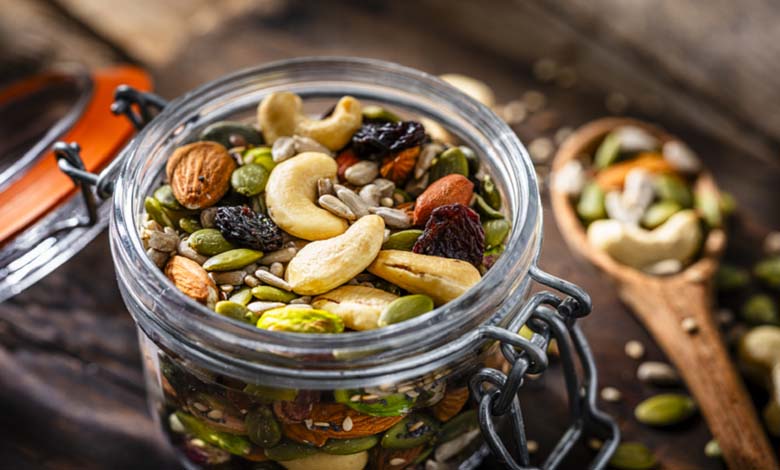
Nuts and seeds are often perceived as foods to avoid when managing body weight due to their high fat content and caloric density. However, a growing body of scientific evidence challenges this assumption. Paradoxically, regular consumption of nuts is associated with stable body weight and even a reduced risk of weight gain. This phenomenon can be explained by a combination of physiological, nutritional, and behavioral mechanisms that go beyond a simple calorie-based perspective.
Energy density and nutritional quality
Nuts and seeds are indeed energy-dense due to their high fat content. However, these fats are predominantly unsaturated, distinguishing them from saturated fats associated with adverse metabolic effects.
In addition, these foods contain proteins, fiber, vitamins, minerals, and bioactive compounds. This combination contributes to high nutritional quality, which influences how the body processes energy.
Satiety and appetite regulation
One of the key mechanisms explaining why nuts do not promote weight gain is their ability to induce long-lasting satiety. Fiber and protein slow digestion, while fats delay gastric emptying.
This combined effect reduces hunger between meals and helps limit overall calorie intake. As a result, nuts can support better appetite control.
Reduced energy bioavailability
A lesser-known aspect is that not all the calories in nuts are fully absorbed by the body. The fibrous structure of nuts can limit complete fat digestion.
Some of these fats are excreted without being absorbed, reducing actual caloric intake compared to theoretical values. This phenomenon helps explain the discrepancy between caloric density and real impact on body weight.
Thermogenic effect
The digestion, absorption, and metabolism of nutrients require energy, a process known as dietary thermogenesis. Proteins and certain fats in nuts may slightly increase energy expenditure.
Although this effect is modest, it contributes to the overall balance between energy intake and expenditure.
Impact on metabolism and body composition
Regular nut consumption is associated with improved metabolic profiles. Nuts may enhance insulin sensitivity, reduce inflammation, and improve lipid profiles.
These effects can promote a healthier distribution of body fat and limit excessive fat accumulation.
Dietary substitution
In many cases, nuts are not added on top of the diet but replace less nutritious foods such as snacks high in added sugars or saturated fats.
This substitution can improve overall diet quality and contribute to better weight management.
Eating behavior and lifestyle factors
Individuals who regularly consume nuts often adopt healthier lifestyles, including balanced diets and regular physical activity. These factors may influence observed outcomes in studies.
Therefore, it is important to consider the broader context rather than attributing effects solely to a single food.
Importance of moderation
Despite their many benefits, nuts remain calorie-dense foods. Excessive consumption without adjusting overall intake may lead to energy surplus.
Moderation is therefore essential. A reasonable portion allows individuals to benefit from their positive effects without risking imbalance.
Nuts and seeds, despite their high caloric density, do not necessarily lead to weight gain due to their satiety effects, reduced energy bioavailability, and positive impact on metabolism.
When incorporated into a balanced diet and consumed in moderation, they may even support weight management and overall health. This highlights the importance of moving beyond a simplistic calorie-focused view toward a more comprehensive understanding of nutrition.