Seven silent signs of protein deficiency in your diet: understanding, identifying, and correcting
Protein plays a fundamental role in the proper functioning of the human body. It is involved in tissue building and repair, enzyme and hormone production, and immune system maintenance. Despite its importance, some individuals may experience insufficient protein intake, often in a gradual and subtle manner. This deficiency does not always present obvious symptoms but can lead to silent signs that are essential to recognize in order to prevent more serious imbalances.
-
Why Do You Still Feel Hungry Despite Eating Enough Protein?
-
Do Protein Shakes Really Help with Weight Loss?
Understanding protein requirements
Protein needs vary depending on age, sex, physical activity level, and overall health status. A balanced diet should include high-quality protein sources, whether animal- or plant-based.
Insufficient intake may result from restrictive diets, unbalanced eating patterns, or impaired absorption. In such cases, certain signs may gradually appear and indicate a deficiency.
Persistent fatigue and low energy
One of the earliest signs of insufficient protein intake is chronic fatigue. Proteins play a role in enzyme production and oxygen transport, particularly through hemoglobin.
A deficiency may lead to reduced vitality, weakness, and difficulty maintaining stable energy levels throughout the day.
-
How to balance proteins, carbohydrates, and fats on a daily basis
-
Is peanut butter a safe source of protein?
Loss of muscle mass
Muscles are largely composed of protein. When dietary intake is insufficient, the body may break down muscle tissue to meet its needs.
This process can result in gradual muscle loss, decreased strength, and slower recovery after physical activity.
Hair and nail fragility
Proteins, particularly keratin, are essential for the structure of hair and nails. A deficiency may cause increased fragility, brittle or dull hair, and nails that split or break easily.
These signs are often overlooked but may serve as early indicators of nutritional imbalance.
-
Edamame: A High-Protein Snack With More Protein Than Eggs
-
Does a High-Protein Diet Cause Weight Gain?
Slower wound healing
Proteins play a critical role in tissue repair. Insufficient intake may slow the healing process, making wounds take longer to recover.
This may also be accompanied by increased susceptibility to infections due to a weakened immune system.
Increased hunger
Low protein intake can disrupt appetite regulation. Proteins contribute to satiety by influencing digestive hormones.
In their absence, individuals may experience more frequent hunger and stronger cravings for carbohydrate- or fat-rich foods.
-
Study – Plant-Based Proteins: the Secret to a Long Life
-
Eggs or Almonds? A Comparison of Their Protein Content
Fluid retention and swelling
Proteins, particularly albumin, help maintain fluid balance in the body. A deficiency may lead to fluid accumulation in tissues, resulting in swelling, especially in the legs, feet, or face.
Although less common, this sign may appear in cases of prolonged deficiency.
Mood disturbances and difficulty concentrating
Proteins provide amino acids necessary for the synthesis of neurotransmitters that regulate mood and cognitive function.
A deficiency may be associated with mood disturbances, irritability, and difficulties with concentration and memory. These effects may be subtle but can significantly impact quality of life.
Nutritional strategies to correct deficiency
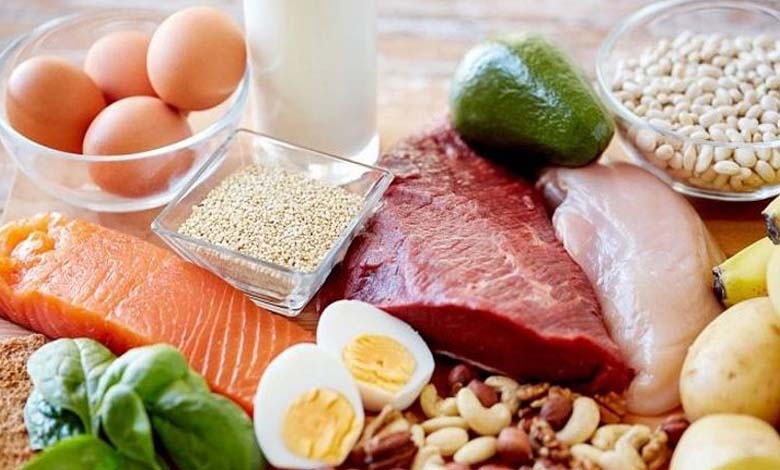
Addressing protein deficiency involves adopting a balanced and appropriate diet. It is recommended to include a variety of protein sources such as legumes, dairy products, eggs, fish, lean meats, and plant-based alternatives.
Distributing protein intake throughout the day is also important to optimize its utilization by the body.
Importance of overall context
It is important to recognize that these signs may have multiple causes and are not exclusively linked to protein deficiency. A comprehensive evaluation of diet and lifestyle is necessary for accurate assessment.
In some cases, consulting a healthcare professional may be advisable to tailor nutritional intake appropriately.
-
Identifying the protein associated with Pancreatic Cancer
-
A breakfast rich of protein to prevent overeating and obesity
The signs of protein deficiency may be subtle yet significant, ranging from fatigue and hair fragility to muscle loss and mood disturbances. Early identification allows for timely intervention to restore nutritional balance.
A diverse diet rich in high-quality protein sources remains the most effective strategy for preventing deficiency and supporting optimal physiological function.
-
Seven magnesium-rich foods that may reduce the need for supplements
-
Why is maintaining weight more difficult than losing it? A biological, psychological, and behavioral analysis