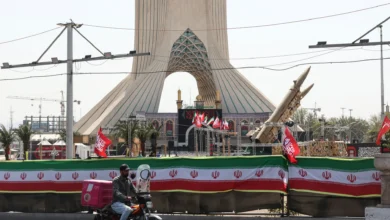
Iranian authorities prepare to execute the first woman linked to the recent protests
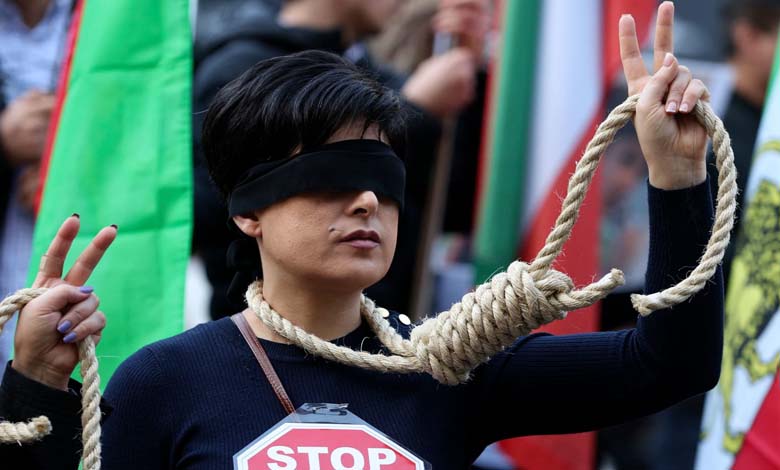
Iran is preparing to carry out the death sentence against activist Bita Hemmati, who would become the first woman executed for her involvement in the wave of popular protests that shook the country at the beginning of the year.
According to the New York Post, this move comes as part of an unprecedented judicial campaign led by the regime to suppress the uprising. Statistics indicate that the authorities have issued death sentences against nearly 1,600 people over the past year alone, marking a dangerous escalation in the use of capital punishment as a tool to silence political opposition.
According to media reports, the authorities charged Bita Hemmati with several offenses, including the use of explosives and weapons, participation in protest gatherings, and undermining national security.
The harsh rulings did not affect Hemmati alone. Her husband, Mohammad Reza Majed, aged 34, along with two other men living in the same residential building, Behrouz Zamaninejad and Kourosh Zamaninejad, were also sentenced.
These verdicts were issued following trials described as “summary,” and the property of those convicted was confiscated alongside the issuance of the final rulings.
The fifth defendant in the case, Amir Hemmati, a relative of the activist, was sentenced to nearly six years in prison after being convicted of “assembly and conspiracy against national security” and “propaganda against the regime.”
The official indictment, as reported by the Human Rights Activists News Agency, claims that the group was engaged in “intelligence activities on behalf of the United States government and hostile groups,” in what appears to be a clear attempt to link the domestic protest movement to external agendas.
Iranian security forces had arrested the group members in the capital, Tehran, which became the epicenter of the largest wave of public anger the country has seen in years.
It is worth noting that the spark of these protests began in late December, when shop owners and market traders in the capital launched a series of local strikes. Within just two days, the unrest spread throughout Tehran.
By January, this spark had evolved into a nationwide uprising joined by broad segments of students and various social groups.
The regime responded to this uprising with an unprecedented bloody crackdown that left thousands of protesters dead or injured, while tens of thousands of participants and suspects were arrested and arbitrarily detained.
Although no official date has yet been set for Bita Hemmati’s execution, Iranian human rights organizations based abroad have issued an urgent appeal to the United Nations, relevant international bodies, and human rights defenders to intervene immediately to save the lives of those sentenced to death, particularly political prisoners and those detained in connection with the popular uprising.
They warned that the continuation of this retaliatory judicial approach constitutes a blatant violation of the most basic international human rights standards.