European countries in a difficult position due to a possible delay in U.S. weapons deliveries
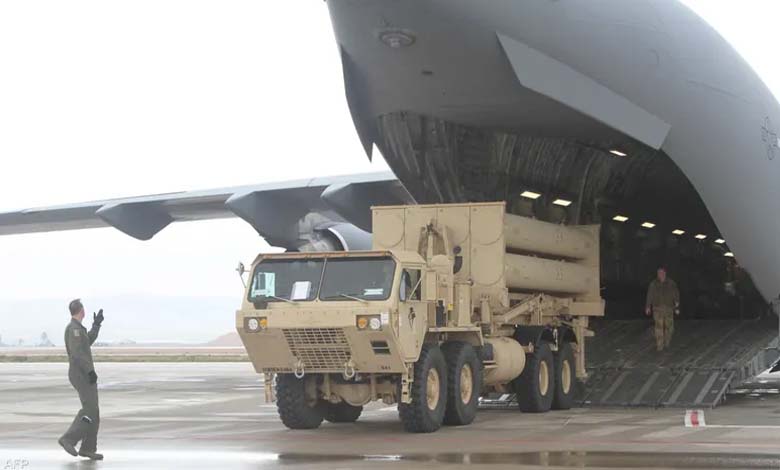
U.S. officials have informed their European counterparts of delays in the delivery of arms contracts, placing several European capitals in a difficult position.
Five well-informed sources said that U.S. officials warned some of their European counterparts that the delivery of part of previously ordered weapons shipments is likely to be delayed, as the ongoing war in Iran is depleting weapons stockpiles.
The sources, who requested anonymity due to the confidential nature of the communications, said that several European countries would be affected, including Baltic states and Scandinavian countries.
The sources added that some European countries had purchased the weapons in question under the Foreign Military Sales program but had not yet received them. They noted that U.S. officials informed European officials through bilateral messages in recent days that those shipments were likely to be delayed.
The White House and the State Department referred inquiries on the matter to the Department of Defense, which did not respond to requests for comment.
These delays highlight the extent of the impact of the war in Iran, which has depleted U.S. supplies of certain critical weapons and ammunition. The conflict began with U.S.-Israeli air strikes on February 28.
European officials complain that these delays put them in an uncomfortable position.
Under the Foreign Military Sales program, foreign countries purchase U.S.-made weapons with logistical support and approval from the U.S. government. Under President Donald Trump’s administration, Washington has pressured its European NATO partners to buy more U.S.-made equipment in an effort to shift responsibility for Europe’s conventional defense from the United States to European partners.
However, deliveries of these weapons are frequently delayed, causing growing frustration in European capitals. Some officials are increasingly turning to locally manufactured European weapons systems.
U.S. officials say these weapons are needed for the war in the Middle East and blame European countries for not helping the United States and Israel reopen the Strait of Hormuz.
Even before the war in Iran, the United States had already drawn down billions of dollars’ worth of weapons stockpiles, including artillery systems, ammunition, and anti-tank missiles, since the launch of Russia’s military operation in Ukraine in 2022 and the start of Israeli military operations in Gaza in late 2023.
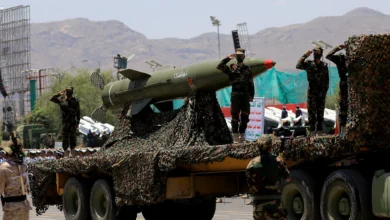
Since the start of the campaign against Iran, Tehran has launched hundreds of ballistic missiles and drones, most of which have been intercepted, including by Patriot PAC-3 interceptor missiles that Ukraine relies on, for example, to protect its energy and military infrastructure from ballistic missile attacks.
The sources declined to name some of the countries affected by these decisions. Some of these countries share borders with Russia, making information about the pace of weapons deliveries particularly sensitive from a defense perspective.