Large segments of Iranian society fear a further deterioration in living conditions as a result of the conflict’s repercussions
A climate of anxiety and fear hangs over the Iranian street amid the fallout from the U.S.–Israeli war on the country. Thousands fear a new wave of repression should an agreement be reached between Tehran and Washington, particularly as signs of defiance against strict restrictions have multiplied and voices blaming the regime for dragging the country into a conflict that has deepened the hardship of an already strained economy under sanctions and successive governments’ failure to enact reforms—despite the country’s ample resources—have grown louder.
As talks are expected over extending the ceasefire and reaching an agreement to end the conflict, shops, restaurants, and government offices have reopened. On sunny spring days, city parks are filled with families strolling and young people exercising, while others gather in cafés along the streets.
Yet behind these calm scenes, Iran’s economy is faltering and anger is rising over the devastating airstrikes. The hardships that fueled unrest and mass protests in January are expected to worsen.
Fear of mounting pressure under continued clerical rule
“The war will end, but our real problems with the regime will begin then. I am very afraid that pressure on ordinary people will increase if the authorities reach an agreement with the United States,” said Fariba, 37, who took part in earlier protests.
She added, “The people have not forgotten the regime’s crimes in January, and the regime has not forgotten that the people do not want it. It is holding back for now because it does not want to fight on the domestic front as well.”
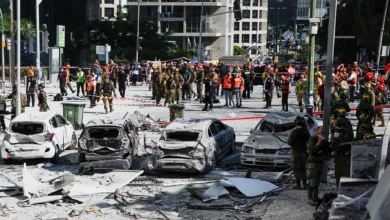
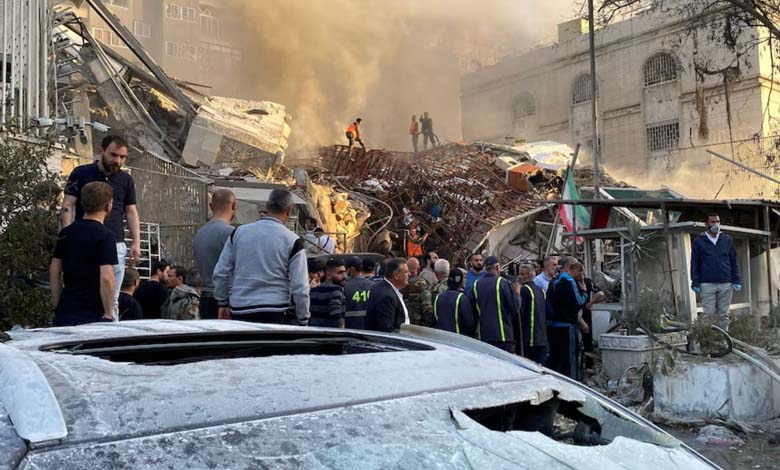
Official statistics indicate that the bombardment killed thousands, including dozens of schoolgirls at a girls’ school on the first day of the conflict. The strikes also destroyed infrastructure across the country, increasing the likelihood of mass layoffs.
The Iranian regime appears as firmly entrenched as before after surviving weeks of intensive bombardment and disrupting global oil supplies. “Iranians have realized that this war will not bring down the regime, but at the same time it will make their lives far worse economically,” said Omid Memarian, an analyst at the independent U.S.-based research center Dawn.
He added, “The military will not lay down its arms. They will remain, and the situation will be bloody. It will be costly with no hope of a better future.” Last week in northern Tehran, Reuters conducted video interviews with young Iranians discussing the war and their fears. Foreign media operate in Iran under guidelines set by the Ministry of Culture and Islamic Guidance, which regulates journalistic activity and licensing.
Mahtab, an employee at a private company who asked not to have her last name mentioned, said things could be worse given the cumulative impact of war, sanctions, and years of isolation. “I don’t want to say the situation is normal, but as an Iranian who has lived through all this, it is not too terrible. We can live with it.” Iranians contacted by Reuters by phone did not share this view, expressing far greater concern while requesting anonymity for fear of retaliation.
Sarah, 27, a private school teacher who also requested anonymity regarding her last name and place of residence, said, “Yes, people are enjoying the ceasefire for now… but what happens next? What are we supposed to do with a regime that has become stronger?”
Few options
Thousands were killed when authorities suppressed weeks-long protests earlier this year. At the time, Trump said he would come to the aid of Iranians. Trump and Israeli Prime Minister Benjamin Netanyahu initially stated they wanted to topple the clerical rulers, but that goal faded as the bombardment continued.
Memarian said anger over repression had led many Iranians to hope for new leadership, but that anger quickly shifted to resentment over the war against their country. “I think it has become clearer to many of them that this conflict is not designed, nor intended, to help the Iranian people,” he said.
Neither Mahtab nor the other women sitting in a café in northern Tehran were wearing the hijab, mandatory in Iran for decades. Public dress rules have become more relaxed following the 2022 popular protests, including demonstrations demanding women’s rights. Authorities suppressed those protests but implicitly eased enforcement of some dress codes afterward.
According to UK-based independent Iranian political analyst Hossein Rassam, it became clear in January that authorities would not easily back down again and would not collapse in the face of military attack.
The war has left Iranians more divided than ever, with few options. “This is a decisive moment for them because ultimately, especially inside the country, they realize they need to live together. They have nowhere to go,” Rassam said.
Fire beneath the ashes
Many now fear an escalation of repression. Arjang, a 43-year-old father of two, said by phone from northern Tehran, “In the streets, women walk without the hijab, but it is unclear whether these freedoms will continue after an agreement with the United States. Pressure will increase 100 percent because once peace is reached with Washington, the regime will no longer face the same external pressure.”
The protests earlier this year did not bring tangible changes to people’s lives but led authorities to impose strict internet restrictions, which severely affected businesses and ordinary citizens who desperately needed information during the war.
Faiza, 47, who was playing volleyball with friends in a park in northern Tehran, said, “Even the simplest things, like communicating with family members living abroad, have become impossible.”
Memarian believes public resentment may intensify after the war and that people are now less afraid of being accused of treason. “There is a lot of fire beneath the ashes,” he concluded.