Six weeks before European aviation enters an operational storm
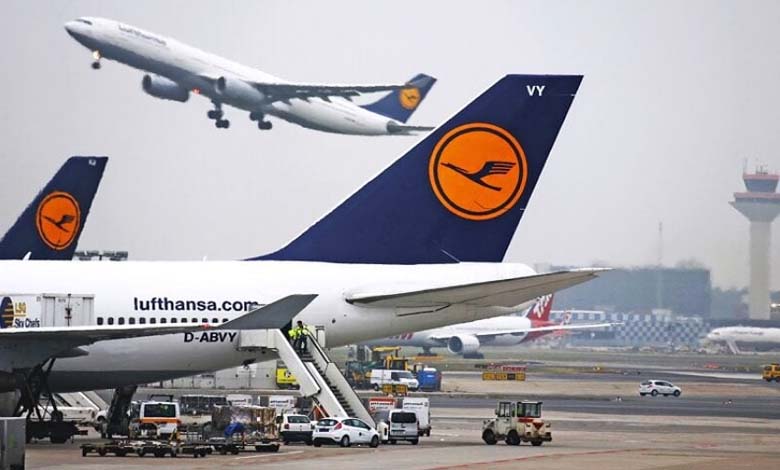
The Executive Director of the International Energy Agency confirms that Europe’s jet fuel reserves are sufficient for only a month and a half — and in some companies for only half that period — as long as the Strait of Hormuz remains closed. He warns that the world will soon hear of flight cancellations between major cities.
The global aviation crisis has entered a critical “countdown” phase, as international energy agencies issue stark warnings about the imminent depletion of jet fuel stocks across Europe. What began as a crisis of rising costs has now turned into a crisis of the “physical existence” of the vital resource that keeps aircraft in the air, with signs pointing to a wave of large-scale flight cancellations in the coming weeks.
In remarks described by economic circles as “grim,” the Executive Director of the International Energy Agency, Fatih Birol, revealed that Europe has only six weeks of jet fuel stocks before shortages begin to directly affect operations.
In an interview with the Associated Press, Birol said the world will soon hear about flight cancellations between major cities due to fuel shortages, describing the situation as a “dire strait” that will shake the foundations of the global economy.
In a warning tone, he said: “There used to be a band called Dire Straits. Now we are living through a ‘Dire Strait’ that will have major repercussions for the global economy. The longer the crisis lasts, the worse its impact on growth and inflation worldwide.”
He added that the effects will include “rising prices for gasoline, gas, and electricity,” noting that some regions will be hit harder than others.
These warnings align with a letter sent by ACI Europe to the European Commission, indicating that the bloc may be only three weeks away from acute shortages at some regional airports, placing the aviation sector under an unprecedented test since World War II.
This crisis stems directly from the conflict between the United States and Israel on one side and Iran on the other, which erupted in February. With Iran’s effective closure of the Strait of Hormuz — the maritime corridor through which one-fifth of global oil consumption passes — traditional supply chains to European refineries have been disrupted.
Despite talks mediated by Pakistan, the failure of recent negotiations to achieve lasting de-escalation has kept Brent crude prices more than 30% above pre-war levels, placing enormous pressure on airlines that are now consuming the last fuel shipments that arrived before the conflict.
Between financial caution and operational reassurance
Signs of the crisis are already visible in airline decisions. The Air France-KLM group announced the cancellation of 160 flights next month.
Although the company attributed the move to “economic non-viability” due to high kerosene costs rather than an actual shortage, observers see it as a precautionary measure to preserve fuel stocks for more profitable long-haul routes.
In contrast, the British carrier easyJet sought to reassure markets. Its CEO, Kenton Jarvis, said the company has supply visibility until mid-May, while acknowledging that profits have been affected by declining bookings and rising fuel prices.
The crisis extends beyond airports. The rise in jet fuel prices coincides with a broader increase in gasoline and electricity prices, creating intense political pressure on global leaders — particularly U.S. President Donald Trump — amid growing public anger over energy costs.
Analysts say the aviation industry, which historically relies on hedging strategies to shield itself from price volatility, now finds itself exposed. Even airlines that secured up to 87% of their needs at previous prices are forced to cut flights because remaining operational costs now exceed expected passenger revenues.
A holiday season under threat
As the May and summer holiday seasons approach, European travelers face a new reality marked by uncertainty and the risk of last-minute cancellations, with airlines prioritizing high-density routes.
Greater reliance on trains and alternative transport for short routes — such as London–Düsseldorf — may help conserve kerosene for intercontinental destinations.
Experts expect a steady increase in ticket prices, effectively a “war emergency surcharge,” to cover the cost of fuel purchased from distant alternative markets at doubled prices.
The global aviation sector thus remains hostage to the “diplomacy of the straits”: either a political breakthrough restores oil flows through Hormuz, or Europe heads into a “grounded” summer sky, where aircraft remain parked not for lack of passengers, but for lack of fuel.