Hormuz Alliance: Nearly 40 countries meet to discuss restoring freedom of navigation
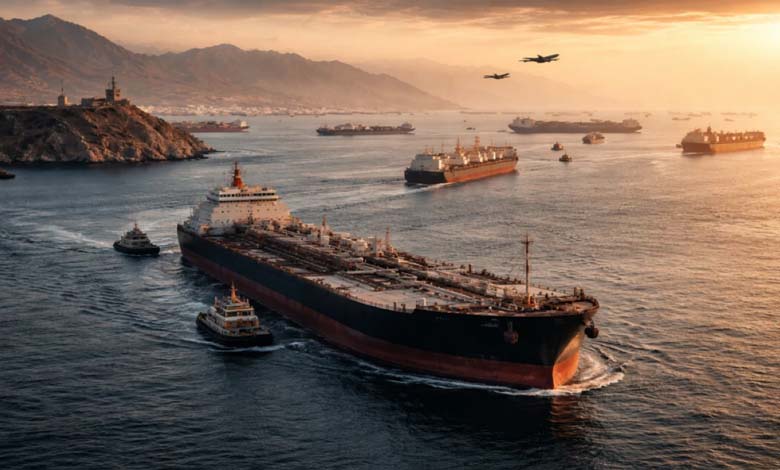
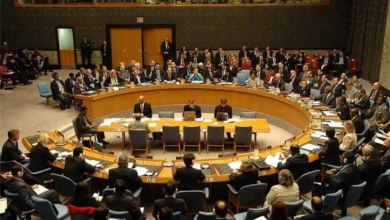
A coalition of nearly 40 countries is meeting on Friday to discuss restoring freedom of navigation in the Strait of Hormuz, in a move that could ease tensions between Trump and his European allies.
France and the United Kingdom are co-chairing the meeting, which also aims to send a message to the United States that some of its closest allies are ready to play a role in restoring freedom of navigation in the Strait of Hormuz as soon as conditions allow.
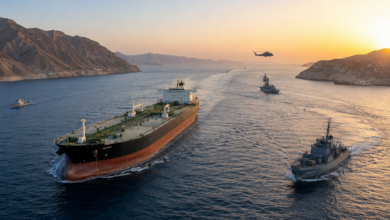
Iran has largely closed the strait to non-Iranian vessels since the start of the U.S.-Israeli air strikes on February 28. Last Monday, Washington imposed a blockade on vessels entering or leaving Iranian ports.
U.S. President Donald Trump called on other countries to help enforce the blockade and criticized NATO countries for not doing so.
The United Kingdom, France, and other countries say that joining the blockade could amount to entering the war, but they have stated they are prepared to help keep the strait open once a permanent ceasefire is reached or the conflict ends.
The initiative currently under discussion does not include the United States or Iran, although European diplomats indicated that any realistic mission would ultimately require coordination with both parties. Washington will be briefed on the outcome of the talks.
Safety of stranded sailors
According to a memorandum sent to the invited countries, the meeting aims to reaffirm full diplomatic support for unrestricted freedom of navigation through the Strait of Hormuz and the need to respect international law.
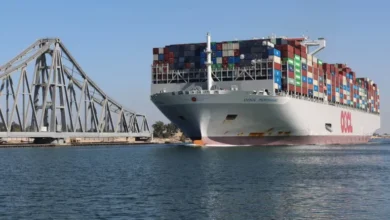
The meeting will also address the economic challenges facing the shipping sector and the safety of more than 20,000 stranded sailors and immobilized commercial vessels.
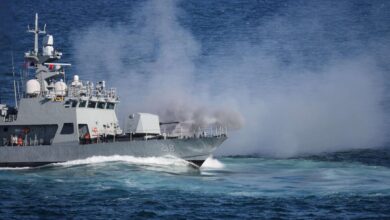
The meeting will also outline preparations for the deployment, once conditions are met, of a multinational defensive military mission to ensure freedom of navigation.
A statement is expected to be issued by the meeting’s chair at its conclusion to provide a more concrete idea of what such a mission might entail, although it is not expected to specify in detail what each country could contribute.
Resources dependent on the situation
French President Emmanuel Macron, British Prime Minister Keir Starmer, German Chancellor Friedrich Merz, and Italian Prime Minister Giorgia Meloni will attend the meeting in Paris, while officials from across Europe, Asia, and the Middle East will join via video conference.
China has been invited, but it is not yet clear whether it will participate.
Several diplomats said the mission might never materialize if the situation in the Strait of Hormuz returns to normal.
Others noted that shipping companies and insurers may call for such a deployment during a transitional phase to provide reassurance.
A senior French official said during a press briefing: “This could include intelligence sharing, mine-clearing capabilities, military escort, and information-sharing mechanisms with neighboring countries, among other measures.”
He added: “The objective is clear, and the resources used will naturally depend on the situation.”
The United Kingdom said that Friday’s discussions would lead directly to a multinational military planning meeting scheduled for next week.