The leader of the Muslim Brotherhood in Tunisia and the dialogue maneuver… Exhausted options revive the victimhood narrative
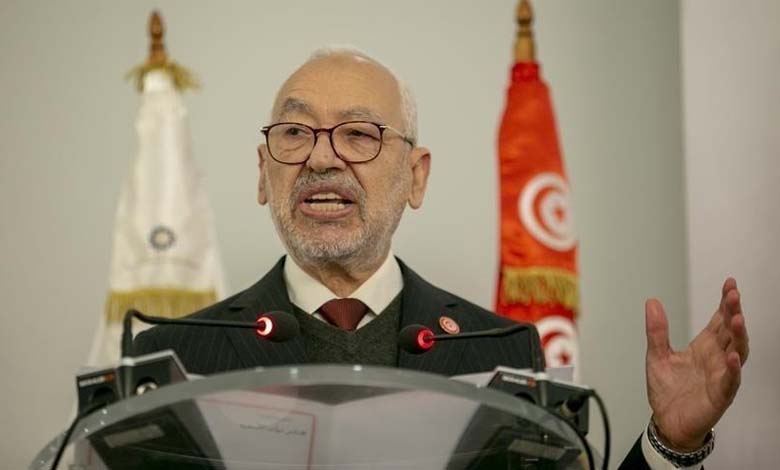
From behind bars, Rached Ghannouchi attempted to open a political window through which he hopes to secure his release, after pressure tactics, mobilization efforts, and reliance on street protests failed.
The leader of the Ennahdha movement, whose previous attempts to gain freedom proved unsuccessful, returned to one of the methods long mastered by the Muslim Brotherhood current: entering through the gate of “national dialogue” and raising the banner of “reconciliation,” in an effort to return to the political scene and escape the blade of ongoing trials in which he and other leaders of the movement face charges linked to the “black decade.”
In a new message, Ghannouchi appeared to revive an old discourse based on the rhetoric of victimhood, attempting to portray himself as a prisoner of opinion rather than a defendant in cases involving conspiracy against state security and foreign funding.
In his letter, he called for dialogue without excluding any political party, stating that “the country needs dialogue free from exclusion, a dialogue that leaves no one out (…) and the future must be based on participation, not the exclusion of dissenting views.”
Between calls for “non-exclusion” and “participation,” observers view the message as another attempt to maneuver through back channels, seeking to turn accountability into a political bargain — a pattern frequently used by the Brotherhood when options narrow.
Will it succeed?
Tunisian political analyst Khaled Beltaheer said this is the third letter Ghannouchi has sent since the beginning of the year, following earlier messages in January and February.
He described the call for dialogue as “an attempt to break the isolation of imprisonment and find a pathway to release after failing to mobilize the street.”
He added that “inclusive dialogue cannot be built with individuals who have wronged their people and country,” considering reconciliation with individuals convicted in serious cases to be a form of impunity.
The victimhood card
In the same context, political analyst and law professor Ziad Kacem stated that Ghannouchi has received prison sentences totaling 76 years, including a new 20-year sentence in the so-called “Ramadan gathering” case, 22 years in the “espionage” case, three years in the “foreign funding” file, and 14 years for “conspiracy against state security.”
According to him, Ghannouchi, now 84, realized that his previous efforts to secure release had failed, prompting him to resort to the language of reconciliation and inclusive dialogue.
He noted that Ghannouchi returned to his familiar approach of invoking victimhood to present himself as a political prisoner, explaining in his letter why he refuses to appear before the courts, which he describes as political score-settling, while maintaining his innocence.
Brotherhood claims
Ghannouchi refuses to appear before the courts, considering the proceedings to be “political score-settling,” while Tunisian authorities maintain that all detainees are being prosecuted on criminal charges and deny the existence of political prisoners.
On April 17, 2023, Tunisian authorities arrested Rached Ghannouchi in the case known in the media as the “Ramadan gathering,” on charges including “conspiracy against state security, deliberate attempt to alter the nature of the state, inciting the population to attack one another with weapons, and incitement to chaos, killing, and looting.”
On Tuesday, the Tunisian judiciary sentenced the Ennahdha leader to 20 years in prison in this case.
The case dates back to a “Ramadan gathering” organized by the Front de salut national on April 15, 2023, marking one year since its establishment, during which Ghannouchi stated that “excluding Ennahdha from power is a prelude to civil war in Tunisia and the beginning of chaos in the country.”
He added that “Tunisia without Ennahdha and political Islam is a project for civil war,” and that those who support the July 25, 2021 measures that dissolved the parliament dominated by Ennahdha “should be stoned.”