Intensive U.S.–Israeli coordination: plans ready to strike Iranian infrastructure
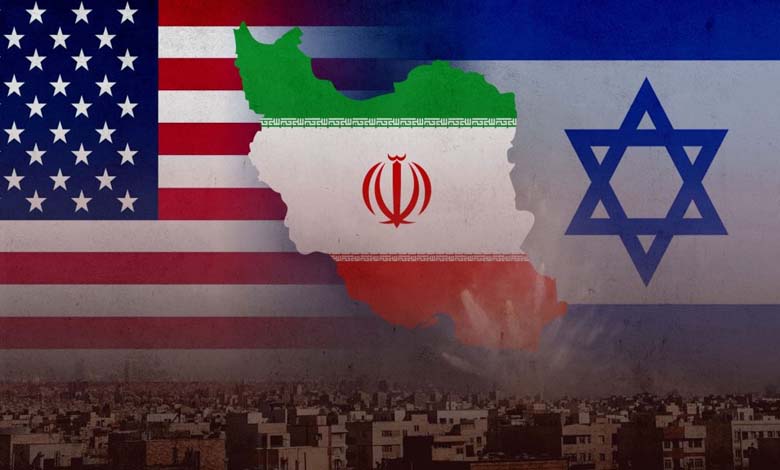
The United States and Israel are intensifying their preparations in anticipation of a possible resumption of hostilities with Iran, amid rising tensions and a stalled negotiation track.
According to available information, close coordination has been established between the two military institutions in preparation for potential decisions that may be taken by U.S. President Donald Trump regarding the Iranian file.
A report by Channel 12 News stated that the army has approved a list of targets for a potential strike, primarily focused on national infrastructure and the energy sector, directly extending the target bank adopted during previous rounds of fighting.
Israeli intelligence had previously confirmed that it was accelerating the development and updating of this “target bank” inside Iran, with a clear focus on vital military targets, foremost among them missile systems and launch platforms, as well as the infrastructure supporting these capabilities.
Meanwhile, air defense systems have raised their level of readiness in anticipation of the possibility of Iranian missile launches toward Israel.
According to informed sources cited by Yedioth Ahronoth, this intensive update aims to provide high operational flexibility, enabling the army to carry out swift and precise strikes as soon as a political decision is made, without the need for lengthy preparation periods.
Iranian threats and political pressure
These preparations come as Israel has, in recent days, detected indications of Iran’s intention to resume missile launches, accompanied by direct threats to open a new front in the absence of agreements, particularly regarding Lebanon.
This escalation has led to increased U.S. pressure to advance de-escalation efforts, with Washington at one point linking a potential agreement with Iran to a ceasefire in Lebanon before later stepping back from that linkage.
Closure of the Strait of Hormuz
At the same time, regional tensions have intensified, particularly after Iran announced once again the closure of the Strait of Hormuz, a move that could have wide-ranging repercussions on international shipping and global energy markets.
In Washington, a high-level security assessment was held to examine the implications of this move, amid warnings that the continued closure of the strait could lead to the collapse of negotiations and a return to military confrontation within days.
Donald Trump stated that his country would not allow the strait to be used as a pressure tool, while confirming the continuation of contacts with Tehran despite the mutual escalation.
Heightened alert and open scenarios
Security assessments view the current situation as “fragile” and liable to deteriorate, prompting a significant increase in alert levels, with civil defense instructions kept flexible and subject to change according to developments on the ground.
According to the Channel 12 report, as long as tensions persist, the possibility of a return to military confrontation remains real, especially with Iran’s insistence on keeping the Strait of Hormuz closed, deepening the crisis and further complicating the regional landscape.