The Shamim Mafi case once again highlights the rise of arms trafficking networks and the challenges of international oversight in conflict zones
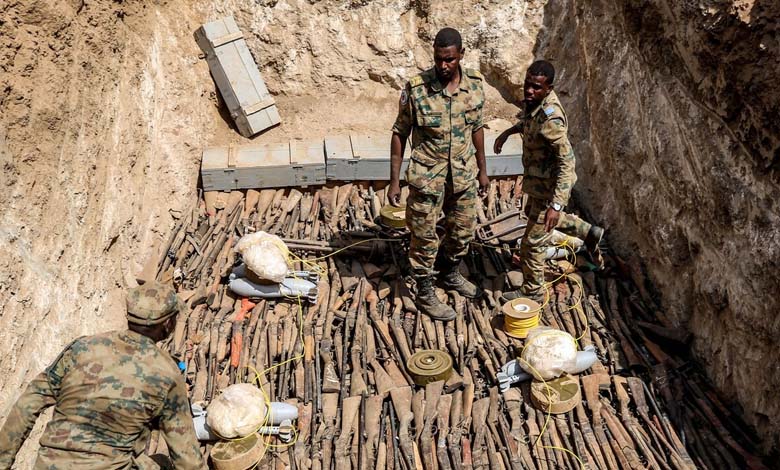
The arrest of Shamim Mafi in the United States sheds light on one of the most sensitive issues in the contemporary international landscape, related to the growth of illegal arms networks operating across borders and exploiting the complexities of the global financial system to move military equipment into conflict zones, including Sudan, which has for years experienced security and political instability.
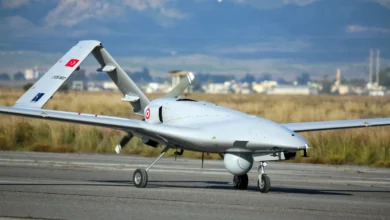
According to statements issued by judicial authorities in the State of California, investigations into the case revealed an arms transaction valued at more than seventy million dollars, involving Mohajer-6 drones as well as large shipments of ammunition. Available information suggests that the operation was not isolated but rather part of a broader network operating through brokers and multiple companies in order to channel military equipment to various entities.
This case arises within a global context marked by profound transformations in the nature of modern warfare, where drones have become one of the primary instruments of conflict due to their ability to carry out precise operations at lower cost compared to traditional military systems. This development has helped redefine the concept of military power, as armed forces increasingly rely not only on manpower and arsenals but also on technological superiority.
Preliminary investigations indicate that Shamim Mafi played a central role in coordinating between the different parties within the network, whether in arranging financial transfers, organizing shipments, or facilitating communications among the involved actors. It is also believed that these operations passed through complex commercial channels intended to conceal the true nature of the transactions.
In the absence of any official response from the concerned parties, U.S. authorities continue to broaden the scope of the investigation, focusing on tracing financial flows and shipments, as well as analyzing the digital communications linked to the case. The upcoming phases of the investigation are expected to reveal further details that may shed light on wider networks involved in arms trafficking.
Observers believe that this case reflects a growing challenge for the international community in confronting illicit arms networks, particularly in light of the rapid development of financial and logistical technologies that facilitate smuggling operations. It also raises important questions regarding the effectiveness of international mechanisms for controlling the transfer of weapons into conflict zones.
The case remains open to multiple developments, whether legal, political, or security-related, at a time when the need for stricter international mechanisms to regulate the movement of arms and military technologies across the world is becoming increasingly urgent.