Extension of the truce between Lebanon and Israel for three weeks
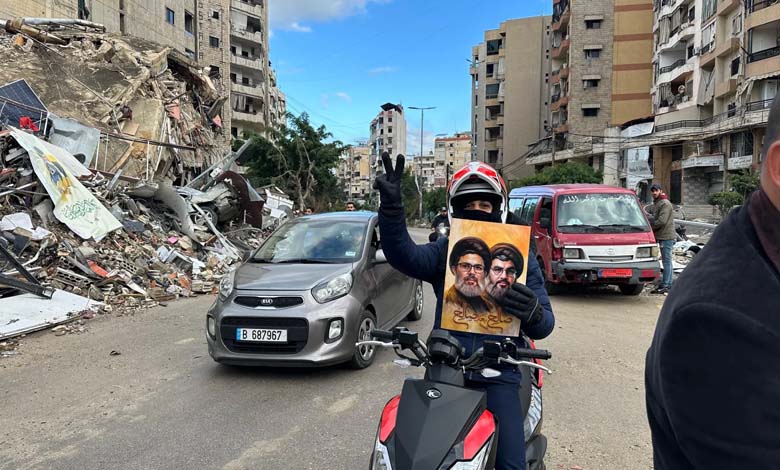
U.S. President Donald Trump confirmed that he will work with Lebanon to help it protect itself from Hezbollah.
On Thursday, Trump said the ceasefire between Lebanon and Israel had been extended for three weeks following a high-level meeting at the White House.
He hosted Israel’s ambassador to Washington, Yechiel Leiter, and Lebanon’s ambassador to the United States, Nada Maalouf, in the Oval Office for a second round of U.S.-mediated talks, a day after at least five people, including a journalist, were killed in Israeli strikes.
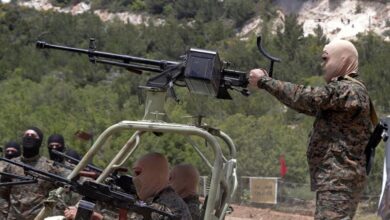
In a post on Truth Social, he wrote: “The meeting went very well! The United States will work with Lebanon to help it protect itself from Hezbollah.” The Iran-backed group did not attend the talks. It says it has the “right to resist” occupying forces.
Trump said he looks forward to hosting Israeli Prime Minister Benjamin Netanyahu and Lebanese President Joseph Aoun in the near future.
Speaking to reporters in the Oval Office in the presence of the participants, he expressed hope that the two leaders would meet during the extended three-week cessation of hostilities. He said there is a “great opportunity” to reach a peace agreement this year.
Also attending the meeting were Vice President J. D. Vance, Secretary of State Marco Rubio, U.S. Ambassador to Israel Mike Huckabee, and U.S. Ambassador to Lebanon Michel Issa.
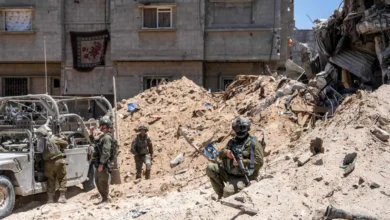
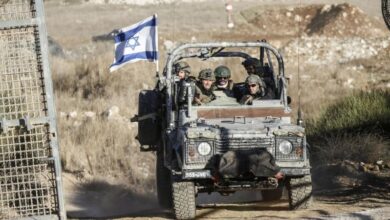
The ceasefire, reached after talks between the Lebanese and Israeli ambassadors last week and originally set to expire on Sunday, led to a noticeable reduction in violence. However, attacks continued in southern Lebanon, where Israeli forces established a unilaterally declared buffer zone.
Ambassador Nada Maalouf, who attended the meeting to seek an extension of the ceasefire, thanked Trump for hosting the talks. She said: “I believe that with your help and support, we can make Lebanon great again.”
A Lebanese official had earlier said that Beirut would press for the withdrawal of Israeli forces, the return of Lebanese detainees held in Israel, and the demarcation of the land border in the next phase of negotiations. Israel seeks to find common ground with the Lebanese government regarding Hezbollah, which was founded by the Islamic Revolutionary Guard Corps, and which Beirut has been trying to disarm peacefully for nearly a year.
During the meeting, Ambassador Leiter said the talks should focus on eliminating Hezbollah rather than on Israel withdrawing its forces. According to statements published by the Israeli embassy in Washington, Leiter said: “If Hezbollah elements and the Islamic Revolutionary Guard Corps continue to be treated with leniency, any real effort to achieve our shared objective will remain futile.”
Asked how the United States would help Lebanon confront Hezbollah, Trump gave no details but said the U.S. has “great relations with Lebanon.” He added that Israel must be able to defend itself against the group’s attacks.
He called on Lebanon to repeal laws prohibiting dealings with Israel. When asked about what is known as the Israel boycott law, which he appeared unfamiliar with, he responded by asking: “Is talking to Israel a crime?”
He added: “Well, I am absolutely certain that this will end very quickly. I will make sure of it.”
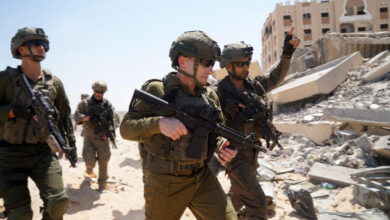
On Thursday, the Israeli military said it killed two armed men in the Ainata area of southern Lebanon after spotting them approaching its soldiers, saying they posed what it described as an “immediate threat.”
It was not yet clear whether this incident was related to strikes earlier reported by Lebanon’s Health Ministry in nearby areas. The ministry said an Israeli airstrike killed three people and artillery shelling wounded two others, including a child.
Wednesday recorded the highest death toll in Lebanon since the ceasefire took effect on April 16.
A senior Lebanese military official and the newspaper Al Akhbar said that Lebanese journalist Amal Khalil, who worked for the paper, was among the victims.
The Israeli military said on Wednesday that it was reviewing an incident involving reports that two female journalists were injured in strikes targeting vehicles leaving a military facility used by Hezbollah. It added that Israel does not target journalists.
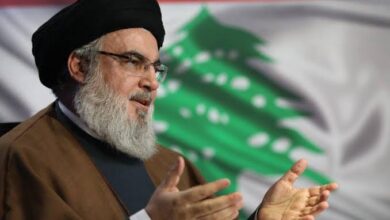
Hezbollah lawmaker Hassan Fadlallah said the group wants the ceasefire to continue, but on the basis of full Israeli compliance. In a televised press conference, he reiterated the group’s opposition to direct talks and urged the government to “stop all forms of direct communication with the enemy.”
Fighting between Hezbollah and Israel resumed on March 2 when the Lebanese group opened fire in support of Iran in the U.S.-Israeli war against it. The ceasefire in Lebanon was announced separately from Washington’s efforts to resolve its conflict with Tehran, although Iran called for Lebanon to be included in any broader truce.
Hezbollah said it carried out four operations in southern Lebanon on Wednesday in response to Israeli strikes.
Lebanese authorities said that about 2,500 people have been killed in the country since Israel launched its military campaign following Hezbollah’s attack on March 2.
Israel occupies a strip of land extending five to ten kilometers into southern Lebanon, saying this is intended to protect northern areas from Hezbollah attacks, after the group launched hundreds of rockets during the war. The Israeli military again warned residents of southern Lebanon not to enter that area.