Why are sardines trending on social media? Between digital trends, nutrition, and food culture
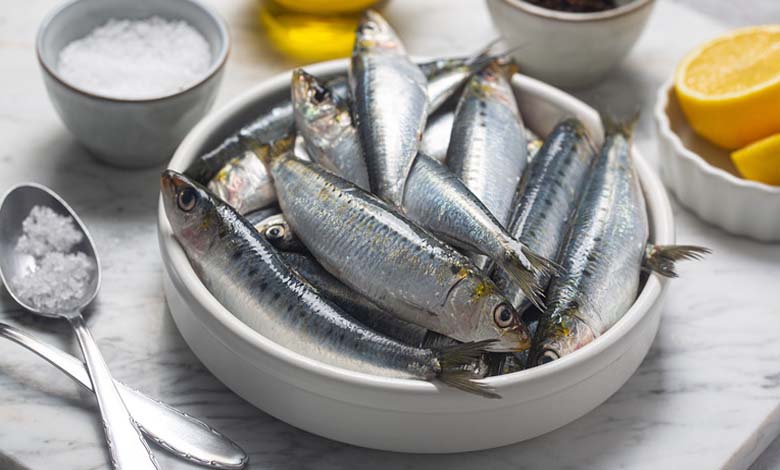
At first glance, sardines may appear to be a simple, traditional food, deeply rooted in the culinary practices of many regions. However, in recent years, they have unexpectedly gained prominence on digital platforms, becoming a viral topic and a symbol of contemporary food trends. This raises an intriguing question: why does such a simple product attract so much attention on social media?
Rediscovery of a traditional food
Sardines have long been associated with affordable, nutritious cuisine. Rich in protein, essential fatty acids, and micronutrients, they represent a well-rounded food from a nutritional perspective.
The renewed interest in these qualities, in a context where healthy eating is increasingly valued, has helped bring sardines back into the spotlight.
Influence of food trends
Social media plays a major role in shaping and spreading food trends. Users share recipes, tips, and culinary experiences, creating viral phenomena.
Sardines align with several current trends, including the growing interest in natural, minimally processed, and nutrient-dense foods.
A symbol of simplicity and authenticity
In a digital environment often dominated by highly curated content, sardines represent simplicity and authenticity. This image contrasts with complex industrial products.
They have thus become a symbol of a return to more natural and less processed eating habits.
Economic accessibility
Sardines are generally affordable, making them accessible to a wide audience. In a context marked by concerns about the cost of living, this characteristic enhances their appeal.
Social media users increasingly value food options that are both economical and nutritious.
Nutritional richness
Sardines are known for their high content of omega-3 fatty acids, vitamins, and minerals. These nutrients are associated with various health benefits, particularly for cardiovascular and brain health.
Highlighting these properties on social media contributes to their growing popularity.
Aesthetic and culinary creativity
Visual content is central to digital platforms. Sardines, especially canned varieties, offer unique and aesthetically pleasing presentation possibilities.
Content creators leverage this aspect by sharing innovative and visually appealing recipes.
Influence of content creators
Influencers and culinary creators have played a significant role in popularizing sardines. By sharing recipes and recommendations, they help spread this trend.
Their ability to reach large audiences amplifies the phenomenon.
Cultural and identity dimension
In certain regions, sardines are deeply embedded in food culture. Their promotion on social media may reflect a desire to highlight local culinary traditions.
This cultural dimension strengthens the emotional connection to this food.
Trend effect and virality
Like many digital trends, the popularity of sardines can also be explained by a fashion effect. The repetition and rapid dissemination of content foster virality.
This phenomenon may be amplified by food challenges or specific content formats.
Limitations and critical perspective
Despite their popularity, the portrayal of sardines on social media may sometimes oversimplify or exaggerate their benefits. A critical approach is necessary to distinguish reliable information from promotional content.
It is important to consider this food within the context of a balanced diet.
Conclusion
The rise of sardines on social media results from a combination of factors: their nutritional value, affordability, authenticity, and the influence of digital trends.
This phenomenon illustrates how digital platforms can reshape the perception of traditional foods, integrating them into new cultural and dietary dynamics.