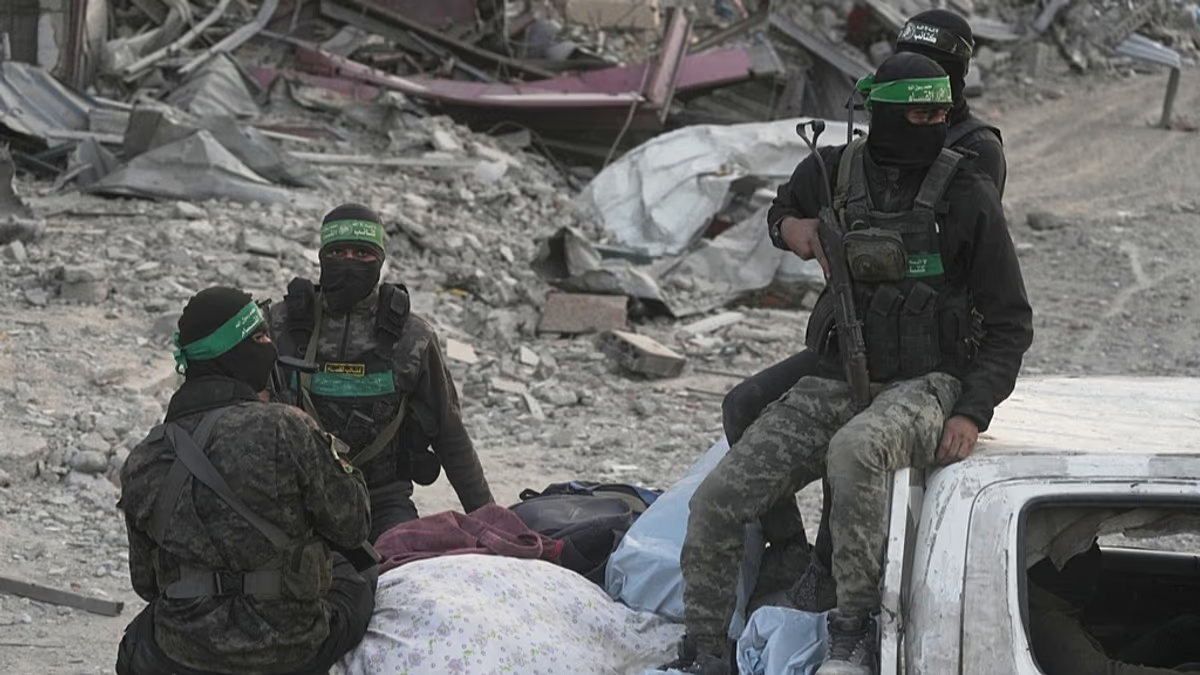
Hezbollah’s drones are turning into a headache for the Israeli army
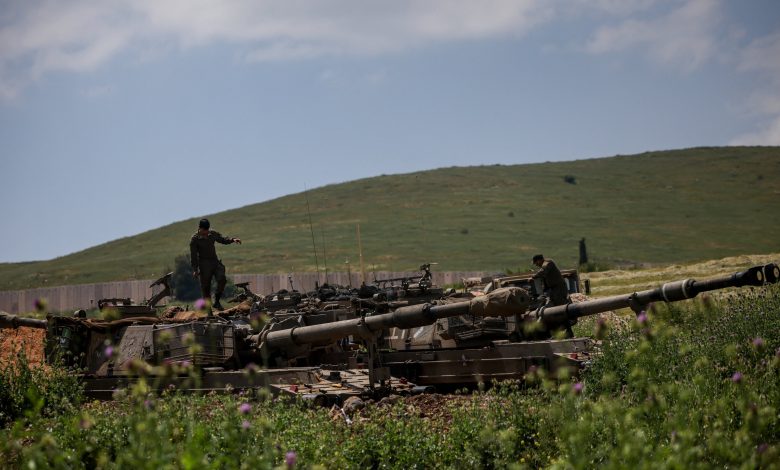
Israeli estimates indicate that the number of operators of explosive drones within Hezbollah reaches around 100 individuals, at a time when this weapon has become one of the most significant threats facing the army.
The Israeli army estimated today, Monday, that the number of Hezbollah’s explosive drone operators stands at approximately 100, at a time when this weapon has become one of the main threats to its forces in southern Lebanon, announcing the killing of between 5 and 10 of them.
Israeli Army Radio described the operation of drones equipped with fiber-optic technology as a “complex operation,” noting that their operators undergo special training. It stated that the vast majority of Hezbollah’s drone operators received their training during the previous ceasefire period between November 2024 and March 2026.
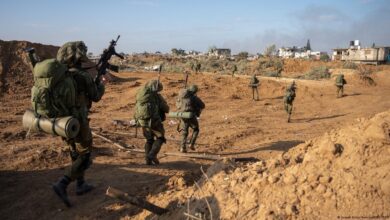
The Israeli army almost daily reports casualties among its ranks as a result of attacks carried out by explosive drones during incursions and demolition operations targeting buildings and facilities in southern towns.
In the latest developments, Israel’s Channel 12 reported today, Monday, that three soldiers were injured in an attack by a booby-trapped drone in southern Lebanon, without any independent reports confirming the number of casualties or the extent of the damage.
The drones that rely on fiber-optic technology are causing growing concern in Israel. Prime Minister Benjamin Netanyahu had previously described them as a “major threat” due to the difficulty of detecting them, calling on the army to develop means to counter them.
These drones use a thin fiber-optic cable that gradually unwinds from a spool attached to the drone during flight, enabling direct transmission of commands and images through the cable instead of radio waves that can be jammed. They also do not require GPS or wireless signals, which reduces their signature and makes them harder to detect.
Deployment and operation
Israeli Army Radio described the number of drone operators within the Shiite group as “relatively limited,” noting that the army considers intelligence and operational focus on them a priority, as targeting them could, even temporarily, reduce the severity of this threat.
The radio stated, “So far, the army has only managed to eliminate a very small number of them, estimated between 5 and 10 individuals, according to assessments.”
It quoted a senior, unnamed army officer as saying, “This is not enough. We are making technological and intelligence efforts to locate and target these operators. Their number is limited, and they represent a bottleneck. At this stage, Hezbollah is trying to train more operators.”
The radio estimated that most drone operators operate south of the Litani River, outside the areas of the “yellow line,” that is, north of the security zone controlled by the Israeli army.
It explained that this is because the length of the fiber-optic cable used by most of these drones ranges between 10 and 15 kilometers. In contrast, it noted that the army does not rule out that Hezbollah elements may, in some cases, “cross the yellow line” and operate within the Israeli security zone, particularly those who launch drones toward the interior of Israeli territory.
Last April, the Israeli army imposed what it calls the “yellow line” south of the Litani River in Lebanon as a buffer security zone extending to the southern border.
A “serious” attack
Despite the technological and intelligence efforts cited by the Israeli side, the radio revealed that a drone carried out an attack on an Iron Dome battery, adding that “the Israeli army experienced one of the most serious drone attacks of the war, which Hezbollah released footage of yesterday, targeting an Iron Dome battery.”
It confirmed, citing military sources, that the attack took place, while denying any “operational breach” in the air defense system in the north of the country. It indicated that the military establishment had realized, since the end of the previous campaign dubbed “Arrows of the North,” that Hezbollah is focusing on developing its capabilities in the field of explosive drones.
Drone development
Israeli Army Radio estimates that since the 2024 ceasefire, Hezbollah has worked on developing this weapon alongside training its operators.
It said, “The organization realized that this field was not sufficiently developed, and during one year and three months of the ceasefire, it carried out a force-building process that included purchasing and assembling explosive drones and training members to operate them.” It added that in June 2025, the Israeli army launched a series of attacks across Lebanon targeting a large number of drone manufacturing workshops.
It also noted that explosive drones do not belong to a single unit within Hezbollah; rather, their operators are distributed among different units in southern Lebanon, each affiliated with the geographical unit in which they operate, which is considered one of the reasons why tracking and targeting them is difficult.