Potential U.S. Nuclear Expansion in Europe: Poland and the Baltic States in Focus

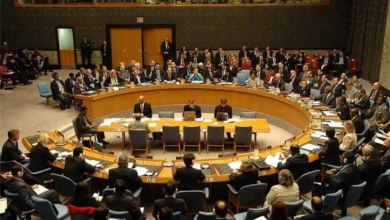
Washington is currently conducting consultations to explore the possibility of deploying nuclear weapons in additional European member states of the North Atlantic Treaty Organization.
According to a report published on Tuesday by the Financial Times, U.S. officials have expressed openness to the idea of expanding deployments beyond the six countries that currently host nuclear-capable bomber assets.
-
Washington warns that political Islam infiltration could pose a potential risk to Europe’s nuclear weapons
-
The Absent Yet Present in Alaska: Zelensky Heads to Washington as Europe Joins the Call
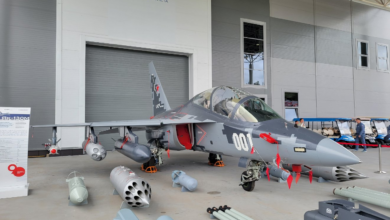
The initiative could involve allowing additional nations to host so-called U.S. dual-capable aircraft, which are able to carry out both conventional and nuclear strike missions. However, the newspaper emphasized that an agreement to expand the hosting of U.S. nuclear weapons does not appear imminent.
Several countries on NATO’s eastern flank, including Poland and certain Baltic States, have expressed interest in hosting potential bases for such aircraft. Discussions are reportedly taking place through NATO consultation channels.
Neither the White House, the United States Department of Defense, nor NATO responded to requests for comment.
-
How the Caspian Sea became a lifeline of weapons and food for Iran behind Washington’s back
-
Washington’s silence confuses allies: Is the U.S. pulling out of Europe?
U.S. President Donald Trump and many of his advisers have repeatedly criticized European allies for what they consider inadequate military spending and excessive reliance on the United States for conventional defense.
Previously, The Wall Street Journal reported that the Pentagon intends to significantly reduce the number of forces it plans to deploy to Europe during future crises.
Current and former officials familiar with the matter stated that Alexander Velez-Green informed NATO allies about the planned reductions during a closed-door meeting held last week at the Alliance’s headquarters in Brussels.
-
One Trillion Dollars: The Cost for Europe to Break Free from Washington’s Hammer
-
Washington Charts a New Course for Nuclear Negotiations with Tehran by Sidelining Europeans
This represents the latest step by the Trump administration toward reducing military support for NATO allies.
President Trump has repeatedly criticized Europe for its response to his policies regarding Iran and has frequently raised the possibility of a U.S. withdrawal from NATO.
NATO is preparing to hold a summit with Trump in Turkey next July. Alliance leaders intend to showcase increased European defense spending in an effort to satisfy the U.S. president’s demands.
Meanwhile, Washington plans to reduce its military presence in Germany by approximately 15 percent of its current force level of 36,000 troops. According to Pentagon spokesperson Sean Parnell, the withdrawal could be completed within the “next six to twelve months.”
-
Washington increases pressure on Russia by calling on European countries to arrest Putin
-
Diplomatic Summons and Warnings… Europe Responds to Russian Escalation in Ukraine