Israel Continues Strikes on Lebanon as a New Round of Negotiations Looms
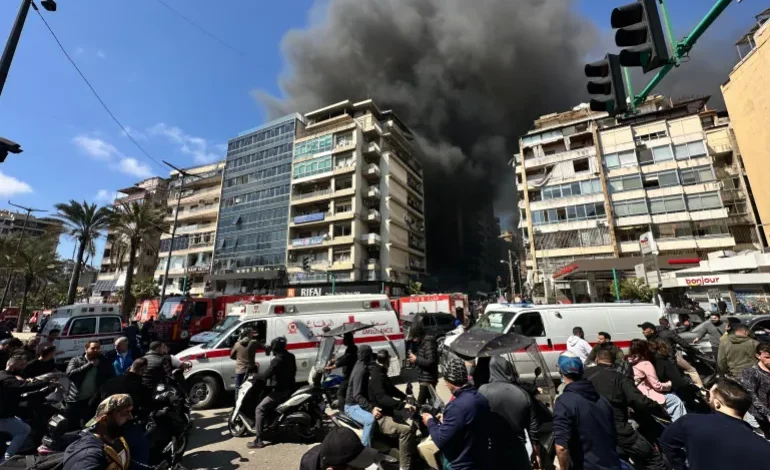
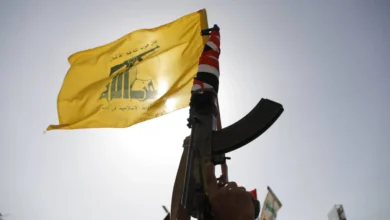
Israel continued its strikes on southern Lebanon on Tuesday and stated that it had come under attack from Hezbollah, despite U.S. President Donald Trump’s announcement that both sides had agreed to halt hostilities.
The developments come ahead of a new round of negotiations between Lebanon and Israel scheduled to take place in Washington. Observers hope the talks will help bring the current escalation to an end.
The Lebanese Embassy in Washington issued a statement on Monday night announcing that Hezbollah had agreed to a “mutual cessation of attacks” with Israel and that Israel had also accepted the arrangement. However, neither of the parties directly involved officially confirmed their commitment to the agreement.
At the same time, Lebanon and Israel, which do not maintain diplomatic relations, are set to hold a new round of direct talks in Washington on Tuesday and Wednesday. Hezbollah opposes these discussions. The meetings will be the fourth round of negotiations since the outbreak of the war in early March.
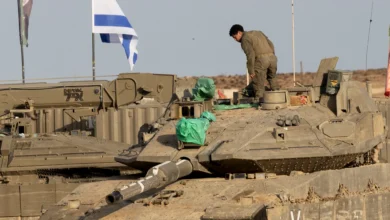
The Lebanese front, which opened between Israel and Hezbollah in the context of the conflict involving Iran, has witnessed significant escalation in recent days. The Israeli army has continued its advance into southern Lebanon and reached the strategic Chaqif Castle, marking its deepest incursion into Lebanese territory since its withdrawal from the country in 2000 after eighteen years of occupation.
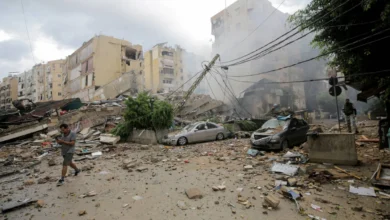
Israel has also recently intensified its airstrikes against several areas in southern Lebanon.
Israeli officials announced on Monday that the military would resume strikes on Beirut’s southern suburbs, which had remained largely spared from attacks since the ceasefire announced on April 17, a truce that achieved little tangible progress on the ground.
The announcement triggered a new wave of civilian displacement.
Proposal for a Halt to Attacks
During the night, the Lebanese Embassy in Washington issued a statement, later published by the Lebanese Presidency, saying: “Following a phone conversation between President General Joseph Aoun and U.S. Secretary of State Marco Rubio, Lebanese authorities received confirmation that Hezbollah had agreed to the American proposal calling for a mutual cessation of attacks.”
The statement further clarified the proposal, explaining that “Israeli strikes on Beirut’s southern suburbs would cease in exchange for Hezbollah refraining from carrying out attacks against Israel, with the ceasefire later expanding to cover all Lebanese territory.”
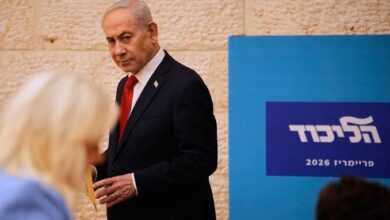
The statement added that the U.S. President contacted Lebanon’s Ambassador to the United States, Nada Mouawad, informing her that he had secured Israeli Prime Minister Benjamin Netanyahu’s approval of the proposed arrangement.
Shortly before that, Donald Trump wrote on his Truth Social platform that he had asked Netanyahu not to attack Beirut and that the Israeli leader had agreed.
Trump also stated that Hezbollah had agreed to “stop all firing,” adding: “Israel will not attack them, and they will not attack Israel.”
Nevertheless, the Israeli military announced early Tuesday that its air-defense systems had intercepted two projectiles launched from Lebanon toward northern Israel, without reporting any casualties.
Meanwhile, Lebanon’s National News Agency reported that Israeli airstrikes targeted several villages in southern Lebanon on Monday evening and overnight, killing six people in the village of Marouaniyeh, according to Civil Defense authorities.
Ali Hamdan, adviser to Lebanese Parliament Speaker Nabih Berri, a Hezbollah ally, told Agence France-Presse on Tuesday that “Nabih Berri’s primary demand is a comprehensive ceasefire. If such a ceasefire is achieved, it will guarantee Hezbollah’s commitment to abide by it.”