Yemen Crisis: UN Warns of the Risk of a Large-Scale Conflict
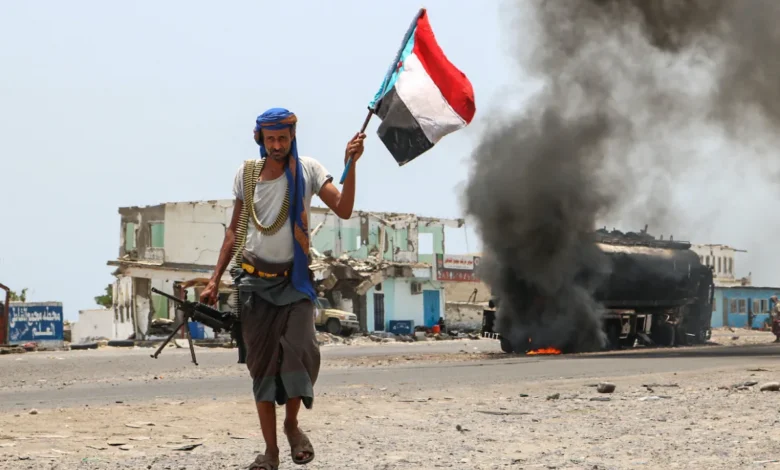
UN High Commissioner for Human Rights Volker Türk has called for the “immediate cessation” of any attack that could plunge Yemen back into a “large-scale conflict.”
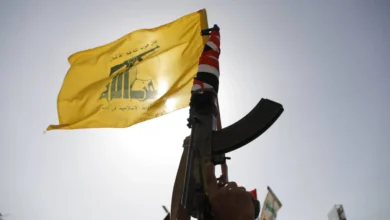
Yemen became the latest front last month in the context of the U.S.-Iranian war in the Middle East, after the Houthis intensified their attacks across the region.
-
$20 million from Saudi Arabia to ease Yemen food crisis
-
Yemen’s government denounces the Houthis’ virulence; the fuel crisis is fake
In a statement, Türk said: “I call on all parties to de-escalate tensions and spare the Yemeni people further suffering. The Yemeni people have already suffered enough from the devastating legacy of years of conflict, displacement and humanitarian crises.”
He called for “the immediate cessation of any action that could threaten to plunge Yemen back into a large-scale conflict.”
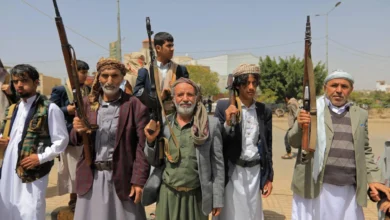
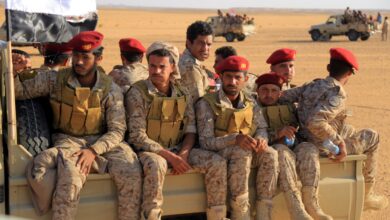
Earlier this month, the Houthis carried out their deadliest attacks in years, killing 58 soldiers from the internationally recognized government forces, according to a military source. The attacks were concentrated mainly in the oil-rich province of Marib.
-
Yemeni analyst reveals Houthi and al-Qaeda plots to prolong Yemen’s crisis
-
Houthi Militia obstructs solving Yemen’s SAFER oil tanker crisis
Two civilians were also killed on the same day in Houthi shelling targeting residential areas and displacement camps in Marib.
The United Nations Human Rights Office said that at least seven civilians had been killed and another ten wounded in Houthi attacks on areas controlled by the internationally recognized government since August 6. Meanwhile, reports indicated that two civilians were wounded in Houthi-controlled areas in late July.
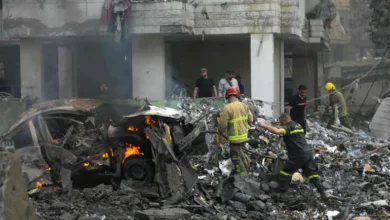
The UN Human Rights Office also reported Houthi missile and drone attacks on the Red Sea city of Mokha on August 9. The attacks killed three port workers and wounded four others.
-
Yemen’s crisis have been exacerbated by Houthi militia and the Ukraine war
-
Yemen: Fuel crisis plagues Houthi-controlled areas
It added that another attack carried out by the rebels against a commercial vessel in the Bab el-Mandeb Strait on August 11 reportedly killed four crew members — three Pakistanis and one Indonesian — and wounded several others.
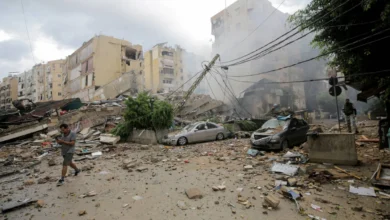
The UN Human Rights Office said that several civilian sites had also come under attack during the assaults, including fuel-storage facilities and a residential compound belonging to the Saudi field hospital in Mokha.
Volker Türk stressed that “attacks on civilian infrastructure threaten to further exacerbate civilian suffering, at a time when at least 18 million Yemenis are already facing food insecurity.”
“These attacks must stop immediately,” he said.
-
Calls for Decisive Action and Mobilization Revive the Specter of War in Yemen
-
The Erosion of Deterrence in Yemen: How Riyadh’s Conciliatory Strategy Strengthened the Houthis at the Expense of Its Southern Allies
-
How do the Muslim Brotherhood prevent the recovery of Taiz and sabotage the Joint Operations Room in Yemen?