FIFA Head of Refereeing: Neither Infantino nor Anyone Else Interferes!
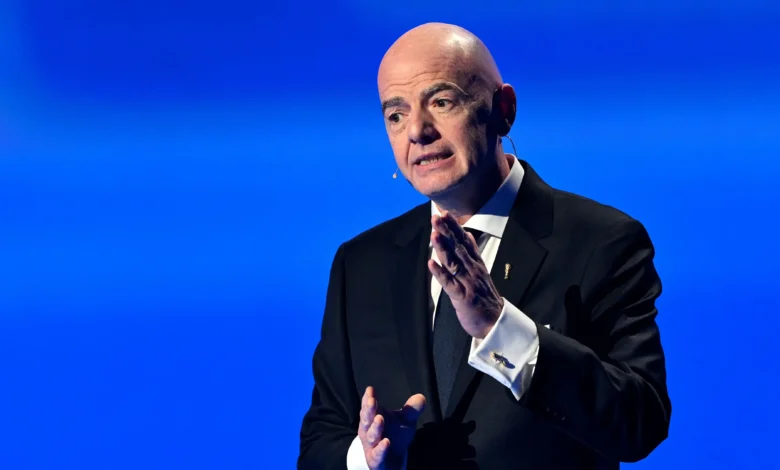
Pierluigi Collina defends the integrity of the officiating in the Argentina–Egypt match, affirming the complete independence of match officials while justifying both the disallowed Egyptian goal and the decision not to award a foul in Mohamed Salah’s favor before Argentina’s winning goal.
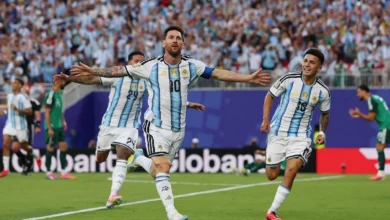
Pierluigi Collina, Chairman of the FIFA Referees Committee, has defended the officiating in Argentina’s 3–2 victory over Egypt in the Round of 16 of the FIFA World Cup, rejecting allegations of bias and insisting that match officials perform their duties with complete independence.
In an interview published on FIFA’s official website on Thursday, Collina stated that criticism of referees is an inherent part of football, but strongly condemned attempts to question their integrity following Egypt’s complaints about the officiating after its defeat.
“Constructive discussion about refereeing decisions will always be part of football, but unfounded allegations have no place in our sport,” Collina said.
He further explained that such accusations could lead to threats against referees and even their family members.
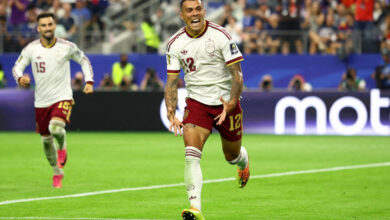
Egypt exited the tournament believing it had been treated unfairly by the officiating after Argentina overturned a two-goal deficit to secure a dramatic victory, sealed by Enzo Fernández’s stoppage-time winning goal.
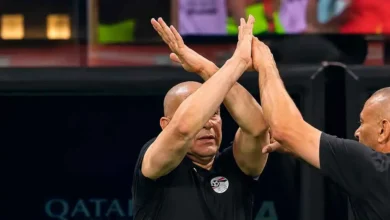
Following the match, Egypt head coach Hossam Hassan claimed that the referee might have been subjected to pressure to keep Argentina in the tournament. Meanwhile, the Egyptian Football Association expressed “its profound dissatisfaction with the performance of the refereeing team that officiated the Egypt–Argentina match, as well as with certain Video Assistant Referee (VAR) decisions that raised numerous questions.” The association added that it remained committed to defending the rights of the national team and would pursue all procedures available under FIFA regulations to safeguard fairness and the integrity of the competition.
Egypt argued that Mostafa Abdel Raouf “Zizo”‘s second-half goal was incorrectly disallowed for an alleged foul during the attacking build-up, insisting that no infringement had actually occurred. The team also strongly objected to the referee’s failure to award a foul in Mohamed Salah’s favor following a challenge against him moments before the move that resulted in Argentina’s winning goal.
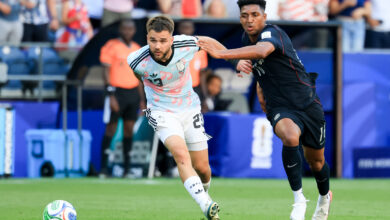
Collina explained that the Video Assistant Referee had correctly recommended disallowing Zizo’s goal after identifying a foul committed by Marwan Attia against Argentine defender Lisandro Martínez during the attacking phase leading to the goal.
“A foul remains a foul. Regardless of whether it appears to be ‘clear,’ if the referee on the field does not see it, the Video Assistant Referee is entitled to intervene,” Collina stated.
He also defended the decision not to award Egypt a penalty before Argentina’s decisive goal, explaining that both the on-field referee and the Video Assistant Referee assessed the contact between Mohamed Salah and Julián Álvarez as “a normal football challenge.”
While acknowledging that some refereeing decisions inevitably remain open to interpretation and subjective judgment, Collina emphasized that FIFA is satisfied with the way the principles governing the Video Assistant Referee system have been applied throughout the tournament.