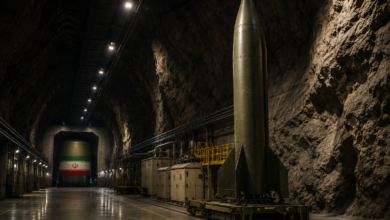
Attacks on Iran Push Oil Prices Up by More Than 4%
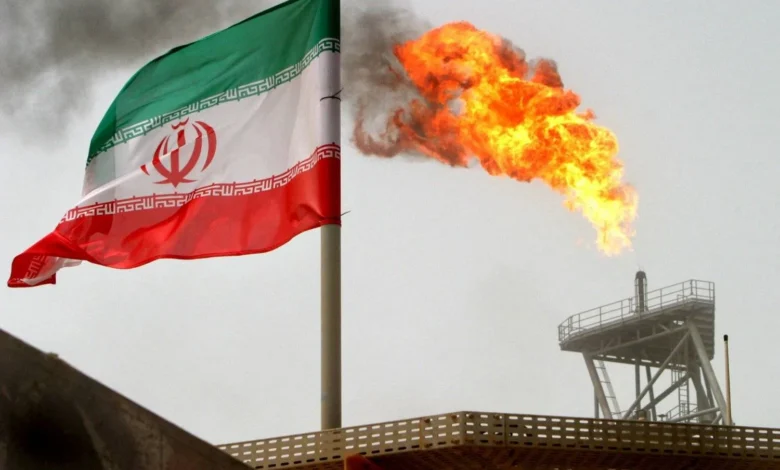
Concerns are mounting over the possible return of inflationary pressures, as the consequences of rising crude oil prices are expected to extend well beyond the fuel sector to affect production costs, transportation, agriculture, and manufacturing industries.
Oil prices surged by more than 4.2% on Monday following a new wave of U.S. airstrikes against Iran and Tehran’s closure of the Strait of Hormuz—the strategic maritime corridor through which nearly one-fifth of the world’s energy supplies pass and which is crossed daily by hundreds of commercial vessels. The developments have raised fears of widespread economic, social, and political repercussions.
Brent crude futures climbed to approximately $79.2 per barrel, while U.S. crude futures rose by 4.3% to around $74.5 per barrel after the United States Central Command (CENTCOM) announced that it had carried out additional strikes against Iran.
The increase in oil prices has renewed concerns about another period of instability in global energy markets. Any prolonged escalation in the Gulf could threaten oil and natural gas flows, increase transportation and marine insurance costs, and quickly translate into higher prices for goods and services worldwide.
Approximately one-fifth of global oil supplies, in addition to substantial volumes of liquefied natural gas (LNG), transit through the Strait of Hormuz. Consequently, any threat to maritime traffic in the waterway has a significant impact on global markets, even before any actual disruption to energy supplies occurs.
The rise in crude oil prices has also heightened concerns about renewed inflationary pressures, particularly in economies that rely heavily on imported energy. Higher oil prices affect not only fuel costs but also production, transportation, agriculture, and manufacturing expenses.
Should prices continue to rise, airlines as well as land and maritime transportation companies may face substantially higher operating costs, potentially prompting them to increase service prices in order to offset the growing cost of fuel.
Energy-intensive industries, including petrochemicals, fertilizers, and metals production, could also be significantly affected, as energy constitutes a major component of their production costs. This could ultimately result in higher prices for finished goods paid by consumers.
The aviation industry remains among the sectors most vulnerable to fluctuations in oil prices, since jet fuel represents a substantial portion of airlines’ operating expenses. Any sustained increase in crude prices could compel airlines to revise ticket prices or reduce services on less profitable routes.
Maritime shipping companies also face additional challenges due to rising marine fuel costs and higher insurance premiums resulting from security risks along critical shipping lanes, potentially leading to increased freight costs worldwide.
Although the current rise in oil prices primarily reflects geopolitical concerns, the market’s direction in the coming weeks will largely depend on whether the confrontation expands further and whether it has a tangible impact on oil production or export flows.
Investors are closely monitoring developments in the Gulf, particularly those concerning the Strait of Hormuz, amid fears that any major disruption to maritime navigation could trigger an even sharper increase in oil prices, revive scenarios reminiscent of previous global energy crises, and intensify pressure on governments and central banks striving to contain inflation.