Netanyahu Reassesses His Options for Striking Iran: From Waiting to a Preemptive Strike
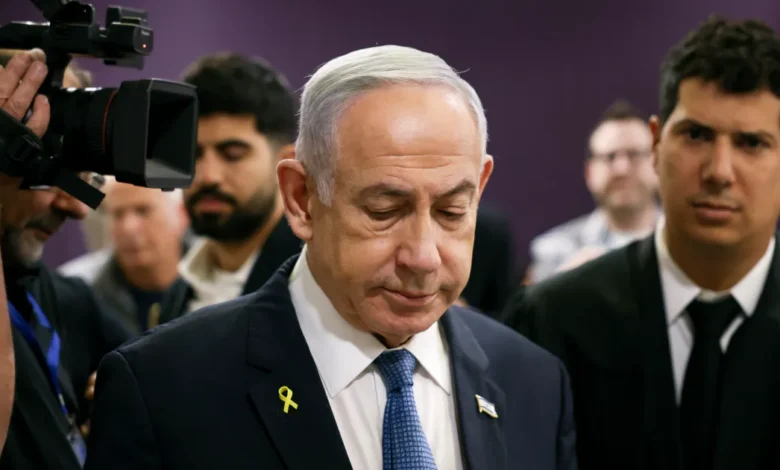
Israel is closely monitoring the course of the escalating confrontation between the United States and Iran while simultaneously raising its military readiness and preparing operational plans for any potential involvement.
Three Israeli sources as saying that Tel Aviv was on high alert and preparing operational plans for a possible escalation in the U.S.-Iran conflict.
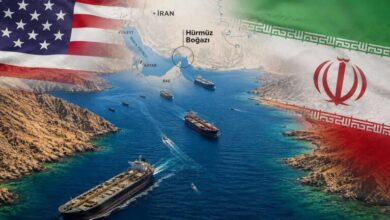
The sources explained that Israel had not directly participated in the renewed round of fighting that began in early July following Iranian attacks in the Strait of Hormuz, and that Washington had not yet asked Israel to join the campaign.
One of the sources said that if U.S. President Donald Trump decided to significantly expand the scope of the strikes and called on Israel to join them, « we will be ready ».
A Security Meeting
According to another source, Israeli Prime Minister Benjamin Netanyahu held a limited security meeting on Monday evening to review the latest developments concerning Iran.
The meeting discussed several scenarios that could prompt Tel Aviv to enter the confrontation, including « joining the campaign at the request of the United States », « an Iranian move that would require an Israeli response », or « Tel Aviv launching a preemptive strike to prevent what it considers an imminent threat ».
On Sunday, Israeli military Chief of Staff Eyal Zamir reaffirmed the readiness of his forces, saying: « We are ready to immediately return to combat, and we will act with great force against anyone who harms us. »
Maintaining the Status Quo
Despite the state of maximum alert, Israel currently believes that it is in its interest to maintain the existing situation — namely, to stay out of direct confrontation while the United States and Iran continue exchanging strikes — at a time when the prospects of reaching a nuclear agreement are declining and economic pressure on Tehran is increasing, according to one of the sources.
In this regard, Israeli Finance Minister Bezalel Smotrich, who participated in the security consultations, said on Tuesday: « At present, Israel does not want to join this campaign. »
Speaking at a press conference, Smotrich added that « the limited confrontation between Iran and the United States serves Israeli interests, as it increases pressure on the Iranian regime ».
He argued that « the best way to bring down the Iranian regime is to crush it economically. Therefore, the current situation serves our interests, and we do not want to drag ourselves into it. »
Another source said that the Israeli assessment indicated that recent U.S. strikes on bridges inside Iran had dealt a severe blow to the country’s transportation and trade networks. The source added that « the Iranian economy is collapsing, and this will ultimately further weaken the regime ».
Israel’s Targets If It Joins the Conflict
Against this backdrop, a senior Israeli official told CNN that the possibility of an escalation in attacks in the Strait of Hormuz and Israel being drawn into another round of fighting had increased in recent days, although the situation remained fluid as Tel Aviv monitored regional mediation efforts aimed at containing the crisis.
If Israel ultimately joins the fighting, it will seek, according to an Israeli official, to « strike critically important targets, particularly energy infrastructure and nuclear facilities ». These were targets « that Israel had wanted to strike since the March campaign, but Trump prevented it from doing so ».
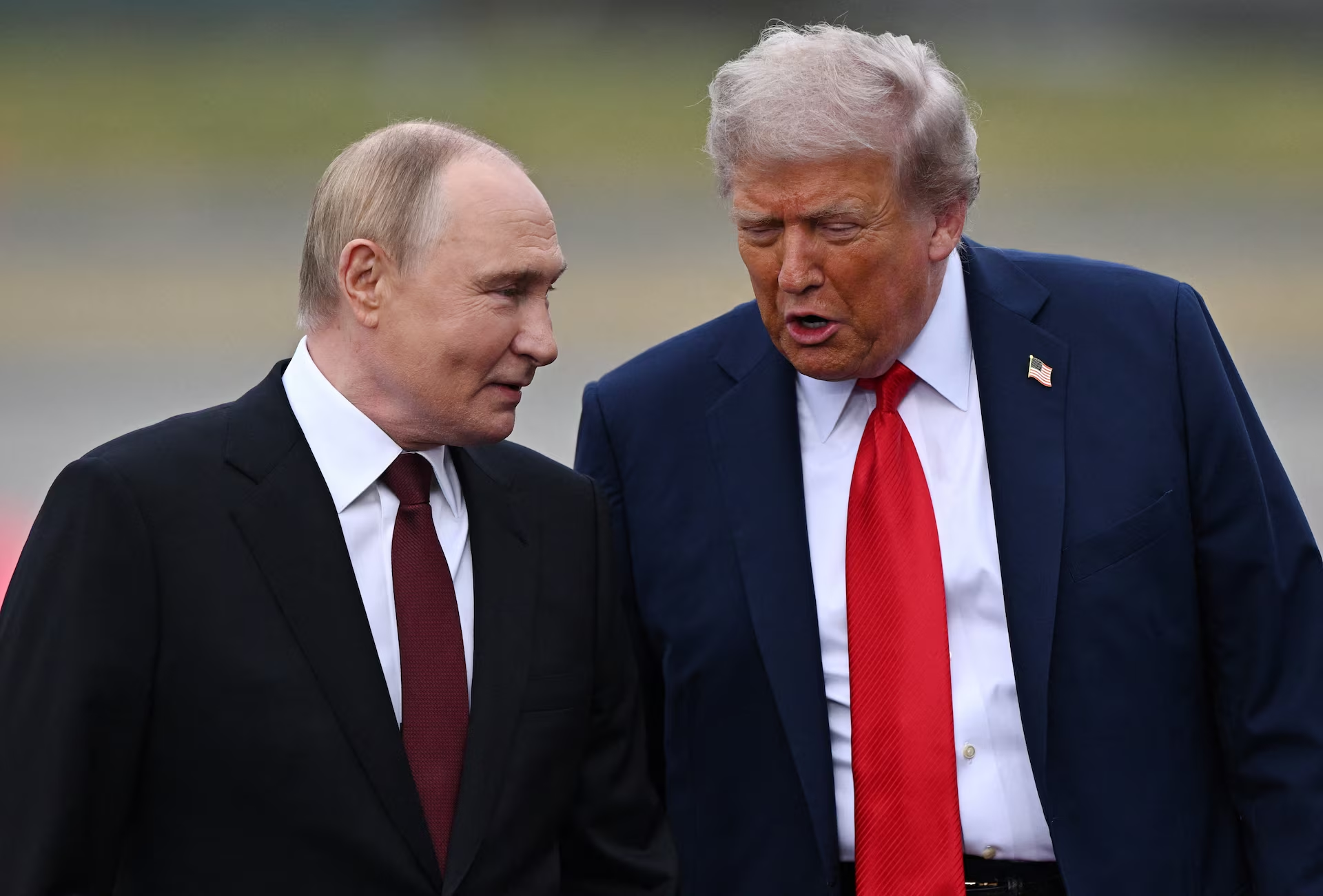
At the height of the escalation, Netanyahu has been attempting for several weeks to arrange a direct meeting with Trump, according to sources, although no date has yet been set.
Trump and Netanyahu have not met face-to-face since February, before the joint strikes against Iran.
One source said that Netanyahu was considering traveling to the United States next week to attend the funeral of Senator Lindsey Graham and was exploring the possibility of arranging a meeting with Trump during the visit.