Shipping Continues, We Control the Strait: US Rejects Iran’s Claims over Hormuz
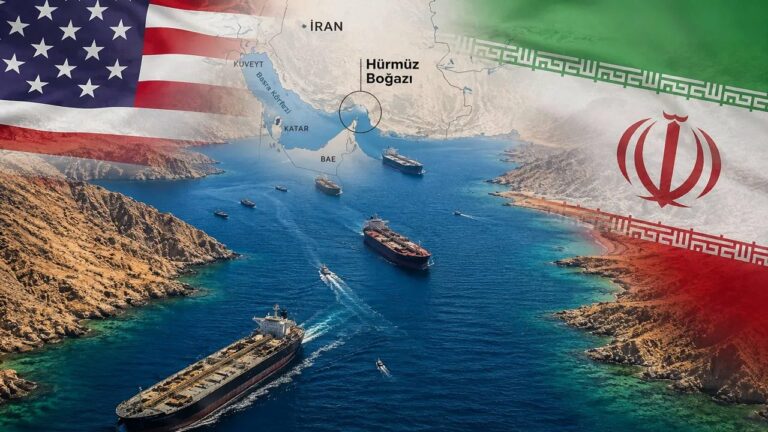
US Central Command on Thursday rejected Iran’s claims that it controlled the Strait of Hormuz, which Tehran had purportedly declared “closed”.
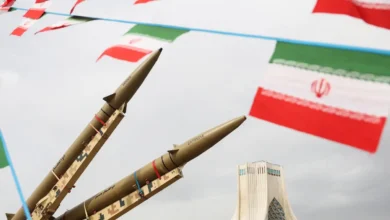
In a post on its X account, US Central Command said an Iranian Revolutionary Guard general had claimed in media reports that “the Strait of Hormuz is closed” and that Iran exercised “complete control over it”. The command said “this claim is false”.
In its statement, US Central Command stressed that “shipping is currently continuing through the Strait of Hormuz, carrying commercial goods and energy supplies, including 20 million barrels of crude oil”.
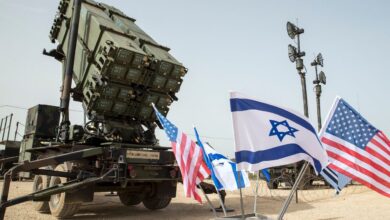
It added that “the United States and its regional partners clearly maintain firm control over the strait”.
Options for Strikes Against Iran
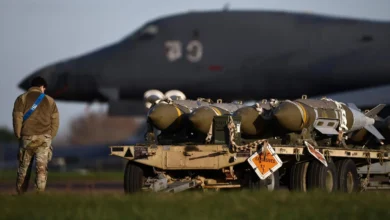
The US Department of Defense is considering options for strikes against Iranian targets before the midterm elections scheduled for 3 November.
The deliberations follow a White House request for military plans that could be carried out before the vote, according to administration officials who spoke to The Atlantic. No final decision has been made on whether to launch the strikes, their scale or their targets.
The discussions come several weeks after US strikes on Iran ceased, with the period of relative calm coinciding with the final stretch of the midterm election campaign.
The prevailing assumption had been that President Donald Trump would favour maintaining the lull until the elections to avoid bringing an unpopular war and rising fuel prices back to the centre of the electoral debate.
A Limited Strike
According to administration officials, the request to prepare military options reflects Trump’s desire to lower fuel prices and demonstrate progress in the war before Americans go to the polls.
US Central Command is drawing up plans for potential strikes, while the scope and objectives of the operations remain under discussion. Supporters of military action believe a limited strike could allow Trump to project strength and possibly declare some form of victory, giving Republicans momentum ahead of the elections.
Even supporters of these options acknowledge, however, that limited strikes alone would not be enough to bring Iran to the negotiating table, restore safe passage through the Strait of Hormuz or lower fuel prices before election day.
Attacks on Oil Tankers
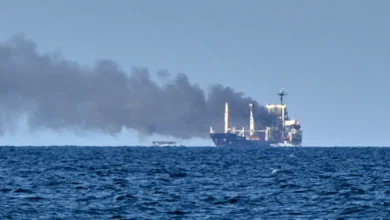
Maritime security sources had earlier reported that attacks on oil tankers transiting the Strait of Hormuz had reached their highest weekly level since the Iran war began.
In a note issued on Sunday, the US Navy-led Joint Maritime Information Center reported continuing attacks, attempted attacks and harassment by Iran’s Revolutionary Guard in the strait. These activities included drone flights for surveillance and reconnaissance, as well as contact with ships over high-frequency radio.
“These actions continue to demonstrate Iran’s intention to assert its presence along the main transit routes and maintain pressure on vessels passing through,” the centre added.
Data compiled by three maritime security providers from reports originating in the region indicate that oil, liquefied natural gas and liquefied petroleum gas tankers suffered at least twelve attacks in and around the Strait of Hormuz between 28 September and 5 October.
The sources said this was the highest number of attacks recorded in a single week since the Iran war began on 28 February.
Independent data compiled by the International Maritime Organization also recorded nine incidents involving vessels in the region during the same week.
Maritime sources say the UN agency generally takes longer to verify incidents and formally record them.
Separate International Maritime Organization data show that the week ending on 13 July came closest to that level of comparable incidents, with eight events involving vessels.