Venezuela Angered by Iran: Diplomatic Tensions Erupt After Araghchi’s Offensive Remarks
Relations between Caracas and Tehran have entered a sudden period of tension following remarks by Iranian officials that prompted Venezuela to summon the Iranian ambassador and issue a formal protest note.
In a statement published on social media, Venezuela’s Foreign Ministry announced that it had summoned the Iranian ambassador in Caracas following remarks from Tehran that were deemed “offensive and inappropriate.”
The statement read: “The Iranian ambassador to Venezuela was summoned to the Venezuelan Foreign Ministry to be handed a note of protest concerning offensive and inappropriate remarks directed at Venezuelan institutions and authorities.” The ministry did not disclose the substance of the remarks.
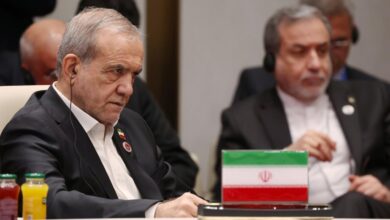
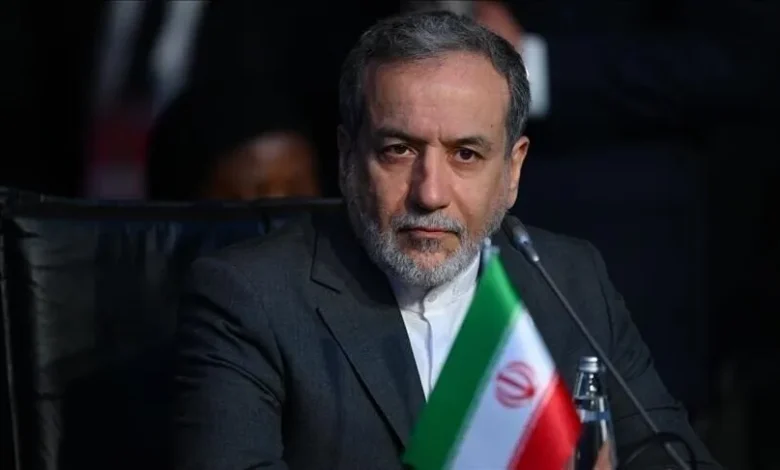
According to media reports and widely circulated video clips, the move followed comments by Iranian Foreign Minister Abbas Araghchi, who, while discussing negotiations with the United States, reportedly said, “Iran is not Venezuela,” a statement that Caracas viewed as a direct insult.
A Turning Point
The deterioration in relations between Venezuela and Iran marks a turning point, as the two countries had been close allies since former President Hugo Chávez came to power in 1999, united by shared political positions and opposition to the United States.
Over the past three decades, the two countries have maintained close cooperation, signing major agreements in sectors including petrochemicals, mining, healthcare, and education, although the details of these agreements were not made public.
In 2020, Iran sent 1.5 million barrels of gasoline to Venezuela, which was facing a severe economic crisis and lacked the capacity to refine its own oil.
That same year, the first major Iranian store was opened in Caracas, which was under U.S. sanctions.
In May 2025, Iran sent more than two million doses of polio and hepatitis vaccines to Venezuela, at a time when Caracas was complaining of difficulties in obtaining vaccines because of U.S. sanctions.
However, the course of bilateral relations has shifted in recent months, after Venezuelan authorities resumed diplomatic contacts with Washington following the detention of President Nicolás Maduro by the U.S. military in early January. Observers have viewed the move as a sign of a potential political realignment that could affect Caracas’s relations with its traditional allies, particularly Iran.