What Health Risks Can Damaged Canned Foods Cause?
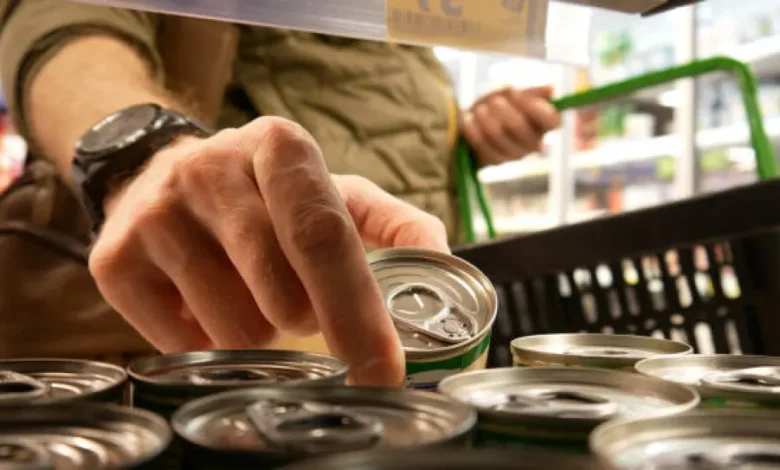
Canned foods are generally considered a safe and convenient source of nutrition when they are properly manufactured, stored, and consumed before their expiration date. However, canned products that are dented, swollen, rusted, leaking, or otherwise damaged may pose significant health risks. Food safety experts strongly advise against consuming food from compromised cans because their protective seal may no longer be intact.
A can is designed to provide an airtight barrier that prevents microorganisms and oxygen from entering the food. When this seal is damaged, bacteria, yeasts, or molds can contaminate the contents and multiply. In some cases, contamination may occur without causing noticeable changes in the food’s appearance, smell, or taste.
One of the most serious risks associated with damaged canned foods is botulism, a rare but potentially life-threatening illness caused by the toxin produced by the bacterium Clostridium botulinum. This bacterium can grow in low-oxygen environments, particularly when the integrity of the can has been compromised. Symptoms may include blurred vision, difficulty swallowing or speaking, progressive muscle weakness, and, in severe cases, paralysis affecting the muscles responsible for breathing.
Swollen cans are considered a major warning sign. The swelling often results from gas produced by bacterial growth inside the container, indicating possible contamination. Likewise, cans with punctures, leaks, damaged seams, or extensive rust should never be opened or consumed.
Damaged canned foods may also harbor other harmful bacteria responsible for foodborne illnesses, including Salmonella, Escherichia coli, and Listeria, depending on the type of food and storage conditions. These infections can lead to nausea, vomiting, diarrhea, abdominal pain, fever, and dehydration.
Even a dent can become a safety concern if it is located near the seams or the lid, where it may compromise the airtight seal. In contrast, a small superficial dent on the side of the can without cracks, leaks, or rust is generally considered less hazardous, although the can should still be carefully inspected before use.
Proper storage also plays a crucial role in food safety. Canned foods should be kept in a cool, dry place away from excessive humidity and extreme temperature fluctuations. Prolonged exposure to heat or moisture can accelerate corrosion and weaken the container over time.
Before opening a can, consumers should carefully inspect its exterior for signs of damage. After opening, any unusual odor, discoloration, foaming, leaking liquid, or abnormal texture should be treated as evidence that the food is unsafe. Suspect food should never be tasted to determine whether it is safe to eat.
Food safety authorities emphasize that if there is any doubt about the condition of a canned product, it is safest to discard it. The cost of replacing a damaged can is insignificant compared with the potentially severe consequences of foodborne illness.
Overall, canned foods remain among the safest preserved food products when properly processed and stored. Nevertheless, routinely checking cans for signs of damage and discarding any compromised containers are simple yet highly effective measures for preventing food poisoning and protecting overall health.