Washington Anticipates Wider Escalation by Reinforcing Its Military Presence in Israel
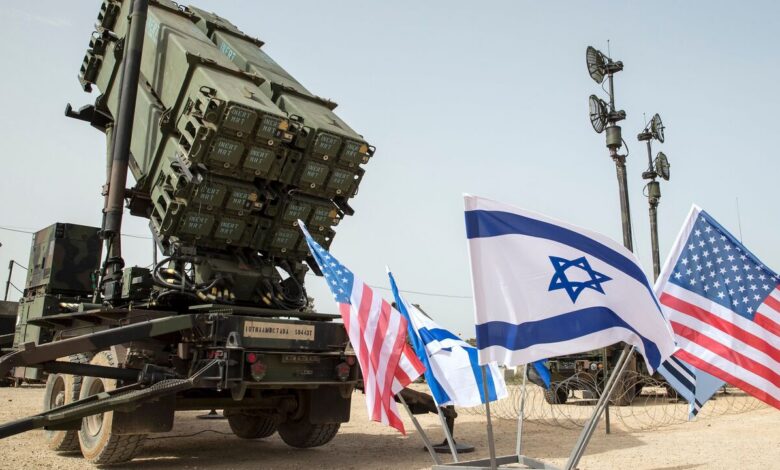
Washington is raising its state of readiness amid concerns over a possible military deterioration between Israel and Iran and the consequences it could have for US forces and facilities across the region.
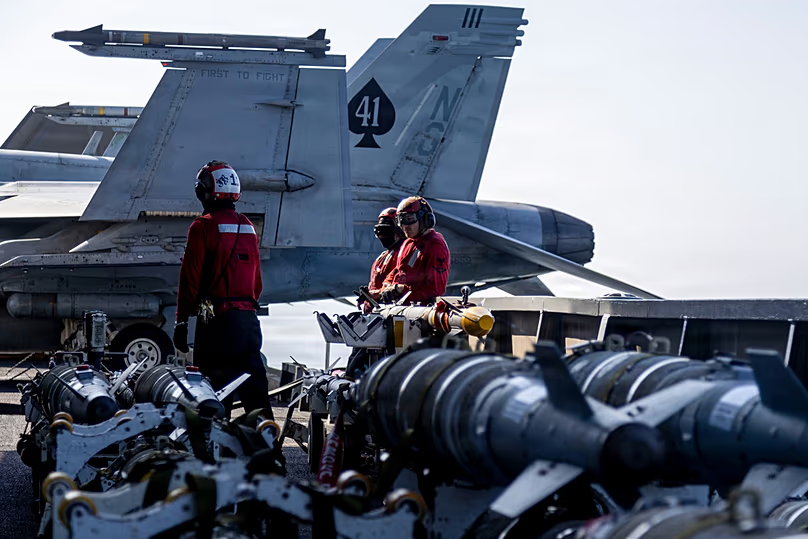
The United States is preparing to send additional troops and aircraft to Israel over the coming weeks, according to the Israeli news website Walla. The move reflects a heightened level of US military readiness in anticipation of a possible new escalation in the Middle East, as tensions between Washington and Tehran persist and Israel keeps its forces on alert for potential confrontation scenarios involving Iran.
-
The widening gap between Washington and Israel over Gaza’s future
-
Washington confronts staggering militarization in Gaza and an irrational Israeli policy
Citing unnamed security sources, the website reported that the US military intends to deploy reinforcements, including personnel and aircraft, to Israel over the coming weeks as part of preparations for a potential regional escalation.
According to the same source, approximately 3,000 American troops are currently stationed in Israel. They reportedly perform a range of duties, including operating air-defence systems. Pilots, support crews, logistics units and personnel deployed at military headquarters are also believed to form part of the US presence.
Some of the current movements are reportedly connected to routine troop rotations as several American units complete their deployment periods in the region. However, the sources said that the arrival of additional forces and aircraft over the coming weeks goes beyond a standard rotation and should be viewed in the context of preparations for a possible escalation in the Middle East.
-
Washington Expands Secret Mechanisms to Supply Weapons to Israel: Experts Warn of Catastrophic Consequences
-
Washington Plans to Deploy Fighters and Destroyers in the Region to Defend Israel
The move carries greater significance given Washington’s recent strengthening of its military presence across the region. Reports have indicated that additional troops and naval assets are being deployed amid continuing tensions with Iran.
The United States has already expanded its military presence in Israel in recent months, including through the deployment of aircraft, ground crews and air-defence systems, in preparation for the possibility of renewed confrontation with Tehran.
The announcement of additional reinforcements does not necessarily mean that a decision to enter into conflict has been made. It does, however, indicate that Washington regards military deterioration as a scenario requiring preparation, particularly given the potential consequences of an Israel-Iran confrontation for American forces and facilities across the region.
-
Washington denies using floating dock in rescue of Israeli hostages and announces completion of aid deliveries
-
Washington Tests Military Capabilities Amid Escalation Between Israel and Iran
The move coincides with continued Israeli preparations for the possibility of a new confrontation with Iran or a rapid deterioration in the regional situation. According to Walla, the Israeli military is focusing part of its planning on the types of operations that could be conducted if the conflict expands, including the identification of potential targets inside Iran.
These preparations are taking place alongside continued military coordination with the United States Central Command, Centcom, in anticipation of possible Iranian missile attacks.
Walla also quoted a senior Israeli security official as saying that Israel’s adversaries are closely monitoring elections in both Israel and the United States and are considering whether to launch attacks intended to influence the political landscape without triggering a full-scale confrontation.
-
$38 Billion: The Cost of the War Against Iran for Washington
-
Trump Announces Ceasefire Between Israel and Iran
These assessments reflect Israeli concerns that the sensitive political period could be exploited for limited operations that might nevertheless provoke military responses that would be difficult to contain.
The US military deployment comes as Tehran continues to keep the diplomatic channel open. Iranian Foreign Minister Abbas Araghchi has said that his country remains prepared to pursue diplomacy in search of a fair solution.
However, significant differences remain between the American and Iranian positions, particularly after Tehran presented conditions related to reopening the Strait of Hormuz that US President Donald Trump said Washington had not accepted.
-
U.S. Military Delegation to Visit Lebanon to Prepare for Israeli Withdrawal
-
The Rafah Brigade Remains a Military Challenge for the Israeli Army in Gaza
Calculations surrounding a potential escalation extend beyond a direct confrontation between Iran and Israel to other regional theatres, particularly Yemen.
According to Walla, assessments within the Israeli military suggest that a confrontation with the Houthis could affect broader regional alliances and understandings, including relations between Saudi Arabia and the United Arab Emirates, as well as issues connected to Iranian influence in Lebanon.
These developments indicate that the expected US reinforcements form part of a broader reorganisation of military readiness across the Middle East. While diplomatic channels remain open, Washington and Tel Aviv are simultaneously preparing for the worst-case scenarios.
The coming weeks will therefore test whether political efforts can prevent the region from moving beyond deterrence and military preparedness towards open confrontation.
-
Verbal confrontation between Ben-Gvir and Military leaders reveals the scale of Israeli division
-
Military Encirclement and Targeted Killings: Israel Reshapes Its Operational Doctrine in Gaza