What Happens to Blood Sugar When You Walk After Dinner?
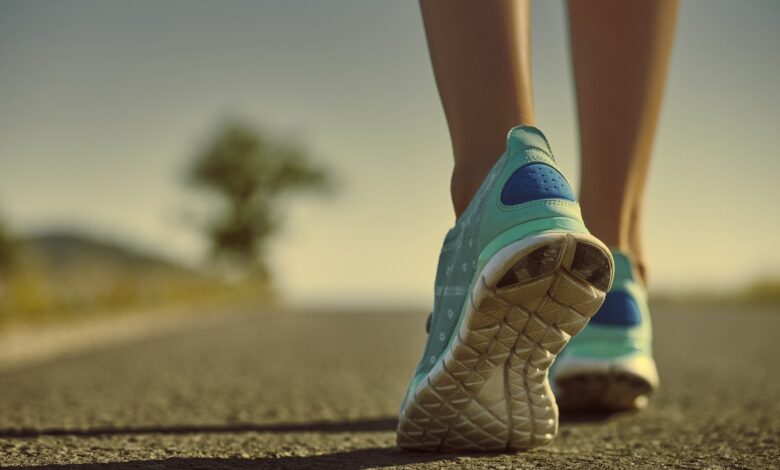
Taking a walk after dinner can have a beneficial effect on blood glucose regulation. This simple habit encourages the muscles to use some of the glucose circulating in the bloodstream, which may help limit the rise in blood sugar that normally occurs after eating. It may be particularly useful for people with type 2 diabetes, although healthy individuals can also benefit from regular post-meal activity.
-
Here’s What Happens to Your Blood Sugar When You Eat Pineapple Regularly
-
How Does Dehydration Affect Blood Sugar Levels?
After a meal, carbohydrates are digested and converted into glucose, which enters the bloodstream. As blood glucose rises, the pancreas releases insulin. This hormone helps glucose move from the bloodstream into cells, where it can be used for energy or stored for later use.
Walking changes this process by increasing glucose uptake by the muscles. During physical activity, muscles require additional energy and become more effective at taking up glucose from the bloodstream. As a result, some of the available glucose is used by muscle cells, potentially reducing the size of the blood sugar spike that typically occurs after a meal.
-
What Happens to Blood Sugar Levels When You Eat Mango Daily?
-
How You Can Lower Blood Sugar Naturally
The timing of the walk may also matter. Light physical activity started relatively soon after eating can be particularly useful because it coincides with the period when blood glucose begins to rise. Even a short walk may help moderate this increase, especially when it becomes a consistent part of a daily routine.
For people with type 2 diabetes, post-meal walking may support better blood glucose control. Physical activity also improves insulin sensitivity, meaning that cells can respond more effectively to insulin and use glucose more efficiently. Over the long term, regular exercise can therefore contribute to improved metabolic health.
-
Post-Meal Squats: A Natural and Effective Way to Regulate Blood Sugar Levels
-
Can Kidney Stones Cause High Blood Pressure?
Walking after dinner may provide additional cardiovascular benefits. Regular physical activity supports healthy body weight, blood pressure, and several cardiovascular risk factors. It may also aid digestion and improve sleep quality in some people, provided the activity is not excessively intense shortly before bedtime.
A long or strenuous workout is not necessary to obtain these benefits. A gentle or moderate-paced walk can stimulate the muscles and increase glucose use. Consistency is generally more important than intensity, and the appropriate duration and pace should be adapted to each person’s physical condition.
-
High Blood Pressure, Cholesterol, and Obesity: The Potential Health Effects of Eating Late at Night
-
30 Days Without Sugar: What Happens Inside Your Body?
People who use insulin or certain glucose-lowering medications that can cause hypoglycemia should take additional precautions. Physical activity after a meal can sometimes lower blood glucose more than expected. In such cases, glucose monitoring and individualized medical advice are important to determine the safest level and timing of exercise.
Walking should not be considered a replacement for a balanced diet or prescribed diabetes medication. The amount and type of food consumed remain major determinants of post-meal blood glucose levels. Instead, a short walk after dinner can be viewed as a practical lifestyle habit that complements an overall approach to metabolic health.
-
What Happens to Your Body When You Stop Eating Added Sugar?
-
Can Skin Discoloration After Air Travel Signal a Dangerous Blood Clot?
Overall, walking after dinner encourages muscles to use more glucose and may therefore reduce the rise in blood sugar following a meal. When practiced regularly, this simple form of physical activity can support insulin sensitivity and blood glucose management while providing broader benefits for cardiovascular and overall health.
-
Magnesium May Help Lower Blood Pressure and Support Heart Health
-
What happens to your blood pressure when you eat whole wheat bread?