Can Skin Discoloration After Air Travel Signal a Dangerous Blood Clot?
Air travel has become an essential part of modern life. Millions of people travel long distances every day for business, tourism, education, or family reasons. Although flying remains one of the safest forms of transportation, prolonged air travel can be associated with certain health risks, particularly circulatory disorders.
Among the symptoms that may appear after a long flight, changes in skin color—especially in the legs or feet—can sometimes be concerning. In some cases, this symptom may indicate deep vein thrombosis (DVT), a potentially serious condition that can lead to pulmonary embolism.
However, medical experts emphasize that not every skin discoloration is related to a blood clot. Understanding the underlying mechanisms can help identify situations that require prompt medical attention.
-
Itchy skin: an early warning sign of kidney disease
-
Do collagen supplements change the rules of skincare?
Why Can Air Travel Increase Circulatory Risks?
During long flights, passengers often remain seated for many consecutive hours in confined spaces.
This prolonged immobility can lead to:
- Reduced venous blood return.
- Blood pooling in the lower limbs.
- Decreased muscle activity in the legs.
- Increased risk of clot formation.
The calf muscles normally act as a natural pump that helps blood return to the heart. When these muscles remain inactive for extended periods, blood can accumulate in the deep veins.
In susceptible individuals, this situation may encourage the formation of a thrombus, commonly known as a blood clot.
What Is Deep Vein Thrombosis?
Deep vein thrombosis is a condition characterized by the formation of a blood clot inside a deep vein, usually in the leg or thigh.
This condition may cause:
- Localized pain.
- Swelling in one limb.
- A feeling of warmth.
- Redness or abnormal skin coloration.
The greatest danger occurs when part of the clot breaks free and travels to the lungs, causing a pulmonary embolism, a potentially life-threatening medical emergency.
-
How diabetes slowly affects the skin, eyes, and nerves
-
Reducing Sugar for Better Skin: Boosting Elasticity and Soothing Acne
Why Can the Skin Change Color?
Skin discoloration is one possible sign of impaired blood circulation.
When a blood clot partially or completely blocks a vein, blood cannot circulate normally.
This disruption may cause:
- Reddish discoloration.
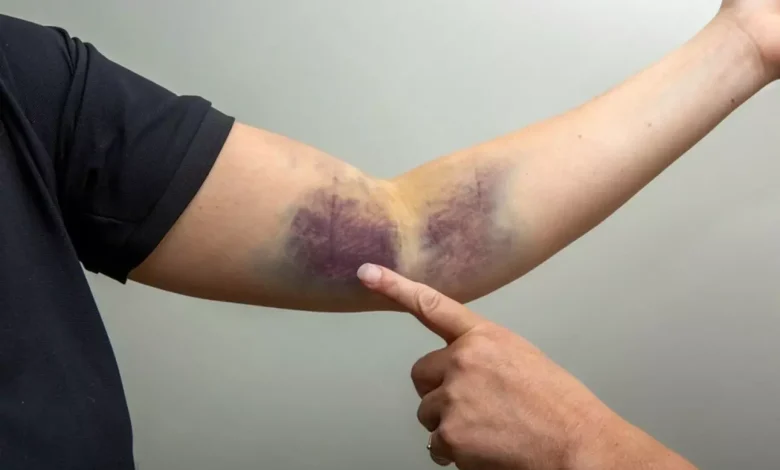
- Bluish or purplish coloration.
- Darker skin appearance.
- Noticeable differences between the two legs.
Color changes are often accompanied by swelling and a feeling of tightness in the affected limb.
Different Types of Abnormal Skin Color
Significant Redness
Localized redness may occur when inflammation develops around the affected vein.
This redness is frequently accompanied by:
- Local warmth.
- Tenderness.
- Progressive swelling.
Bluish Discoloration
A blue or purple color may indicate reduced oxygen delivery to tissues caused by impaired venous circulation.
This situation deserves medical attention, especially when it appears suddenly after travel.
Unusual Paleness
In some cases, marked paleness may indicate an arterial circulation problem rather than a venous one.
Although the mechanisms differ, this symptom also requires prompt evaluation.
Who Is at Greater Risk?
Not all travelers face the same level of risk.
Factors associated with increased risk include:
- Advanced age.
- Obesity.
- Pregnancy.
- Smoking.
- Previous blood clots.
- Certain cancers.
- Clotting disorders.
- Recent surgery.
- Hormonal treatments containing estrogen.
The presence of multiple risk factors can significantly increase the likelihood of clot formation during prolonged travel.
Other Symptoms to Watch For
Skin discoloration is rarely the only warning sign.
Additional symptoms may include:
- Calf pain.
- Swelling in one leg.
- A feeling of heaviness.
- Tenderness.
- Local warmth.
-
With Winter Approaching… 5 Tips for Treating Dry Skin
-
The Best Vitamins for Healthy and Glowing Skin
If the clot travels to the lungs, more serious symptoms may occur:
- Sudden shortness of breath.
- Chest pain.
- Unexplained cough.
- Rapid heartbeat.
- Fainting or collapse.
These symptoms require immediate medical attention.
When Should You Seek Medical Care?
Any unusual skin discoloration after a flight, particularly when affecting only one leg and accompanied by pain or swelling, should prompt consultation with a healthcare professional.
Early diagnosis can:
- Prevent complications.
- Allow timely anticoagulant treatment.
- Reduce the risk of pulmonary embolism.
- Improve long-term outcomes.
How to Reduce the Risk During Travel
Several simple measures can help minimize the risk of thrombosis during long journeys.
Move Regularly
Experts recommend:
- Walking through the cabin whenever possible.
- Performing ankle flexion and extension exercises.
- Stretching the legs regularly.
Stay Hydrated
Adequate hydration helps maintain healthy blood flow.
It is advisable to:
- Drink water regularly.
- Limit alcohol consumption.
- Avoid excessive caffeine intake.
Wear Comfortable Clothing
Tight clothing may interfere with normal blood circulation.
Use Compression Stockings
For high-risk individuals, compression stockings can improve venous return and reduce blood pooling in the legs.
-
Mature skin: Should you clean your face in the morning? A dermatologist responds
-
Hair, skin: 3 unrecognized beauty benefits of lime trees
What Scientific Studies Show
Research indicates that the risk of thrombosis increases after several hours of prolonged immobility, particularly during long-haul flights.
However, the overall risk remains relatively low among healthy individuals.
Studies show that most travelers will never develop a blood clot. Nevertheless, individuals with multiple risk factors should take additional preventive measures.
Experts also stress the importance of recognizing early warning signs to prevent severe complications.
A change in skin color after air travel does not automatically mean that a dangerous blood clot is present. However, when accompanied by pain, swelling, or warmth in one leg, it may serve as an important warning sign.
Deep vein thrombosis is a potentially serious condition, but modern treatments are highly effective when administered promptly. Prevention, movement during travel, proper hydration, and awareness of symptoms can significantly reduce risks and help ensure safer journeys.
-
The Drawbacks of Daily Makeup Use on Women’s Skin
-
“The Anti-Aging Benefits of Collagen for Women’s Skin: How it Helps Resist Wrinkles”