Why Are the Leg Muscles Known as the Body’s Second Heart?
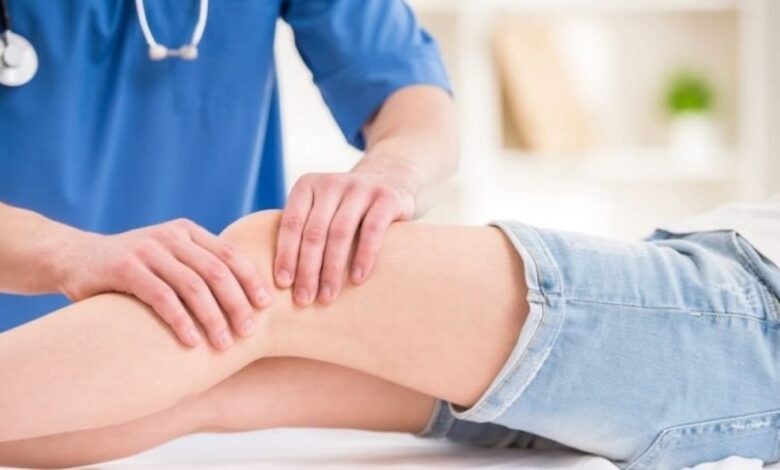
The muscles of the legs, particularly the calf muscles, are sometimes referred to as the body’s “second heart.” This expression does not mean that they actually function like the heart. Rather, it describes their important role in helping return venous blood from the lower limbs back toward the heart.
When a person is standing or sitting, blood has to travel upward from the legs toward the heart despite gravity. This process relies on several mechanisms, including contractions of the leg muscles, valves inside the veins, and the movements associated with breathing.
The essential role of the “muscle pump”
When we walk, climb stairs, or contract our calf muscles, these muscles compress nearby veins. This pressure helps push venous blood upward toward the heart.
Venous valves act like one-way gates. They help prevent blood from flowing backward toward the feet between muscle contractions. With each movement, the combination of muscle contraction and functioning valves therefore facilitates venous return.
This is the main reason the calf muscles are sometimes described as the body’s “second heart.”
Why are the calf muscles particularly important?
The calves are located in an area where venous blood must overcome gravity over a relatively long distance. Repeated contraction during walking acts as a mechanical pump that helps move blood upward toward the heart.
When we remain still for a long time, this muscle pump becomes much less active. Blood may then have a greater tendency to accumulate in the lower limbs, potentially causing heavy legs or swollen ankles in some people.
Walking naturally activates this pump
Walking is one of the simplest ways to activate the leg muscles. Every step involves repeated contraction and relaxation of the muscles, helping support venous blood flow back toward the heart.
Even when someone has to sit for a long time, regularly moving the ankles, raising the heels, or gently contracting the calf muscles can help maintain some muscular activity.
This can be particularly useful during long journeys or prolonged periods of inactivity.
What happens when you sit for a long time?
During prolonged sitting, the leg muscles are relatively inactive. Venous circulation may therefore become less dynamic, particularly in people who already have problems with venous circulation.
For this reason, regularly standing up, walking for a few minutes, and avoiding complete inactivity for long periods are generally recommended.
During long-distance travel, regular leg movements and adequate hydration may also improve circulatory comfort. People with specific risk factors for blood clots may require individualized medical advice.
Leg muscles do much more than support circulation
Their role obviously extends far beyond venous return. Leg muscles are essential for walking, running, maintaining balance, and stabilizing the joints.
As people age, the gradual loss of muscle mass and strength can reduce mobility and increase the risk of falls. Maintaining strong and functional leg muscles is therefore an important component of healthy aging.
Strength training, walking, stair climbing, and endurance activities can all help preserve muscle strength and function.
Can you really “strengthen the second heart”?
The term is mainly a physiological metaphor. The calf muscles cannot replace or perform the functions of the heart. However, regular physical activity helps maintain their ability to contribute effectively to venous return.
Simple exercises such as calf raises, walking, and ankle movements can activate the calf muscles. Exercise intensity should nevertheless be adapted to each person’s physical abilities.
When should you be concerned?
A leg that suddenly becomes swollen, painful, warm, or red, particularly when only one leg is affected, should not automatically be attributed to poor circulation. These symptoms may indicate deep vein thrombosis and require prompt medical evaluation.
Sudden difficulty breathing or chest pain occurring together with leg swelling or pain is a medical emergency.
The bottom line
The term “second heart” primarily refers to the role of the leg muscles in the calf muscle pump. When these muscles contract during walking and other movements, they compress nearby veins and help push blood back toward the heart, while venous valves limit backward flow.
This mechanism helps explain why prolonged inactivity can contribute to heavy legs and certain circulation problems. Regular movement, walking, and maintaining leg-muscle strength are therefore simple habits that support both healthy circulation and overall physical function.