Houthis Plan to Manufacture Iran’s Kheibar Shekan Missiles
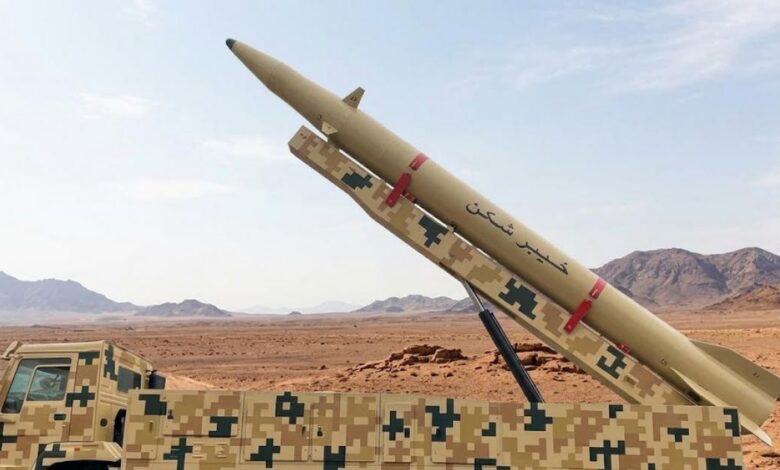
The move signals an effort to expand the group’s manufacturing capabilities and reduce its reliance on imported, fully assembled weapons as its military supply networks across the region face mounting pressure.
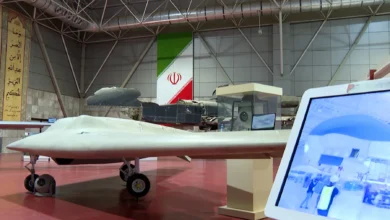
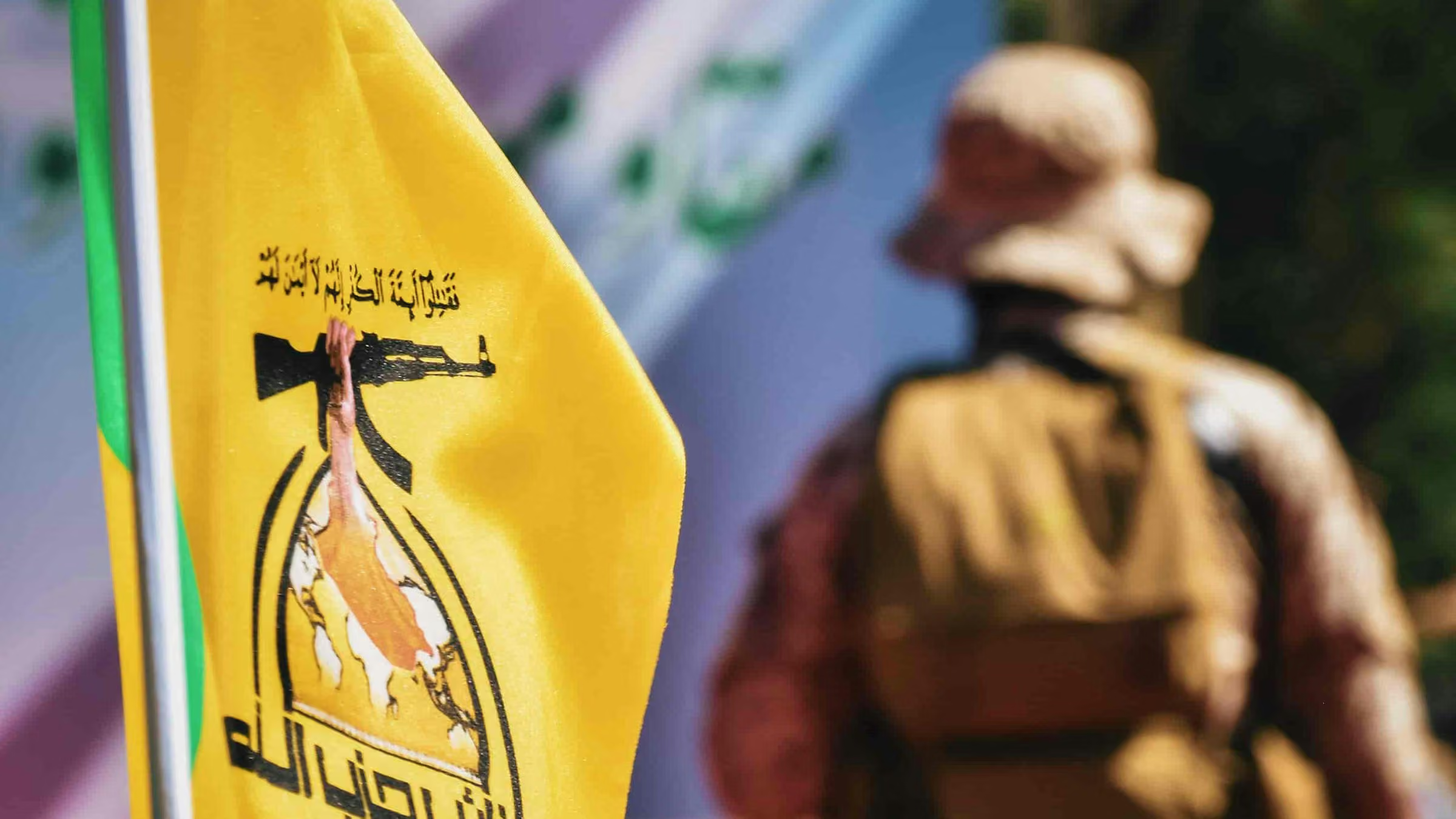
Conflict Armament Research (CAR) revealed on Wednesday that the Iranian-backed Houthis were seeking to produce components for Iranian Kheibar Shekan ballistic missiles inside Yemen. The development points to an effort to expand the group’s manufacturing capabilities and reduce its dependence on imported, fully assembled weapons amid pressure on its regional military supply networks.
The organisation said components found in four shipping containers intercepted by Yemeni authorities matched parts used in Kheibar Shekan missiles, which have a range exceeding 1,000 kilometres. The seized items included missile airframe and motor components, raw materials, industrial machinery and testing equipment.
CAR identified seven components associated with the missile system, including stabilising fin cores, rocket motor aft closures fitted with nozzles, and motor igniters. Shipping documents also indicated that some custom-made metal parts had been produced by a Chinese company specialising in precision metalworking. However, the organisation could not independently verify the manufacturer’s identity or conclusively trace the parts to that company.
The findings suggest that the Houthis may be seeking equipment and components that would allow them to manufacture missile parts locally, with some degree of independence from traditional Iranian supply channels. However, the organisation did not establish how far these capabilities had developed or whether the group could independently produce a complete missile system.
The move comes as networks transporting Iranian weapons to the Houthis face the risk of maritime interception and tighter shipping controls. As American and Western pressure on supply routes through the Red Sea and the Strait of Hormuz intensifies, diversifying component sources and relocating some production stages to Yemen are becoming increasingly important. This does not, however, mean that smuggling has stopped or that external support is no longer needed.
Iranian-Houthi cooperation extends beyond the transfer of fully assembled weapons. Reports by international experts indicate that Tehran has spent years transferring missile manufacturing technology and expertise to allied groups through technical training and the provision of specialised equipment and components. According to research assessments, this assistance includes experts and technicians linked to Iran’s Islamic Revolutionary Guard Corps, who have helped transfer the knowledge needed to assemble weapons and develop certain local production capabilities.
In an analysis published in April 2025, the International Institute for Strategic Studies (IISS) concluded that the Houthis had made progress in producing some short-range missiles and drones. However, they remained dependent on Iran for more complex technologies, particularly guidance systems, motors and advanced components for medium-range ballistic missiles.
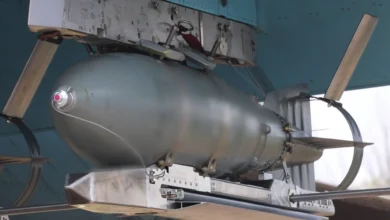
Seizures of shipments illustrate the scale of the challenge facing efforts to curb arms flows. In July 2025, US Central Command (CENTCOM) announced that Yemeni National Resistance forces had intercepted more than 750 tonnes of munitions and equipment that it described as Iranian in origin and destined for the Houthis. The shipment included cruise, anti-ship and anti-aircraft missiles, drone engines, and radar and communications systems.
The US Treasury Department has also imposed sanctions on networks and companies it said helped the Houthis purchase dual-use components from Iran and China and transport them through commercial channels. This suggests that the group’s strategy does not necessarily involve replacing smuggling with domestic manufacturing. Rather, it combines the acquisition of weapons and components from abroad with the expansion of local capabilities, allowing it to continue developing its arsenal despite restrictions on its supply routes.