A Salary for Our Posts: Pro-Houthi Influencers Push Back over Propaganda Payments
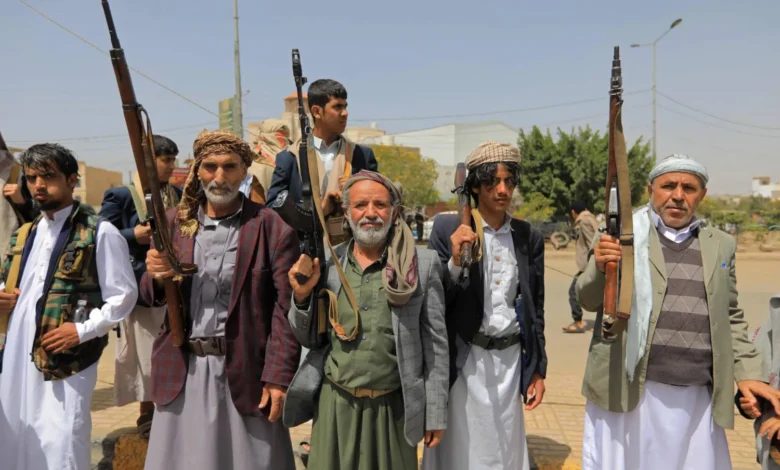
Several social media personalities supportive of Yemen’s Houthi militias have stepped up complaints about declining financial support, demanding fixed monthly payments and benefits to help them continue their media activities.
Their demands have sparked widespread debate about the relationship between the militia and activists who defend its positions on digital platforms. They come amid a recent military escalation and an intensifying offensive against the city of Taiz.
The demands extend beyond better pay to calls for an organisation that would coordinate their work and represent their interests. They have also coincided with complaints about disparities in payments depending on activists’ proximity to militia leaders and their regions of origin.
Funding in Exchange for Loyalty
According to well-informed sources, several social media personalities submitted a protest letter to Houthi leaders, expressing frustration over cuts to their payments while increased funding was allocated to activists who accompanied the offensive against districts on the western coast and in southern Taiz governorate.
The sources said some of these activists accompanied the militia’s advance into their home regions and villages. They handled outreach to residents as part of efforts to normalise conditions in areas stormed by the militia and secure local acceptance in communities deeply opposed to its agenda.
Responding to the objections, Houthi leaders justified the payment disparities by citing the importance of activists’ roles in areas their forces had entered, according to the sources. They pointed to the assignments given to those activists, as well as the group’s financial difficulties.
Criticism has also intensified over the militia’s treatment of supportive media workers and activists, particularly the way their payments are calculated. Several have called for the current pay-per-post system to be replaced with regular monthly payments.
Mohammed Qaten, an activist supportive of the group, urged the Houthi media body in Sanaa and the relevant officials to provide stable funding for social media personalities, or establish an office or union to coordinate their affairs and provide the support they need.
He also called for free internet connections through the telecommunications corporation, citing what he described as benefits enjoyed by some of its employees.
These demands echo complaints from other activists who say they must pay for internet access out of their own pockets despite their constant activity on digital platforms. Their earnings are calculated according to the number of posts they publish, a system they likened to working for daily wages rather than receiving regular support suited to the nature of their activities.
Warnings
Houthi activist Hashem al-Haifi called for free or discounted internet services for social media personalities, arguing that providing these services to a limited number of people working in the field would not impose a significant financial burden.
Another activist warned that ignoring the demands could weaken the group’s media presence against its opponents. Reduced media activity, he argued, could give Yemen’s internationally recognised government greater room to manoeuvre.
In a sharper criticism, Hussein al-Amlahi, a pro-Houthi social media personality, described the group as the “stingiest authority” to govern Sanaa. He demanded funding for media workers, actors and activists so they could devote themselves fully to media work and counter what he described as expanding activity against the group.
He also called for the media apparatus to be placed under someone capable of running it, with an adequate budget to sustain its activities. His remarks amounted to criticism of both the management of the sector and the funding allocated to it.
The demands and criticism highlight disagreements over funding and the management of digital media activities within pro-Houthi circles, as activists seek regular payments and the services needed to maintain their presence on social media platforms.