For Self-Defence: Hezbollah Acknowledges Ownership of Explosives Shipment
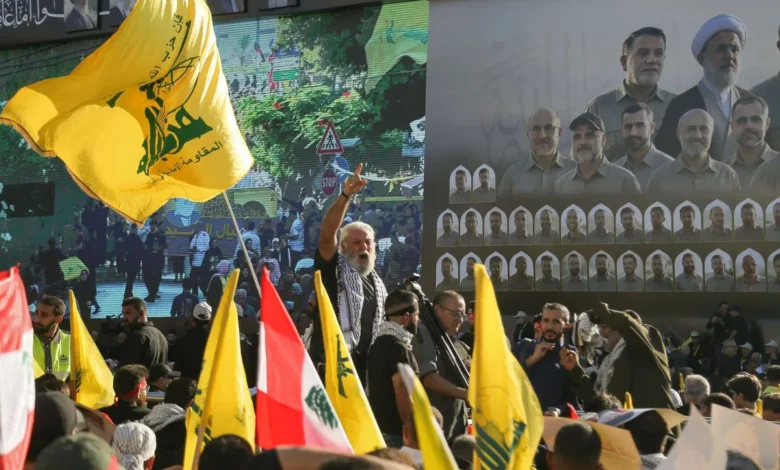
Hassan Fadlallah, a lawmaker representing Lebanon’s Hezbollah, said on Thursday that a vehicle carrying hundreds of kilograms of explosives, intercepted by Lebanese security forces earlier this week, did indeed belong to the Iranian-backed militia.
Fadlallah’s remarks, in which he justified possession of the explosives as a matter of “self-defence”, come as the government presses ahead with efforts to disarm the group following the war with Israel.
-
Israel Threatens to Evacuate Beirut’s Southern Suburbs and Displace One Million Lebanese if Hezbollah Attacks
-
Three Regions, Four Continents and Cocaine: Inside Hezbollah’s Financing Networks in Venezuela
In televised remarks, Fadlallah said Hezbollah had contacted the “security and judicial authorities” after the vehicle was intercepted, informing them that “the vehicle and its cargo belong to the resistance”.
He added that the group had demanded “the immediate release of those detained and the return of the vehicle and its contents”, describing the shipment as “capabilities” Hezbollah uses to defend itself against Israel.
The Lebanese authorities’ seizure this week of a large shipment of explosives bound for Beirut has raised security concerns in the country.
-
Israeli Estimates Reveal Value of Hezbollah’s Military Arsenal Two Years Ago
-
When Weapons Turn Inward: Nabatieh Clash Raises Questions About Discipline Within Hezbollah
The seized explosives weighed 780 kilograms, including 250 kilograms of TNT and 250 kilograms of C-4 plastic explosive, according to Lebanese judicial officials quoted by the Associated Press.
The controversy also comes amid continuing Israeli military operations in southern Lebanon and efforts by the Lebanese government to bring all weapons under exclusive state control. The authorities have issued decisions banning Hezbollah’s military and security activities. The United States designates Hezbollah as a terrorist organisation.
Several days ago, Lebanese security forces arrested the two people transporting the shipment at a checkpoint in the Dahr al-Baidar area as they travelled from the Bekaa Valley to Beirut.
-
Ali al-Taher Hill: A Strategic Site at the Heart of the Israel-Hezbollah Conflict
-
Israeli Assessment: Hezbollah Is Rebuilding Its Capabilities in Preparation for Guerrilla Warfare
The Lebanese authorities opened an investigation, initially handled by the judicial police and subsequently expanded to include army intelligence and the Internal Security Forces’ Information Branch.
On Monday, Lebanese Prime Minister Nawaf Salam stressed the need to identify everyone involved, establish who was behind the shipment, and determine their plans and objectives so that those responsible could be brought to justice.
Following a devastating war between Hezbollah and Israel that lasted more than a year and ended with a ceasefire in November 2024, the Lebanese government approved a plan to disarm the group. The plan stipulated that only legitimate state forces hold weapons and tasked the army with implementing it.
-
Hezbollah and Cryptocurrencies: A Financing Channel Beyond the Radar
-
Hunting Down Hezbollah’s Financial Arteries: How Iranian Funds Enter Lebanon
However, Hezbollah, which refuses to disarm, re-entered the conflict by launching attacks on Israel in early March in retaliation for the assassination of Iran’s supreme leader, Ayatollah Ali Khamenei, plunging Lebanon back into war.
-
Sixth Anniversary of the Beirut Port Explosion: Calls for Accountability and a Weakened Hezbollah
-
Jury convicts Salman Rushdie attacker of supporting Hezbollah and terrorism
-
The Shepherd and the Flock: A New Hezbollah Weapon Raising Israeli Concerns