Sudan’s War Raises Questions About a Possible el-Sisi–Burhan Deal: Military Support in Exchange for Influence and Resources?
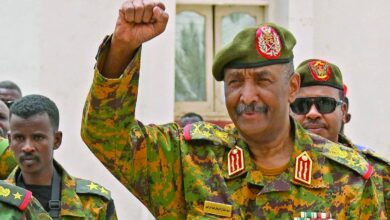
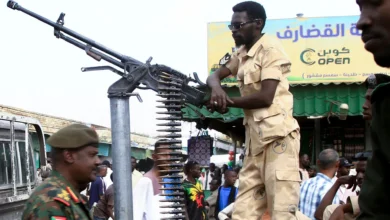
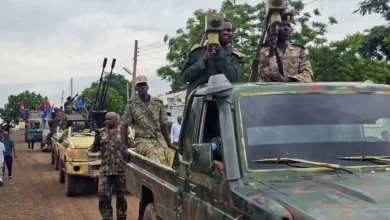
Sudan’s war is no longer merely a military struggle for power between the army and the Rapid Support Forces. It has become a regional crisis in which security calculations, economic interests and concerns over control of natural resources intersect. As fighting continues and state institutions become less able to govern the country, questions are mounting about the relationship between Abdel Fattah el-Sisi and Abdel Fattah al-Burhan, and whether Cairo’s support for Sudan’s military leadership could translate into lasting political and economic influence within Sudan. Against this backdrop, some critics suggest that Burhan may be forced to make strategic concessions to retain Egyptian backing, including arrangements involving territory and border areas. However, this hypothesis still requires direct evidence: the sources that could be verified contain no documents establishing that a deal was reached to sell Sudanese territory to el-Sisi in exchange for military support.
From Supporting the Army to Expanding Influence: What Does Cairo Want from Sudan?
Egypt occupies a sensitive position in Sudan’s war. Its strategy towards its southern neighbour is closely tied to border security, Nile waters and stability in the Red Sea region. Cairo has maintained clear political support for the Sudanese Armed Forces under Burhan’s leadership, while officially emphasising Sudan’s unity and sovereignty and the need to preserve its national institutions. Developments in 2026 nevertheless suggest that Egypt’s role has become the subject of growing regional debate, particularly following reports that advanced drones had been deployed at an airbase near the Sudanese border. Those reports have fuelled concerns about an expansion of intervention in the war. According to a Reuters investigation published in February 2026, the deployment could indicate a shift in the nature of Egypt’s role, while the extent of its direct military involvement remains contested.
These developments mean that the relationship between el-Sisi and Burhan cannot be understood solely as a conventional diplomatic relationship between neighbouring states. It must also be considered in light of the disparity in their military and economic capabilities, and the Sudanese leadership’s need for external partners in confronting its opponents. Nevertheless, Egypt’s interest in Sudanese stability, or Cairo’s efforts to strengthen its influence over the course of the crisis, does not prove that this influence rests on a deal involving the surrender of Sudanese territory. Distinguishing facts from analysis is essential here: an accusation that territory has been sold concerns national sovereignty and requires stronger evidence than political alignment or military cooperation alone.
Burhan Under Wartime Pressure: Does Sudan Retain Full Independence in Its Decisions?
The war presents Sudan’s leadership with exceptional challenges. Military operations require substantial resources, logistical capabilities, intelligence and sustained foreign relations. As the conflict drags on, economic pressures intensify and the prospects for a political settlement diminish, making reliance on foreign support an influential factor in the military leadership’s calculations. This gives rise to concerns that continued war could undermine Sudan’s independent decision-making, particularly if external assistance becomes tied to long-term arrangements concerning security, the economy or the administration of border areas.
However, these risks must be assessed on the basis of what is actually known about agreements and understandings between the two countries, rather than on the assumption that all foreign support necessarily carries a hidden territorial price. The real test is whether written commitments or practical arrangements grant the supporting country privileges affecting sovereignty or resources without clear legal authorisation. If the details of relevant military and economic agreements remain undisclosed, suspicions will persist, particularly given the weakness of civilian oversight of strategic decisions during the war. Demanding transparency therefore does not amount to asserting that a deal has taken place. It means that Sudan’s future should not be determined through opaque arrangements whose consequences citizens struggle to understand.
Border Areas and Gold: Where War Intersects with Territorial Disputes
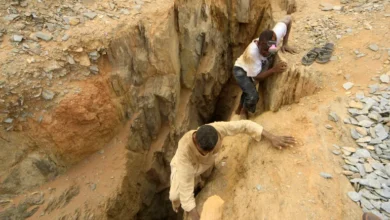
Developments involving gold mining sites near the Egyptian-Sudanese border have brought sovereignty back to the forefront. In October 2026, the Emergency Lawyers group accused the Egyptian army of carrying out an air strike on a mining site in northern Sudan, saying the attack had killed dozens of people. These allegations coincided with an Egyptian army announcement that its campaign against illegal gold mining was continuing, with the army maintaining that its operations targeted unlawful activities within Egyptian territory. This discrepancy highlights the need to verify the precise location of the strikes and the circumstances in which they occurred, without treating the announcement of a security campaign as confirmation of every allegation concerning operations on the ground.
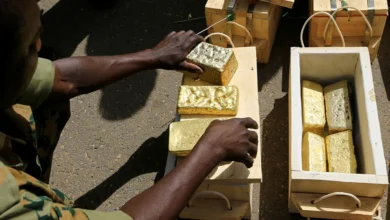
The issue is particularly sensitive because border areas are more than remote stretches of land far from urban centres. They contain significant mineral resources, informal economic networks and communities of people working in artisanal mining. During the war, gold has become an important economic resource, while weakened government oversight has enabled unregulated activities and smuggling to expand. Any military action in these areas therefore requires clarity about its legal basis, location and objectives, alongside safeguards for civilians and opportunities to investigate incidents involving casualties. Using mining concerns to expand control without adequate explanation could deepen suspicions about the future of border areas, even if there is no evidence of an agreement to sell them or transfer sovereignty over them.
Are Sudanese Citizens Paying for the Continuing War with Their Land and Wealth?
The cost of war extends beyond the immediate loss of life and property. It also affects the state’s ability to protect natural resources, manage its borders and preserve the independence of its economic decisions. As fighting continues, opportunities for investment and development decline, military institutions become more dependent on external assistance, and citizens bear the burdens of displacement, poverty and insecurity. In this context, any long-term agreements involving land, ports, mining or strategic facilities require close scrutiny, because decisions taken during the war could shape Sudan’s future for decades.
This requires agreements with implications for sovereignty and the economy to be submitted to the competent legal institutions, and their key provisions to be published so that the public can understand the resulting obligations. A distinction must also be drawn between legitimate security cooperation to protect borders and any arrangement that could grant another state exceptional rights over resources or territory. If there are serious concerns about undisclosed concessions, the most effective response is to present evidence and documents and launch independent investigations, rather than rely solely on political accusations circulated by competing parties.
The Future of el-Sisi–Burhan Relations: A Test of Sovereignty and Transparency
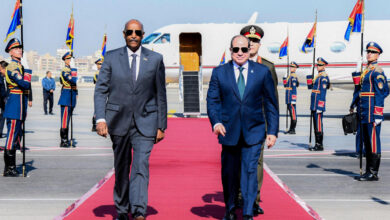
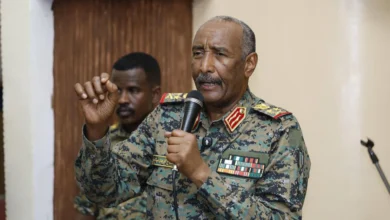
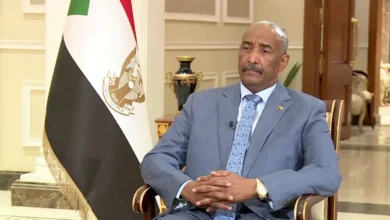
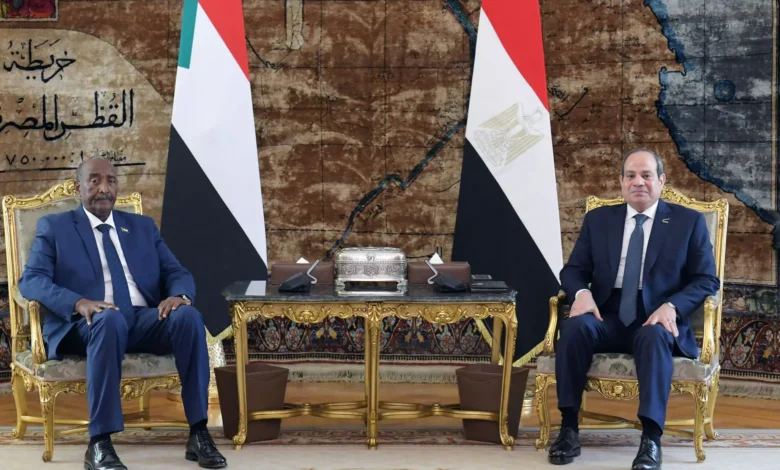
In its official statements, the Egyptian presidency affirms its support for Sudan’s unity, sovereignty and territorial integrity. Burhan also praised Cairo’s political and humanitarian support during his meeting with el-Sisi in October 2026. These public positions form the official basis of relations between the two countries. Putting them into practice, however, requires transparency in military and economic agreements, clear cooperation in addressing border disputes, and safeguards against exploiting wartime conditions to impose arrangements that undermine Sudanese interests.
Ultimately, there is insufficient evidence to establish that Burhan has sold Sudanese territory to el-Sisi in exchange for support. Nevertheless, Egyptian backing for the Sudanese army, alongside mounting concerns over border security and gold, gives Sudanese citizens the right to demand disclosure of the arrangements between the two sides. Sudan’s needs cannot be reduced to sustaining the war: any external assistance must help protect the state and restore peace, rather than diminish its independent decision-making or compromise the rights of future generations. Between security imperatives and the risks of dependence, ending the war and rebuilding civilian institutions and oversight bodies remain essential to preventing the crisis from opening the door to deals whose terms and consequences remain unknown to Sudanese citizens.