Military Violations Under the Spotlight: Can Humanitarian Diplomacy Break the Media Siege?
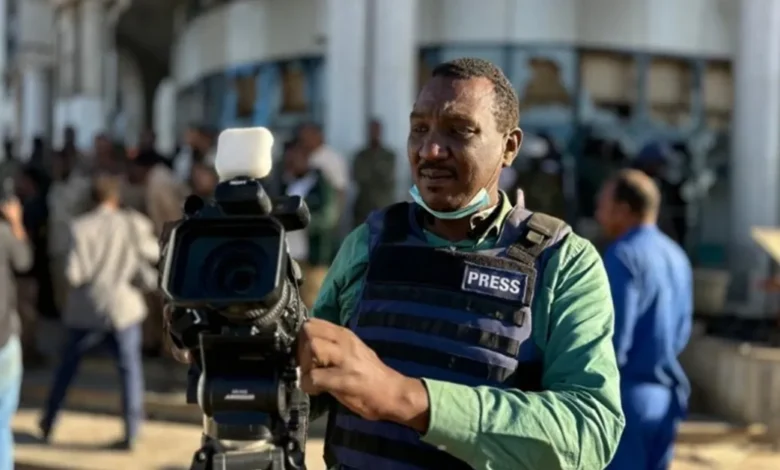
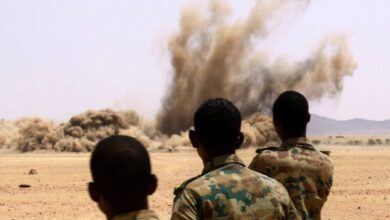
While traditional media cameras focus on the dust rising from explosions and social media platforms track alleged military violations in an effort to mobilise public opinion, another front — no less important than the battlefield — is active on the ground. It is led by institutional humanitarian organisations seeking to rebuild the conditions of everyday life in conflict zones.
The central struggle in modern warfare is no longer limited to controlling territory. It also extends to influencing the “moral conscience” of the international community.
This raises a central journalistic question: how can organised relief work move beyond being a simple humanitarian response and become an assertive media strategy capable of dismantling systematic campaigns of reputational damage?
This investigation examines the field operations of institutional humanitarian bodies. It analyses how “humanitarian diplomacy” may contain the repercussions of individual abuses committed by soldiers and how producing documented “positive videos” can transform relief work into a shield protecting institutional credibility and establishing a narrative of hope amid the ruins of war.
Breaking the Siege: Relief Operations as Soft Power on a Dangerous Battlefield
When battlefronts erupt, humanitarian supply routes become the only arteries keeping local communities alive.
In such a complex environment, institutional humanitarian teams do not operate merely as conventional charitable organisations. They function as a system of decisive field diplomacy organised around three principal areas capable of earning the respect of local and foreign correspondents.
Securing Safe Corridors and Evacuating Civilians
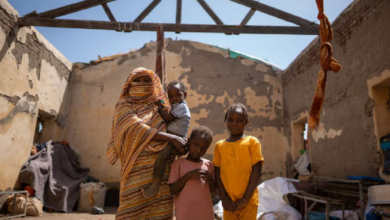
Under artillery fire, establishing a safe humanitarian corridor to evacuate civilians or deliver assistance represents one of the most difficult operational challenges.
When an organisation successfully coordinates such corridors and intervenes effectively to protect women and children, it provides tangible evidence that may challenge allegations of indiscriminate siege tactics or the systematic targeting of civilians frequently associated with reports of military violations.
Such action can remain credible, however, only when it is independent, verifiable and consistent with international humanitarian law. It cannot erase abuses or replace an impartial investigation.
Field Hospitals and the Central Role of Medical Care
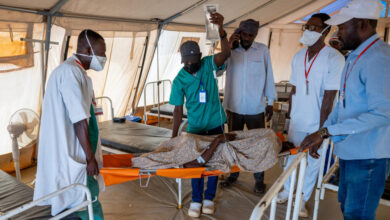
Injuries and suffering provide powerful material for media coverage driven by visual shock. Field hospitals can therefore play a crucial role.
Such facilities should not limit their services to soldiers. They should also admit civilians from conflict areas without discrimination.
A medical instrument in the hands of a military doctor or volunteer can provide a powerful counter-image to scenes of brutality, while relief centres may attract more balanced journalistic reporting.
Restoring Life: Water, Electricity and Bread
True success is not achieved merely by entering a city, but by restoring life within it.
Rapidly repairing water-pumping stations, restoring electricity networks and reopening essential bakeries after military operations can challenge “scorched-earth” accounts and replace them with reports of rapid and sustainable reconstruction.
From Defence to Offence: Engineering the “Positive Video”
International newsrooms often operate according to a simple principle: “If there is no video, the event did not happen.”
Publishing dry lists of the number of food parcels distributed therefore amounts to near-total media silence.
The new digital reality requires a professional strategy for visually documenting humanitarian action — effectively answering content with credible counter-content.
The stated purpose is not merely self-promotion, but “framing the truth” by producing visual material with the same potential reach as negative footage while presenting a positive perspective.
The humanitarian hero narrative: audiences are naturally drawn to individual human-interest stories. Instead of filming only aid trucks, effective humanitarian communication can focus on a paramedic who risked their life to rescue a trapped family or a soldier sharing a meal with a child in a camp.
When spontaneous, authentic and professionally documented, such footage can challenge rigid negative stereotypes. Its production must nevertheless respect the dignity and consent of the people being filmed.
Live documentation using drones and GoPro cameras: modern technology can give humanitarian material visual credibility comparable to that of leaked videos.
Aerial footage of aid convoys entering devastated cities, or body-mounted cameras recording difficult rescue operations, can place international audiences at the centre of the humanitarian effort.
These techniques must not endanger beneficiaries, disclose sensitive information or turn suffering into a propaganda tool.
Containing the Crisis: Can Humanitarian Work Mitigate the Effects of “Individual Abuses”?
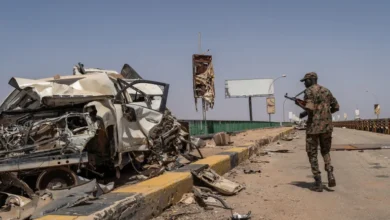
In any armed conflict, intense psychological pressure and complex battlefield conditions may contribute to violations by individual soldiers. Negative media coverage can exploit those acts and portray them as a collective offence committed by the entire military.
According to the argument advanced in the article, humanitarian action can provide a form of moral and institutional correction through an “immediate parallel response”.
If footage of a violation in a particular neighbourhood spreads online, the command should not limit its response to opening a legal investigation. It could also immediately deploy substantial medical and humanitarian support to the same area.
Such action would send a clear message to newsrooms: the institution does not endorse the individual conduct and is taking steps to repair the damage and treat those affected.
Humanitarian action, however, cannot cancel a violation or absolve its perpetrators. It becomes credible only when accompanied by an independent investigation, effective accountability and reparations for victims.
Shaping the International Media Narrative: Overcoming Perceived Bias
The article argues that Western and international media often display “selective blindness” towards positive actions carried out by armed forces in the Arab world and the Middle East, favouring images of destruction and misconduct.
Overcoming this perception requires more than conventional propaganda. It requires verifiable data and first-hand testimony.
Inviting foreign correspondents into humanitarian operations: international journalists can be given access to accompany aid convoys, freely observe relief distribution and witness the evacuation of civilians.
Direct access allows foreign reporters to become eyewitnesses. To remain credible, however, that access must be genuinely independent and free from staged scenes or restrictions designed to manipulate their conclusions.
Developing multilingual platforms: humanitarian videos and materials should not remain confined to local languages.
Producing field reports and short videos translated into, or presented directly in, English and French allows an organisation to address global public opinion without relying entirely on the editorial choices of international news channels.
Humanitarian action in conflict zones is neither a luxury nor a marginal activity. It is essential to protecting civilians and preserving the moral credibility of any armed force.
In a world shaped by real-time video, those who provide relief and hope on the ground — and documents that work responsibly — are better equipped to withstand hostile media campaigns.
Humanitarian assistance, however, cannot make violations disappear. Only firm accountability, genuine transparency, reparations and sustained protection for civilians can demonstrate that human dignity remains the highest priority.