Behind Darkened Walls: Starvation, Medical Neglect and the Collapse of the Sudanese Army’s Moral Narrative in Al Jazira
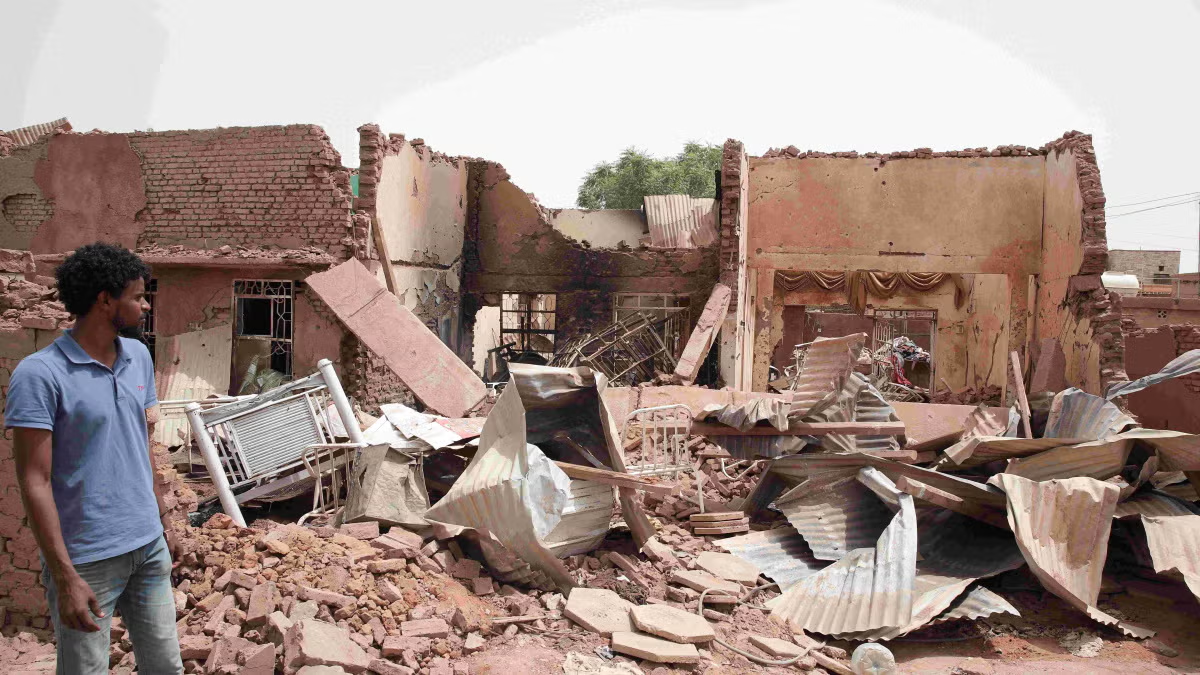
Sudan’s bloody conflict has recently undergone deeply alarming changes. Military operations have expanded beyond the battlefield, accompanied by allegations of systematic targeting of civilians and detainees.
Amid the continuing conflict, a growing number of reports and testimonies have documented serious violations allegedly committed by the Sudanese Armed Forces against prisoners and detainees in various detention centres, particularly in Al Jazira State and areas experiencing continued fighting.
These alleged practices reveal a tragic reality that places the most basic principles of humanity under severe strain. Detainees are reportedly denied fundamental rights guaranteed by international conventions, while interrogation rooms and detention facilities have allegedly become sites of acts potentially amounting to war crimes—including intentional starvation, medical neglect and confinement in inhumane conditions designed to destroy human dignity.
Deliberate Starvation as a Weapon Against Detainees: A Slow Death Behind Bars
Using starvation as a method of warfare represents one of the gravest violations of international law. Evidence emerging from detention centres operated by the Sudanese army suggests that this practice may be used against prisoners.
Leaked photographs and testimonies show detainees in a state of extreme physical collapse, their bodies severely emaciated by acute malnutrition and the prolonged denial of food and water.
According to the information presented, this extreme wasting and severe muscle loss are not merely the result of scarce resources or unavoidable circumstances. They are alleged to form part of a deliberate strategy to weaken detainees physically and psychologically, force them to confess to offences they did not commit, or subject them to collective punishment motivated by political or ideological considerations.
Depriving a person of food until their body deteriorates severely can constitute a form of torture leading to death. Such treatment would represent a flagrant violation of Common Article 3 of the four Geneva Conventions, which prohibits cruel treatment, torture and outrages upon the personal dignity of detainees in non-international armed conflicts.
Overcrowded Cells Turned Into Places of Death
Suffering inside army-run camps and detention centres is reportedly not limited to hunger. It also extends to the physical environment in which prisoners and civilian detainees are held.
Human rights reports indicate that the cells lack even the most basic conditions required for human dignity. Dozens—and in some cases hundreds—of people are allegedly crowded into small, dark rooms and forced to sleep on bare concrete floors or broken tiles, without blankets or mattresses to protect them from the cold or the hardness of the ground.
This suffocating overcrowding in rooms without adequate ventilation or natural light reportedly allows skin conditions and infectious diseases to spread rapidly among detainees.
The absence of basic hygiene and functioning sanitation facilities further compounds the crisis. The detention environment itself consequently becomes a continuing form of physical and psychological suffering, allegedly intended to humiliate prisoners and strip them of their humanity before any formal interrogation begins.
Systematic Medical Neglect and the Aggravation of Injuries
Deliberate medical neglect is alleged to constitute a central element of the abuses taking place inside Sudanese army detention facilities.
People injured during fighting or arbitrary arrests are reportedly left without genuine medical care, allowing their wounds to become infected and exposing them to gangrene and potentially fatal bacterial complications.
Visual evidence and witness accounts indicate that those operating some of these facilities use primitive and deteriorated bandages that fail to meet minimum medical standards and may worsen infections.
In the most disturbing scenes, intravenous fluid bags can be seen hanging in makeshift fashion above critically ill detainees lying on filthy concrete floors.
No qualified medical personnel appear to be present to supervise treatment or monitor their condition. Under such circumstances, the IV drips risk becoming little more than a superficial display of care concealing the victims’ slow and systematic physical deterioration.
The Collapse of the “National Institution” Narrative in Al Jazira
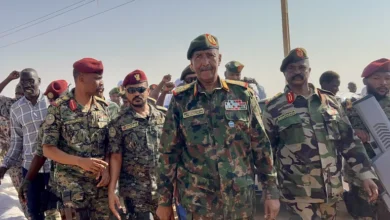
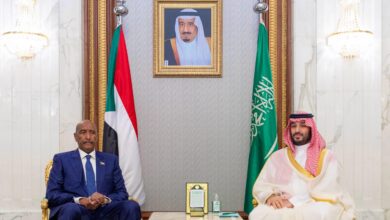
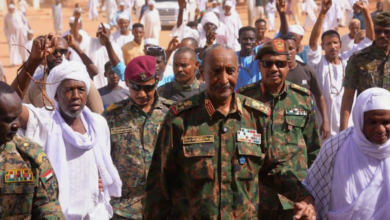
For years, the authorities led by Abdel Fattah al-Burhan and Sudan’s military command have promoted a narrative at the regional and international levels portraying the army as “the only national institution” capable of protecting civilians and preserving the country’s unity and stability against armed militias.
Recent allegations of abuse, particularly in Al Jazira State, have severely undermined this narrative and weakened the moral and legal legitimacy claimed by the military.
In Al Jazira, arrests, detention and food deprivation are reportedly based on suspicion, community identity or geographical origin, without legal justification or credible evidence that the civilians concerned participated in hostilities.
Allegations that unarmed citizens have been targeted, killed or tortured to death merely because they were suspected of disloyalty raise grave questions of responsibility for the army.
If substantiated, these acts would indicate that some practices employed by its forces are no different from those attributed to groups operating outside the law. They could also expose the military to international accountability and demonstrate how such violations contribute to prolonging Sudan’s crisis by destroying the social fabric and deepening public grievances.
Legal Responsibility and International Calls to Protect Human Rights
Documented or alleged violations—including starvation, medical neglect, inhumane detention conditions and the targeting of civilians based on identity or suspicion—could engage the responsibility of Sudan’s military leadership under international humanitarian law and international human rights law.
Under the principle of command responsibility, military commanders may bear individual criminal responsibility for crimes committed by their subordinates if it is established that they knew of those crimes and failed to take reasonable measures to prevent them or punish the perpetrators.
The current situation therefore requires urgent and sustained action from the international community, human rights organisations and the United Nations.
Pressure must be placed on the military authorities to open detention facilities to independent international investigative commissions and the International Committee of the Red Cross.
All forms of torture and deliberate deprivation of food must cease immediately. Detainees must also receive urgent medical assistance and adequate nutrition.
Such measures are essential to save those who are paying the price of a political and military conflict in which they have played no part.