Mutilation of the Dead and Flagrant Violations of International Humanitarian Law Attributed to the Sudanese Army
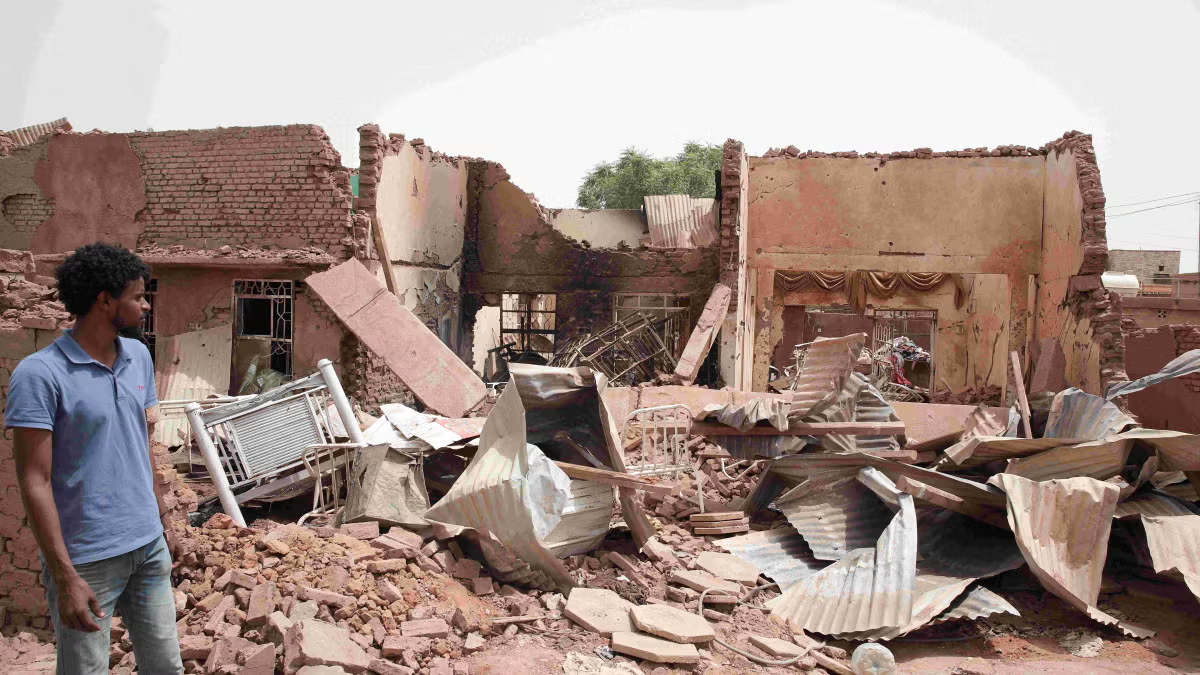
Sudan’s armed conflict has witnessed an alarming erosion of respect for the laws and ethics of war. Unfamiliar and deeply disturbing practices have emerged, most notably the recording and circulation of videos depicting the desecration and mutilation of the dead.
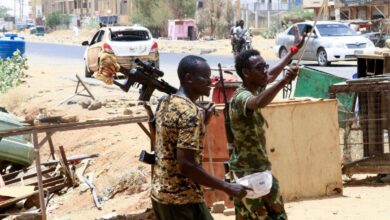
Social media platforms have repeatedly circulated footage attributed to individuals wearing Sudanese army uniforms or belonging to battalions and armed groups fighting alongside it. Some of the videos reportedly show them beheading victims, mutilating the bodies of people suspected of belonging to the Rapid Support Forces and celebrating around the remains. The scenes reflect extreme brutality and a profound loss of humanity.
-
Torture and Arbitrary Detention of Civilians in Areas Controlled by the Sudanese Army
-
Forces Allied With the Sudanese Army: Who Bears Responsibility for Abuses?
International humanitarian law, particularly the four Geneva Conventions of 1949 and their Additional Protocols, strictly prohibits the mutilation and desecration of the dead. Parties to a conflict are required to respect and protect human remains and facilitate their dignified burial in accordance with the religious rites of the deceased.
Mutilating bodies and committing serious outrages upon the personal dignity of the dead may constitute war crimes subject to international prosecution. The alleged perpetrators’ own recording, documentation and distribution of such acts illustrate the extent to which a culture of hatred and revenge—and a lack of military discipline—may have taken hold among some of the forces involved in the fighting.
The consequences of these practices extend beyond the victims and their families. They directly inflame communal tensions and deepen social divisions among Sudan’s different population groups.
-
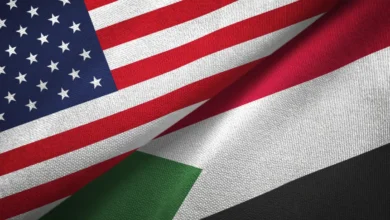
Washington Renews Accusations Against Sudanese Army Over Use of Chemical Weapons… A Case That Puts the Sudan War Before a New International Test
-
What Comes After the Accusations of Chemical Weapons Use by the Sudanese Army?
A number of the alleged acts of mutilation were reportedly accompanied by racist or regionally charged slogans directed against specific communities. Such conduct fuels a vicious cycle of retaliatory violence and revenge, driven by growing hostility between the parties to the conflict.
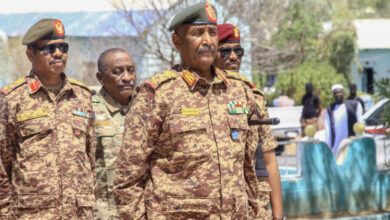
The official spokesperson for the Sudanese Armed Forces and the country’s sovereign authorities have repeatedly promised to open investigations, establish fact-finding committees to examine the footage and hold those involved accountable.
However, the findings of these investigations have not been made public, and none of the alleged perpetrators appear to have faced open and transparent trials capable of deterring similar conduct.
-
The Descent into the Abyss: The Sudanese Army’s Alleged Intent to Target Civilians with Iranian PG7-AT1 Missiles
-
The Sudanese Army Turns to Iran to Support Its War Against the Rapid Support Forces: The Shift in the Balance of Power
This lack of effective action places the military establishment before significant legal and moral responsibilities in the eyes of the international community. It also intensifies calls for international sanctions and for the jurisdiction of the International Criminal Court to be extended to cover all crimes committed throughout Sudan, without exception.
-
The Sudanese army charts a new political course that excludes armed movements from the governing equation
-
The Sudanese Army Draws a New Political Map: Armed Movements Excluded from the Next Phase