Gaza on the Anniversary of October 7: Striking Images Show Cities Transformed by Rubble
On the third anniversary of the outbreak of a war that lasted two years, satellite images reveal the immense scale of destruction across the Gaza Strip, where rubble and displacement camps now extend over vast areas.
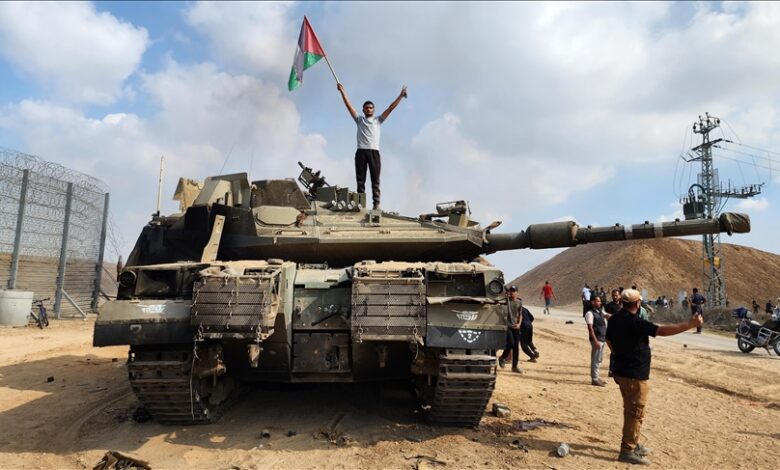
The war in Gaza began after Hamas launched a surprise attack on communities in southern Israel on October 7, 2023. Approximately 1,200 people were killed and another 251 taken hostage before being released through agreements reached during the conflict.
-
Israeli Military Kills Hamas and Islamic Jihad Field Commanders in Gaza
-
New Israeli Inquiry Reveals Previously Unknown Vulnerability in October 7 Attack
Israel’s ensuing war, meanwhile, killed more than 74,000 Palestinians, according to figures issued by Gaza’s Health Ministry. Entire neighbourhoods were levelled, and most of the territory’s population was displaced.
The latest images available through Google Maps were captured in June this year. They show that homes, commercial buildings, places of worship and infrastructure continued to be destroyed following the introduction of a fragile ceasefire nearly twelve months earlier.
The images also reveal tent camps stretching across large sections of the coastline. In some areas, only a few metres separate the shelters from the sea.
Gaza’s main port, once a hub of activity, appears severely damaged and entirely devoid of fishing boats. Rudimentary temporary shelters now surround the harbour.
In Gaza City, virtually every available open space is crowded with shacks, tents and makeshift homes.
-
One of them was Sinwar’s bodyguard… Israel announces the deaths of two Hamas elite members
-
The Religious Instrumentalization of Political Violence: The Muslim Brotherhood’s Reading of the October 7 Event in Ali Qaredaxi’s Discourse
Destruction From North to South
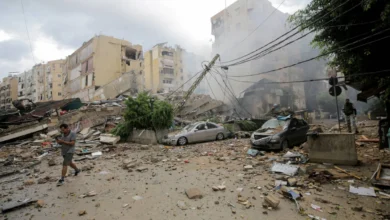
In the northern Gaza Strip, the images reveal extensive destruction in towns including Beit Lahia and Beit Hanoun, as well as damage to places of worship.
Major districts of Gaza City, including Jabalia and Shujaiya, which were repeatedly targeted in Israeli attacks, now appear uninhabitable.
In the south, vast expanses are covered with rubble. Israeli forces appear to have cleared virtually everything from a wide strip of land along the border with Egypt.
Rafah also appears to have been almost entirely reduced to ruins, while the neighbourhood of Tel al-Sultan has been levelled.
-
A secret channel between Netanyahu and Hamas… accidentally discovered by the security establishment
-
Strikes on Gaza: Israel Says It Targeted Two Hamas Leaders
According to the United Nations Relief and Works Agency for Palestine Refugees (UNRWA), more than 2.1 million displaced people in Gaza are living in tents and temporary shelters.
UN estimates indicate that approximately 82 per cent of the territory’s structures—nearly 200,000 buildings—have been damaged. Two-thirds of them have reportedly been destroyed.
A recent UN assessment also found that the number of destroyed buildings in Gaza had risen by around 9 per cent since the ceasefire was announced in October 2025.
-
Hamas returns to elections after 20 years, while Fatah faces the challenges of division
-
Senior UN Official Condemns Hamas’ Obstruction of Humanitarian Aid Operations in Gaza
Sixty-One Million Tonnes of Rubble
The United Nations estimates that the war has generated approximately 61 million tonnes of rubble. According to the United Nations Development Programme (UNDP), this enormous quantity is roughly twenty times the combined amount produced by all wars around the world over the previous eighteen years.
“The total volume of rubble in Gaza is estimated at 61 million tonnes. That is approximately twenty times the amount of rubble generated by all wars worldwide over the past eighteen years,” Jaco Cilliers, the UNDP’s special representative in Palestine, told The Guardian last month.
The challenge extends beyond clearing the debris. Bodies are still believed to be buried beneath the ruins, making their recovery one of the most urgent humanitarian issues facing the Gaza Strip.
-
Let Me Sleep… Netanyahu Blames Security Officials for October 7
-
October 7 Investigation: Netanyahu Government Seeks to Delay Decision Until After Elections
-
Brain Drain Hits the Pillars of Israel’s Economy Since the October 7 Attacks