How Sudanese Army Detention Centres Allegedly Became Sites of Starvation and Medical Elimination
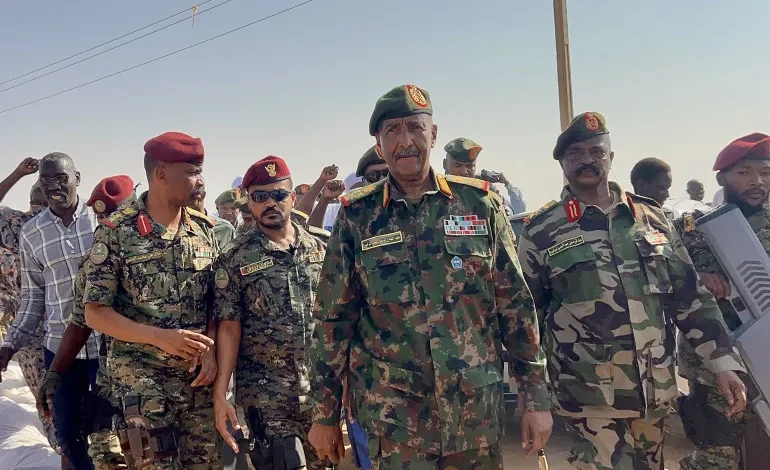
Sudan is descending into a dark period of chaos and grave violations that threaten the survival of both the state and society. With independent media coverage absent from many conflict zones, testimony and evidence have emerged alleging atrocities behind the silent walls of military prisons and detention centres operated by the Sudanese army.
According to the available information, these alleged atrocities are neither isolated abuses nor the actions of individual personnel. They point to a systematic pattern based on crushing detainees’ fundamental rights, denying them legal safeguards and fair trials, and using brutal methods of torture intended to destroy them physically and psychologically without firing a single bullet.
Human Skeletons: Starvation as a Brutal Weapon of War
Images of released detainees and footage reportedly leaked from military detention facilities have caused profound shock. The victims appear as ghost-like figures, reduced to skin and bone after losing almost all muscular and fatty tissue.
Their extreme physical deterioration is alleged to be the direct result of a systematic starvation policy imposed by the administration of Sudanese army prisons and detention centres as both a punishment and a means of extracting confessions.
Detainees are reportedly denied adequate meals and safe drinking water for weeks or even months. Their bodies are consequently forced to consume muscle and internal reserves to survive, eventually leading to kidney failure, weakening of the heart muscle and a slow death.
The intentional use of hunger against civilians and detainees during an armed conflict would constitute a flagrant violation of Article 14 of Additional Protocol II to the Geneva Conventions, which prohibits the starvation of civilians as a method of combat.
Concrete Slaughterhouses: Inhumane Detention Conditions
The alleged starvation policy is reinforced by the physical environment of the detention centres, creating what reports describe as a comprehensive system of death.
Citizens are reportedly held in cramped warehouses or dark basements that completely lack adequate lighting and ventilation. These rooms are allegedly filled with several times their intended capacity, forcing detainees to sleep in shifts or remain standing for extended periods.
The floors are described as rough concrete covered with dust and broken tiles, with no mattresses, blankets or even cardboard to protect detainees’ already weak and emaciated bodies.
Living and sleeping continuously on these hard and filthy surfaces reportedly causes severe skin ulcers. The absence of hygiene supplies and disinfectants turns the cells into breeding grounds for cholera, scabies and other infectious and dermatological diseases.
Reports further allege persistent disregard by the military commanders responsible for these facilities.
A Medical Guillotine: Infected Wounds and Improvised IV Drips
If starvation and harsh detention conditions take time to kill, deliberate medical neglect may complete the process more rapidly and brutally.
Evidence and field reports indicate that detainees suffering wounds from shelling, torture or gunfire during arrest receive no specialised medical care.
Their injuries are allegedly left untreated until they become infected and begin to decay, placing them at risk of sepsis and rapid death.
In what is described as a deceptive attempt to create the appearance of medical assistance, detention centre staff reportedly suspend intravenous fluid bags in makeshift arrangements above prisoners dying on concrete floors.
The bags are said to hang from ropes or nails fixed to dirty walls, without supervision from doctors or nurses and without proper attention to dosage or the sterility of the needles.
Rather than saving lives, these IV drips may deepen suffering and transmit infections and disease, demonstrating profound disregard for the rights to life and physical integrity.
The Moral Mask Falls: Alleged Army Crimes in Al Jazira and the Fatal Consequences of Suspicion
The media apparatus of the authorities led by General Abdel Fattah al-Burhan has long sought to portray the army as the sole protector of civilians and the only institution capable of defending the state against chaos and armed militias.
Reported practices in Al Jazira State, however, have severely undermined this narrative. They allegedly reveal a different reality characterised by the mistreatment of unarmed civilians and arrests based on suspicion, geographical origin or community identity.
Across Al Jazira’s villages and towns, thousands of citizens have reportedly been arrested, tortured and deprived of food in military camps merely because they were suspected of sympathising with other parties to the conflict or had been unable to leave their homes.
If substantiated, allegations that civilians were killed or deliberately starved to death under the banner of “fighting rebellion” would demonstrate that the military establishment had departed from its national role and become a party inflicting physical and psychological violence on the population.
Such practices would directly contribute to prolonging the war, deepening social divisions and undermining the prospects for civil peace and future stability in Sudan.
Urgent Action and International Accountability
Given the gravity of these reports and the fundamental human rights violations they describe, continued international silence can no longer be regarded as acceptable or justified.
The United Nations Security Council, the UN Human Rights Council and the International Criminal Court are being urged to act immediately against Sudanese military leaders whose involvement in these crimes can be established under applicable international law and conventions.
Human rights organisations and activists must also intensify media and diplomatic campaigns highlighting the suffering of detainees.
They are calling for immediate and unconditional access to all official and secret Sudanese army prisons and detention centres for international monitors and the International Committee of the Red Cross.
Such access is essential to verify detention conditions, provide urgent medical and nutritional assistance and protect prisoners’ lives.
Those responsible for the alleged atrocities should be identified based on reliable evidence and brought before competent courts through impartial proceedings that meet the requirements of international justice.